World Word: Imagining the Lost, Narrating the Silent
21 November - 22 December 2026
Main gallery, ara contemporary, Jakarta, Indonesia
Suliswanto Urubingwaru — known simply as Urubingwaru, though I call him Sulis — was my student in the Fine Arts Department at the Faculty of Visual Arts, ISI (Indonesian Institute of Arts) Yogyakarta. Sulis is an artist, researcher, and writer whose practice weaves visual art and literature into narrative. Working across drawing, painting, installation, and interactive installation, he utilises fiction and interprets it to examine history, myth, and identity.
Sulis recently completed the Fine Arts Program at the Faculty of Visual Arts, ISI Yogyakarta. His solo exhibition, titled “As I Lay with My Head in Your Lap, Camerado,” was held at ch+ch in Seoul, South Korea (2026). He has participated in numerous group exhibitions, including ARTJOG: Amalan (2025), where he received the Young Artist Award; “Pulse” at Haridas Contemporary, Singapore (2024); “Fugitive Shadows” at Ace House Collective, Yogyakarta, Indonesia (2024); “Lost in Whimsy Wisdom: Interplay of Realities” at ISA Art Gallery x Omah Budoyo, Yogyakarta, Indonesia (2024); and “Like a Crowd of Extras” at Seven Sisters Gallery, Houston, USA (2024).
I have long been preoccupied with how a story comes into being, lodges itself in memory, and acquires new meaning as it passes through another consciousness. Perhaps this is the condition of human existence itself: inextricably bound to narrative. We reconstruct the past through memory, interpret the present through the weight of experience, and orient ourselves toward the future through hope and its fixed uncertainties. No event stands alone; each is held within a dense web of memory, emotion, loss, and longing. Through these entanglements, we come to know ourselves and, in turn, the world.
It is from this vantage point that I approach Sulis's practice. His investment in stories is not, at its core, a question of delivery, but of something more fundamental: how human beings construct meaning from their own lives. Through a sustained narrative inquiry that bridges the visual arts and literature, Sulis moves continuously across fiction, history, myth, and identity. In his hands, a story is never merely a vehicle for representation; it is a mode of exploration, a means of prising open experience to release the meanings buried within.
At the center of this exhibition at ara contemporary lies a question that I take to be the animating force of Sulis's practice: how does one's personal experience evolve into a private mythology? His relationship with storytelling begins early, with the tales his father would tell him at night. Sulis's relationship with the spoken word deepened through his adolescence through studying wayang kulit (shadow puppetry). This encounter brought him into contact with a new cast of characters — among them animal figures of stylized, deliberately deformed form — whose strangeness opened onto other ways of seeing. Reading and history further developed his intrigue in stories, though it is not history as an official, sanctioned record that piques his interest most. Sulis is drawn to what lies beneath or beside that record: what he calls “silent histories,” accounts erased, displaced, or suppressed under the pressures of politics, religion, or the sheer precarity of survival.
This orientation toward the silenced and the lost has led him, gradually, into melancholy. In Freud's account, melancholy arises from the loss of a person or object of deep significance. This loss need not be concrete; it can attach itself to abstractions as well: a homeland, freedom, an aspiration, or an ideology. For Sulis, this grief is inseparable from the fading of local traditions, as inherited values slowly erode from the very communities that once carried them. At the same time, he feels a constant restlessness at the deliberate eradication of historical events in Indonesia and beyond, a violence perpetrated in the name of political interest.
This restlessness is evident in the human figures moving through his paintings, always solitary, contemplative, and suspended in inquiry. They are, in a sense, a reflection of the artist himself, an individual who refuses to take the dominant narrative at face value. For Sulis, no narrative is neutral; each is a construction, shaped and disseminated in ways that may serve power rather than truth.
Against these figures stand others drawn from myth: embodiments of the Other (Sang Liyan). Through them, Sulis attempts to reestablish the presence of those cast to the margins of the prevailing story, opening a space where forgotten voices, memories, and experiences might once again assert their existence.
As his imagination materializes on the canvas, another question arises: what allows one's personal experience to reach into the lives of others? To me, the most intimate encounters carry within them themes that exceed the individual, such as love, death, loss, fear, betrayal, and hope. We may not have lived through the same events, yet we can identify the emotions that resonate with our own. At this threshold, a story begins to exceed its maker.
I am reminded of mythological traditions and folklore from across the world — from Greek mythology to Javanese folklore. Both are evidence of the same impulse: the human need to comprehend experiences that reason alone cannot explain. Mythology is not merely an artifact of the past; it is a living instrument through which we approach our fears, our losses, and all the many ways life can take us.
In Sulis's practice, fiction is neither a rejection of the real nor an escape from it; it is, rather, a way to approach reality indirectly, to see it differently. Experience is processed, morphed, integrated into imagination, and from this approach, a new interpretation emerges. The result is something he calls a “personal mythology,” not merely an autobiography. It refers to a transformation in which memory is curated, events are reread, and emotion takes new form through works.
Something shifts when this personal mythology enters the public realm. The work begins to detach from its creator as it encounters the memories and selfhood of those who encounter it. In this way, a viewer need not possess the work's full context to find resonance; the work's intention can already be found at this stage.
The universality of art, in this sense, has nothing to do with similarity in experience. It lies in its capacity to find a common ground amongst differences. The singularity of one's experience generates the conditions for encounter, creating space for mutual recognition rather than separation.
Sulis's attachment to storytelling is rooted in memories of his father, who would recount tales to him in childhood. Stories are not only entertainment; they also become a medium for closeness, warmth, and belonging that helps a relationship thrive. Therefore, stories are not supplements to experience, but they become essential to how one comes to inhabit the world.
In Suliswanto Urubingwaru's practice, art presents itself as a ground where the self and the world meet, where the singular opens onto the collective. The intimate becomes a site of conversation; the particular leads towards a question larger than itself. If stories have any ultimate power, it may lie not in the answers they offer but in what they ask of us: to remain open to the lives of others and to discover, beneath the apparent singularity of our experiences, the possibility of a connection.
Yogyakarta, October 2026
Bambang 'Toko' Witjaksono
Artists
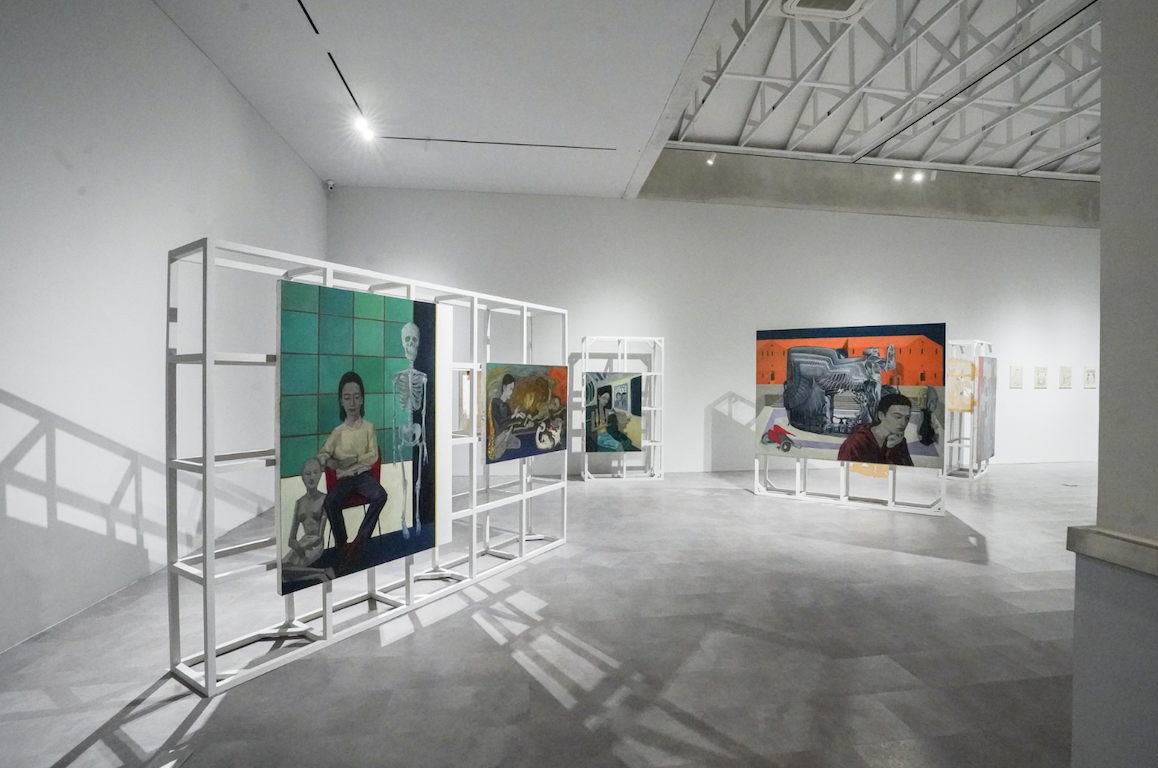
Exhibition View
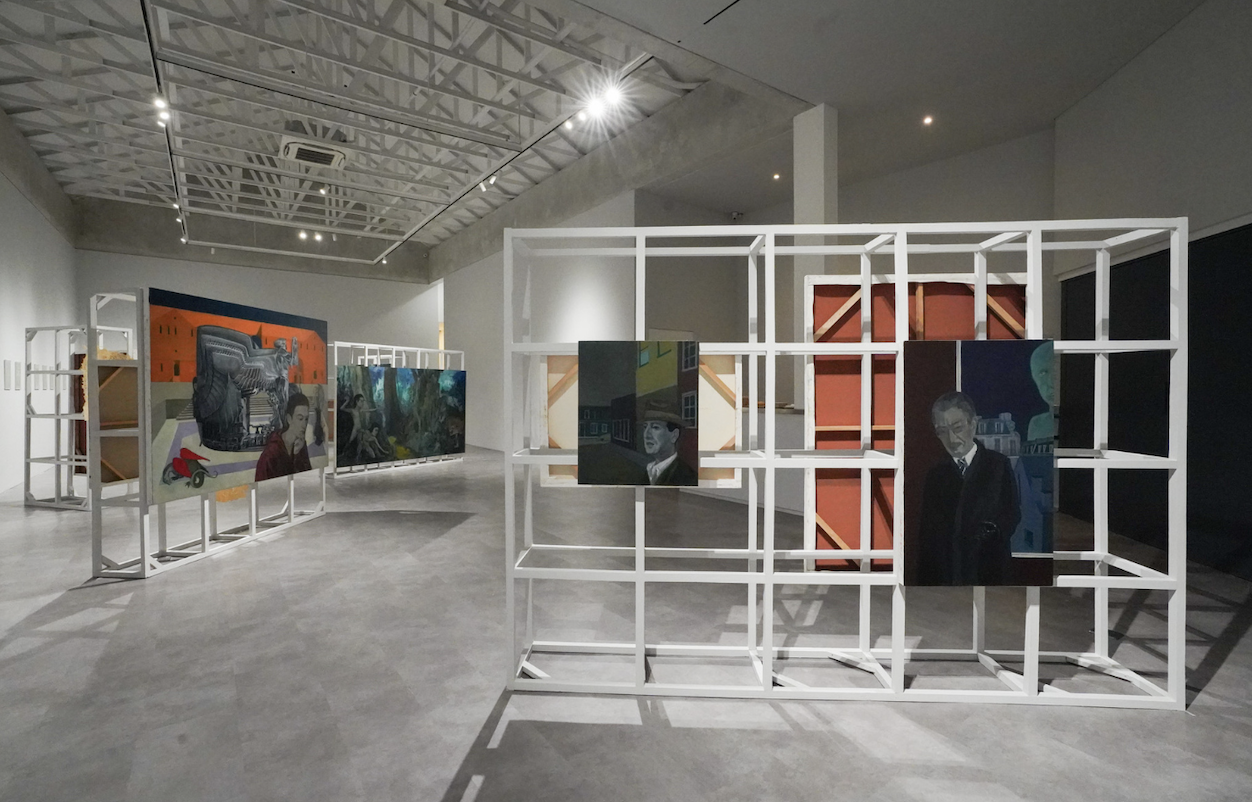
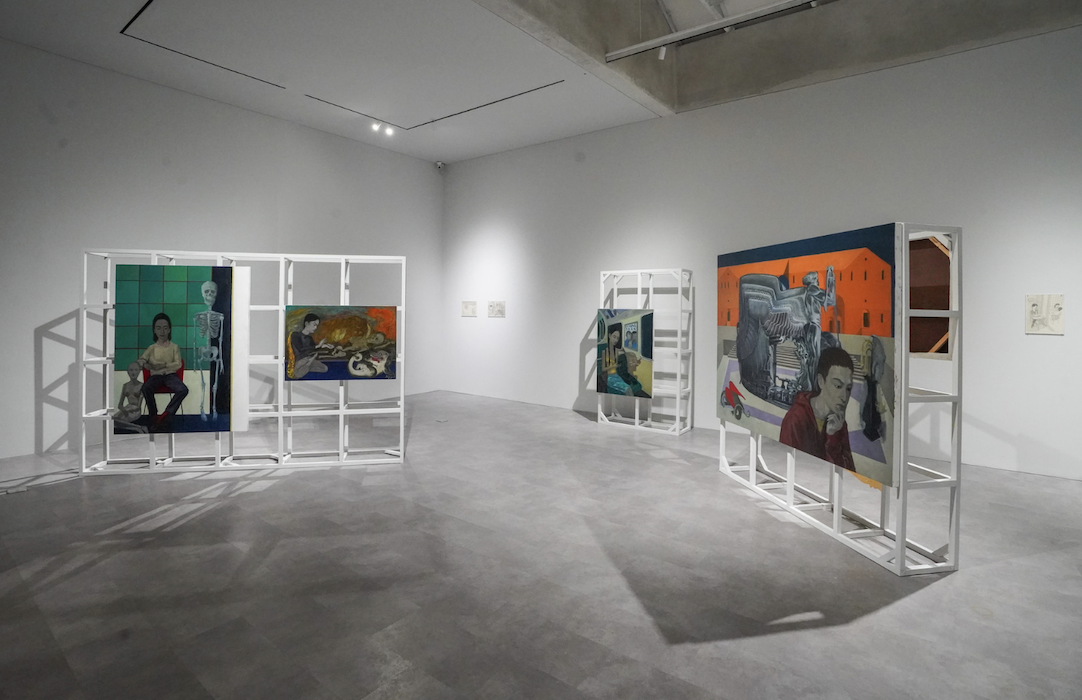
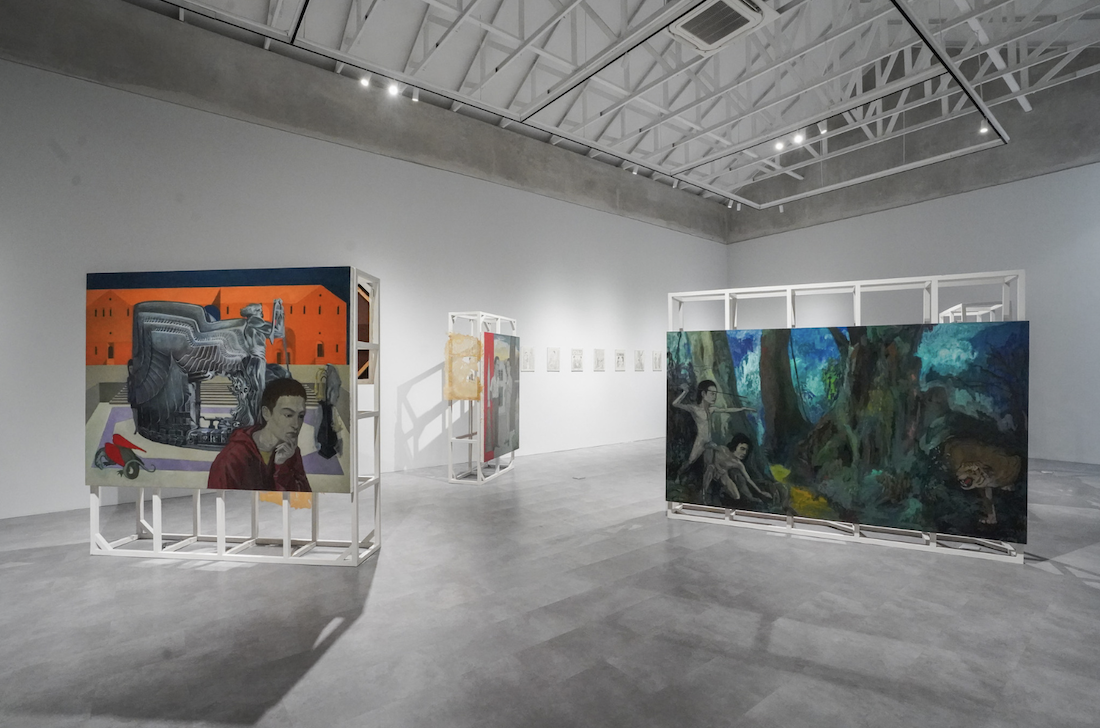
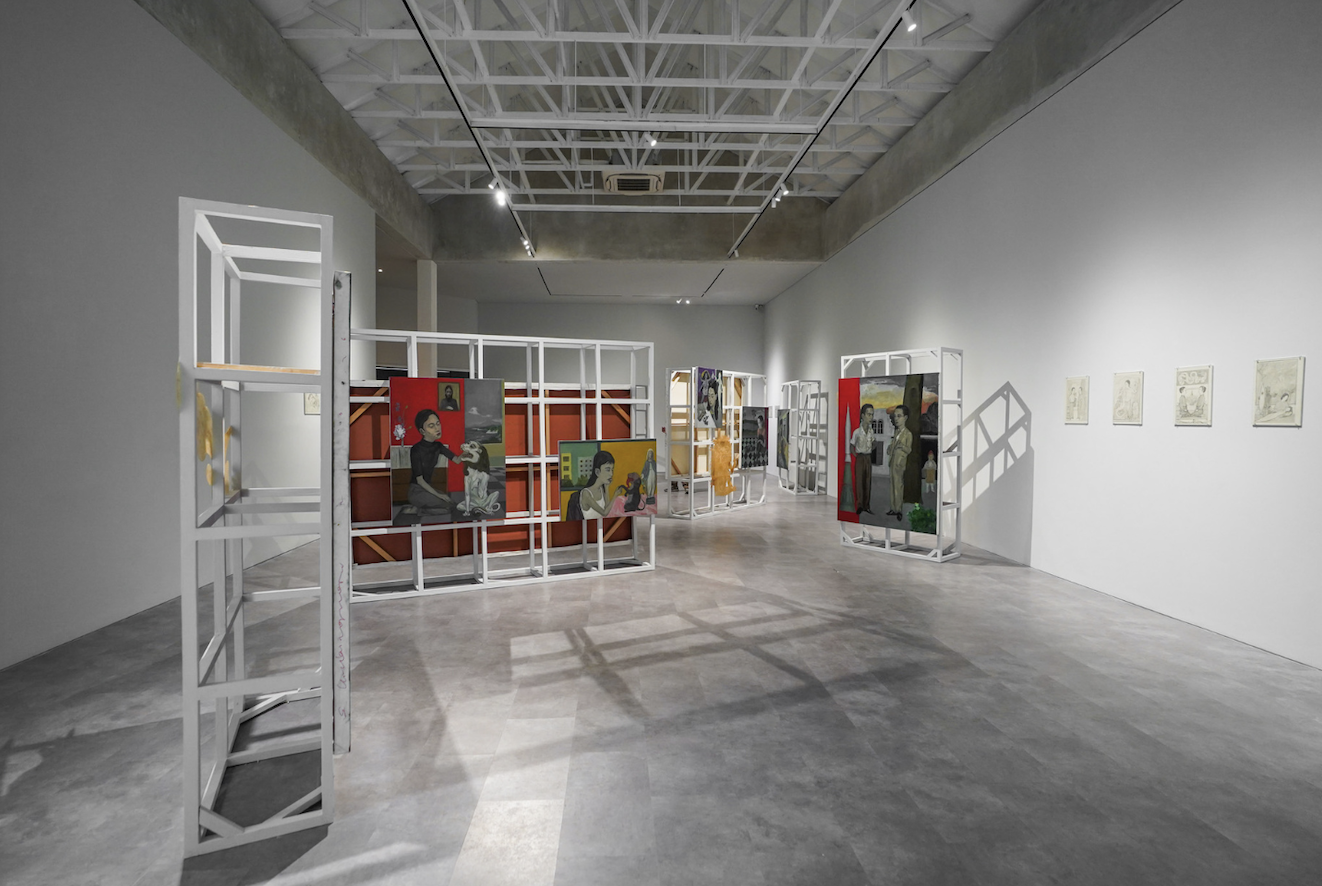
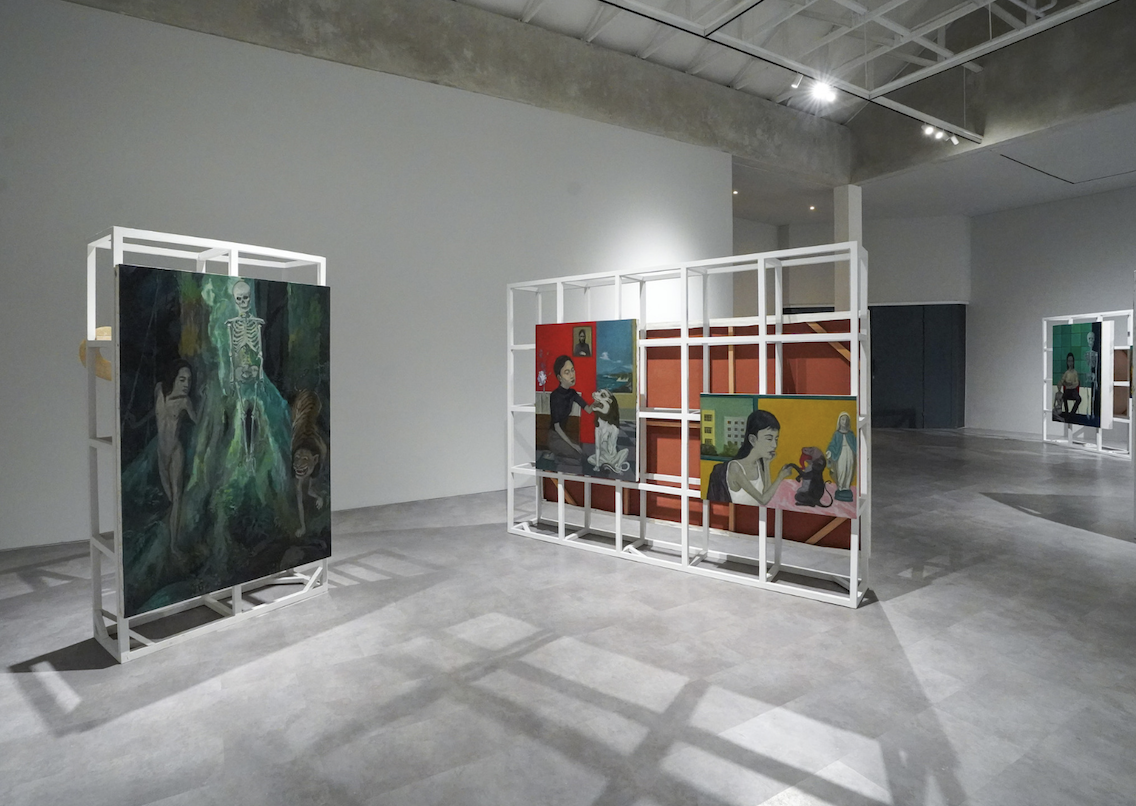
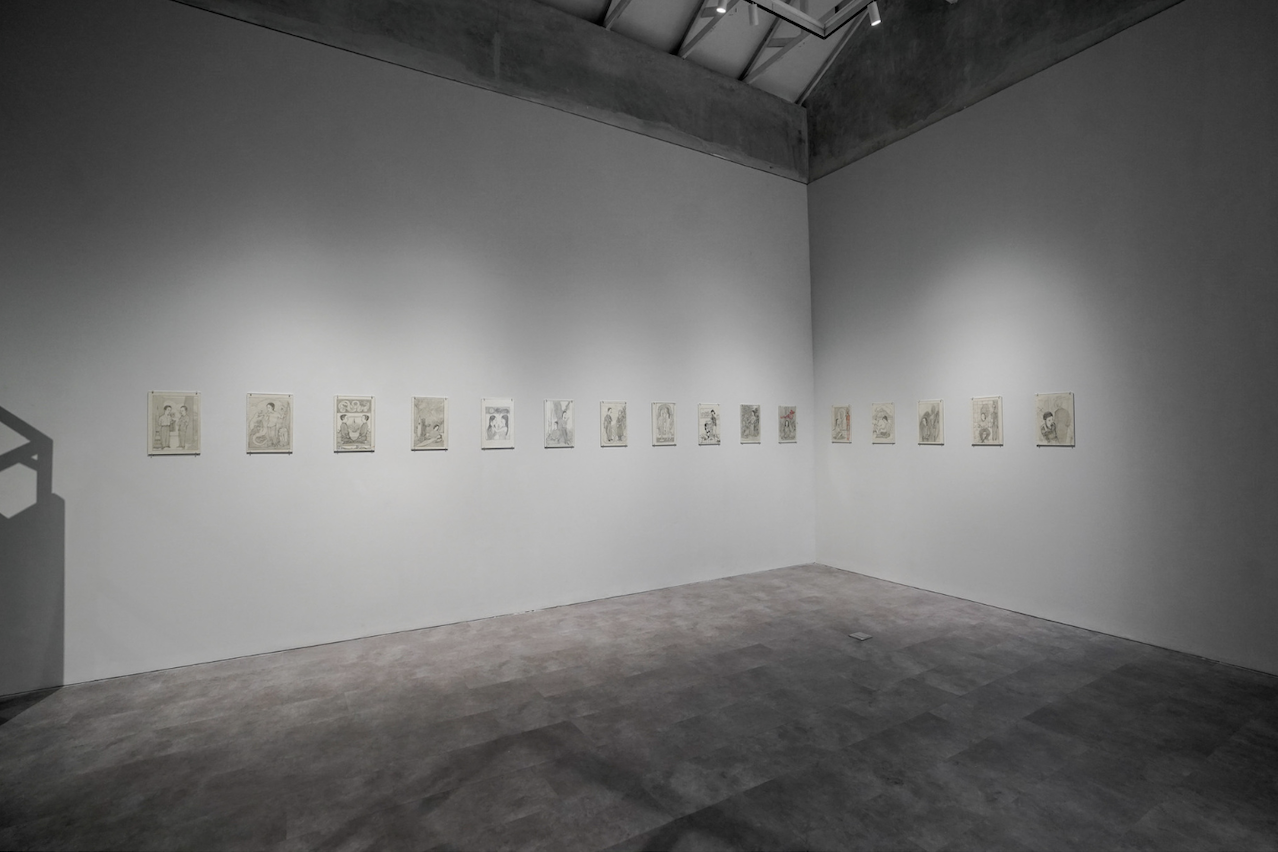
Artworks
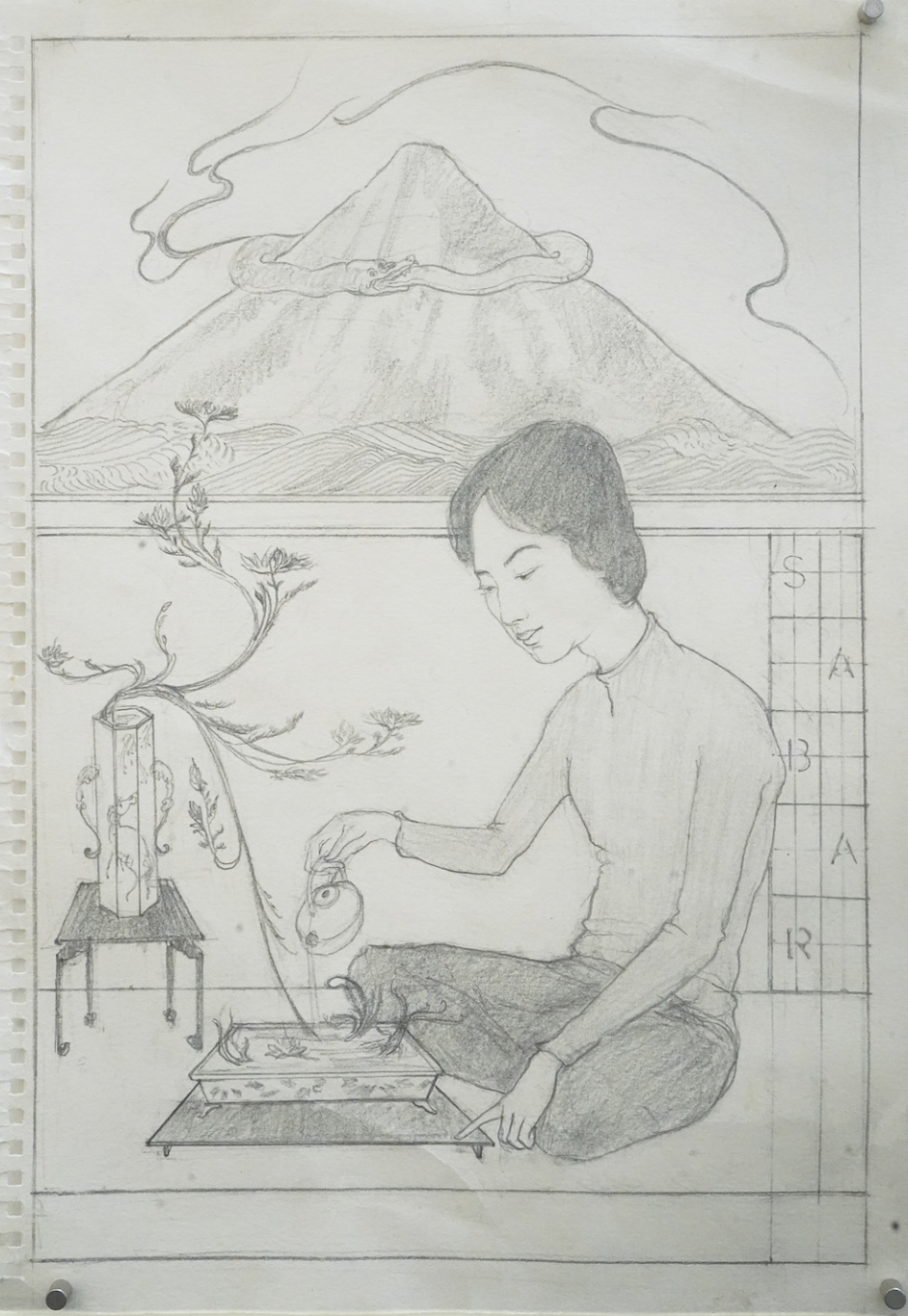
S. Urubingwaru
Wong sabar/ a patient guy
2026, pencil on paper, 37.5 x 22 cm
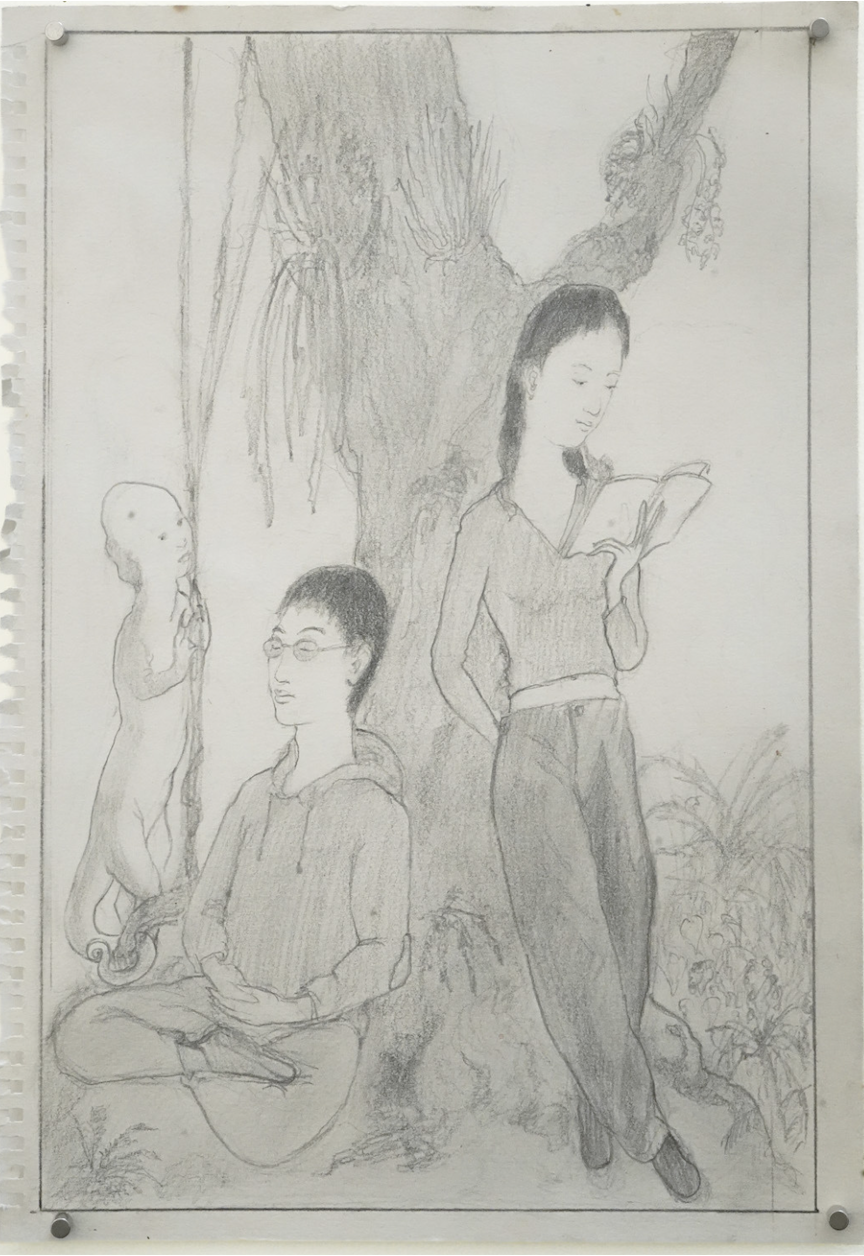
S. Urubingwaru
Barman & Estri— the evolution of adam and eve
2026, pencil on paper, 37.5 x 22 cm
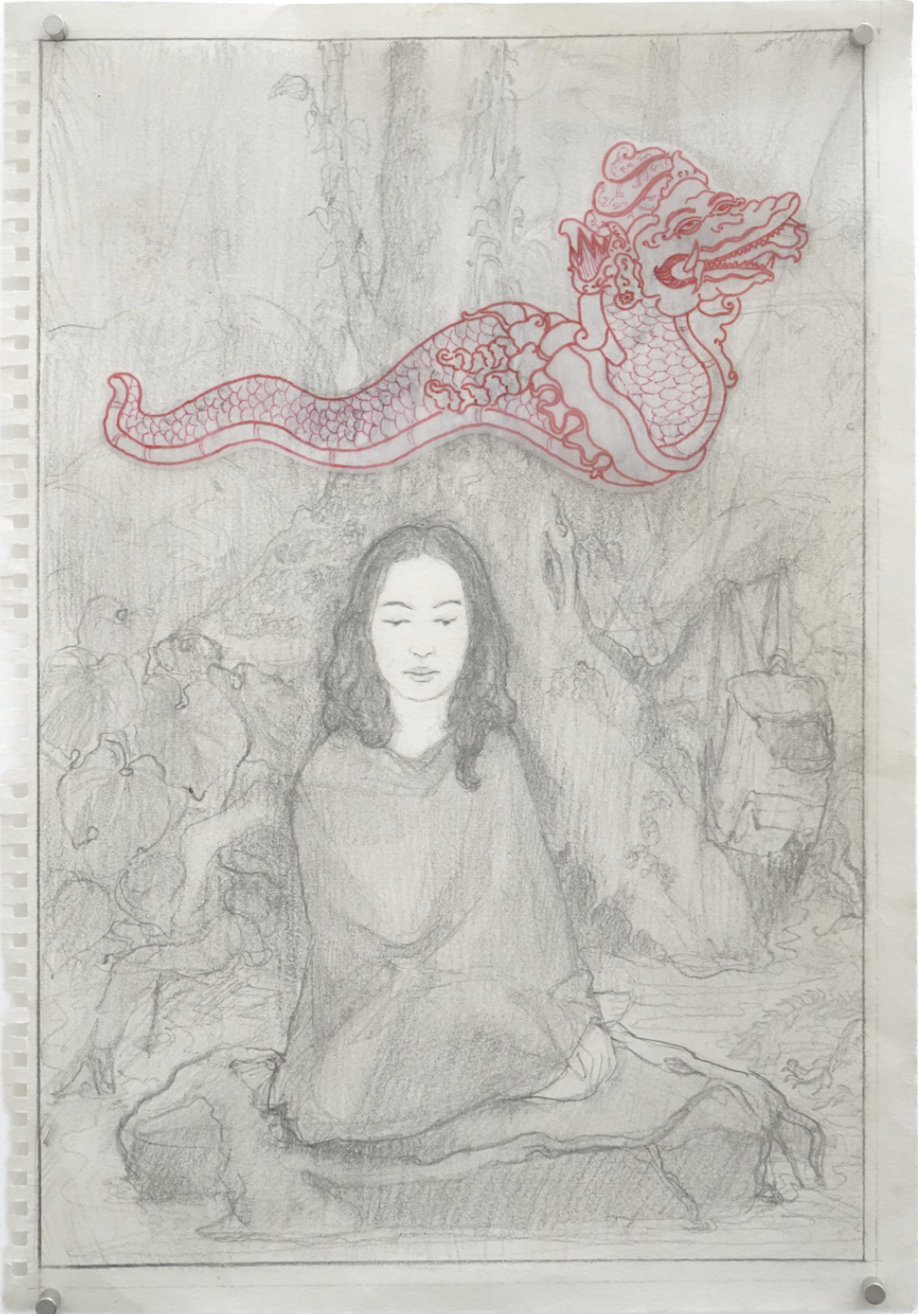
S. Urubingwaru
The missing son
2026, pencil on paper, 37.5 x 22 cm
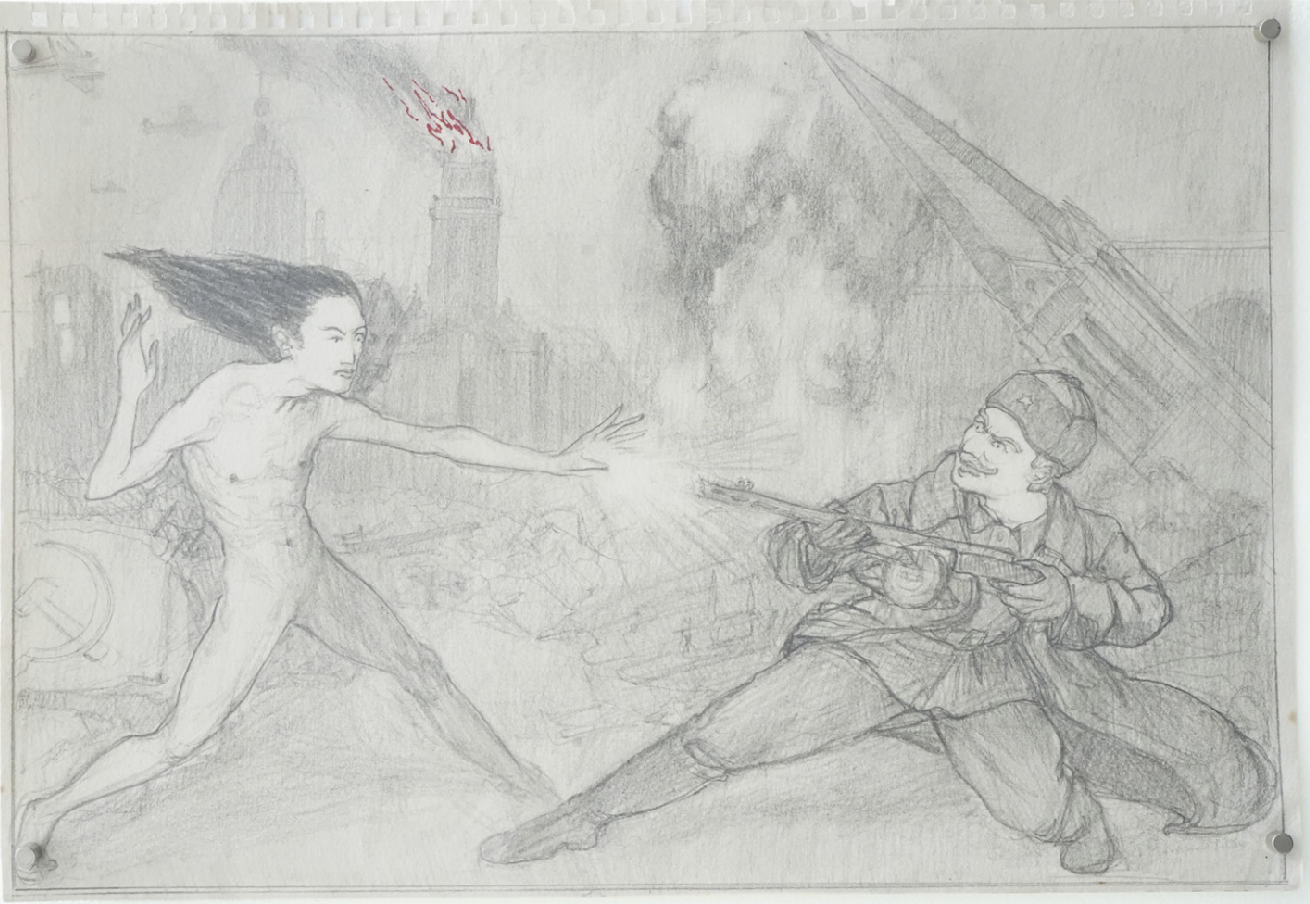
S. Urubingwaru
Damarwulan & the kremlin’s command
2026, pencil on paper, 37.5 x 22 cm
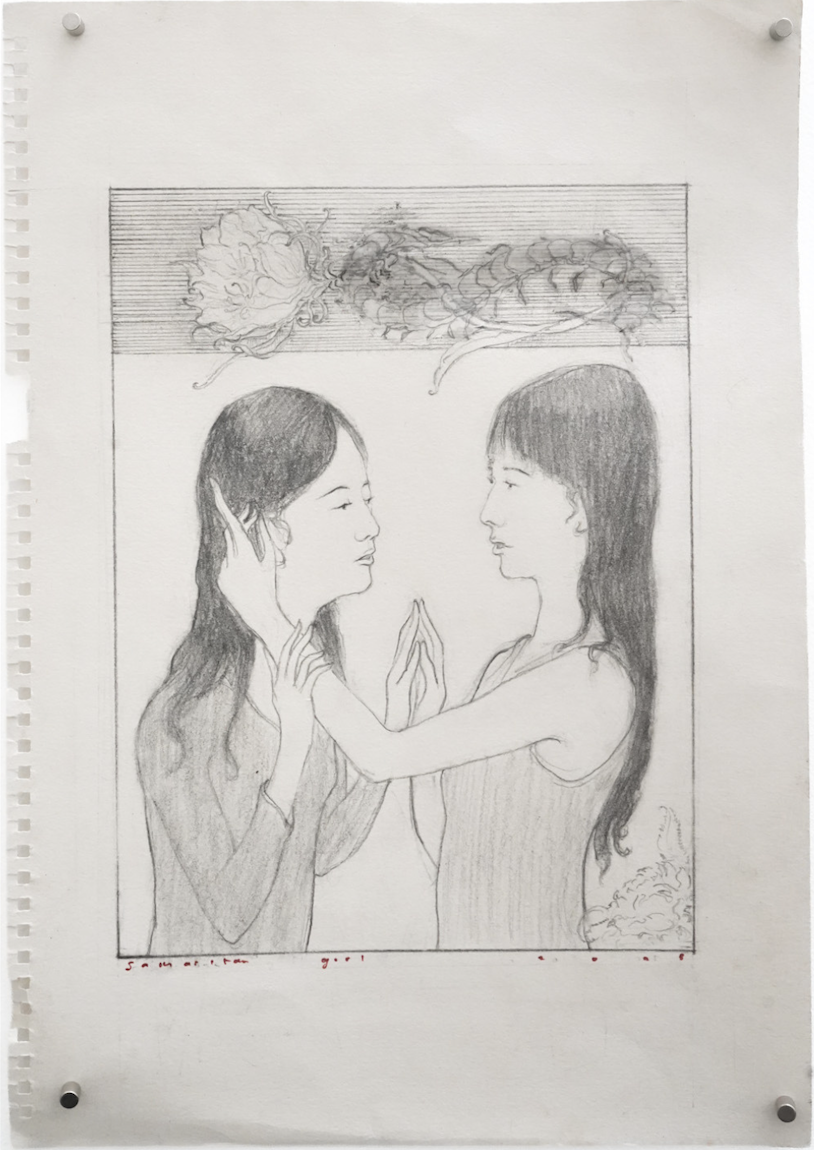
S. Urubingwaru
Samaritan girl
2026, pencil on paper, 37.5 x 22 cm
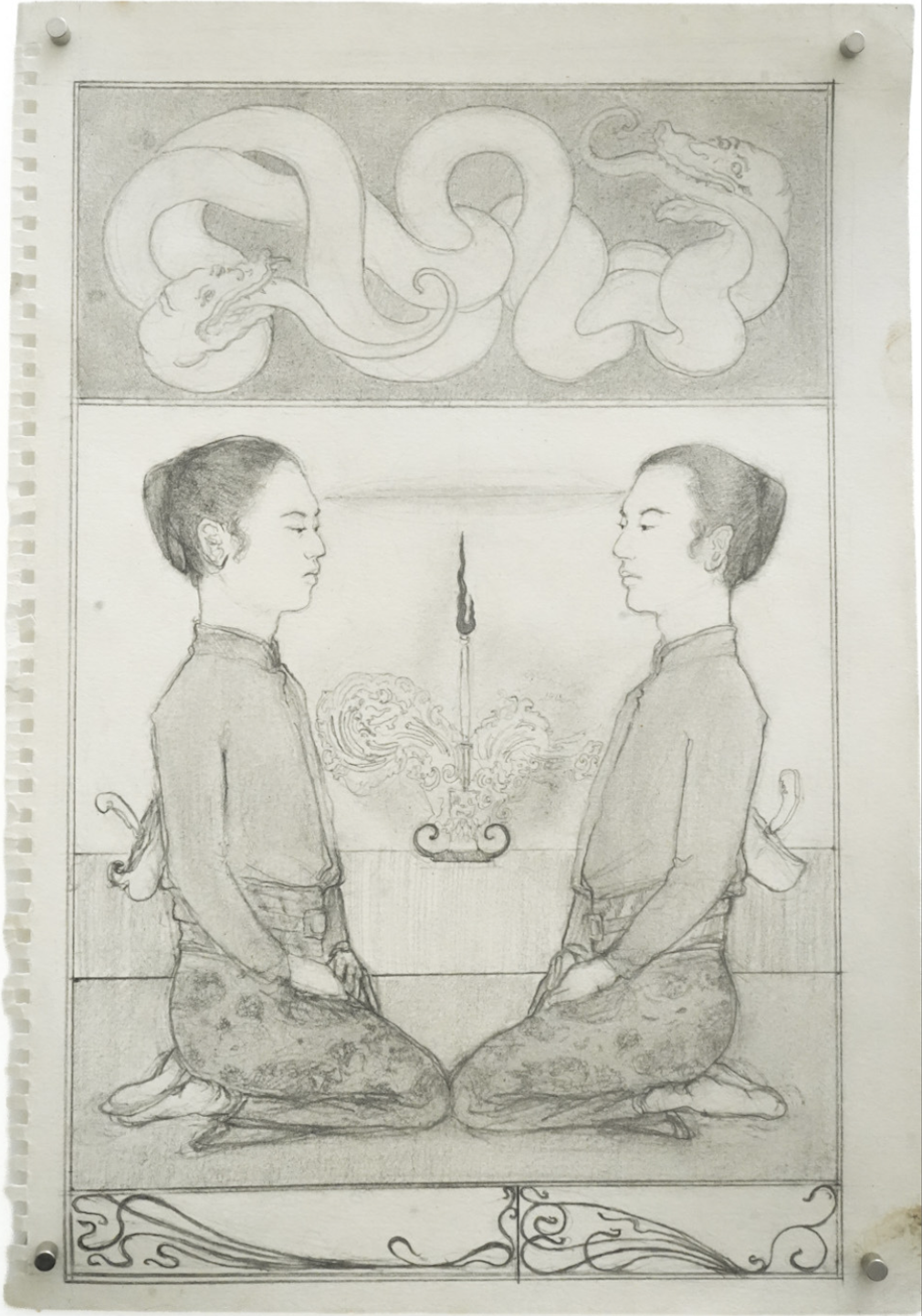
S. Urubingwaru
Karno Tanding// the battle between YES & NO
2026, pencil on paper, 37.5 x 22 cm
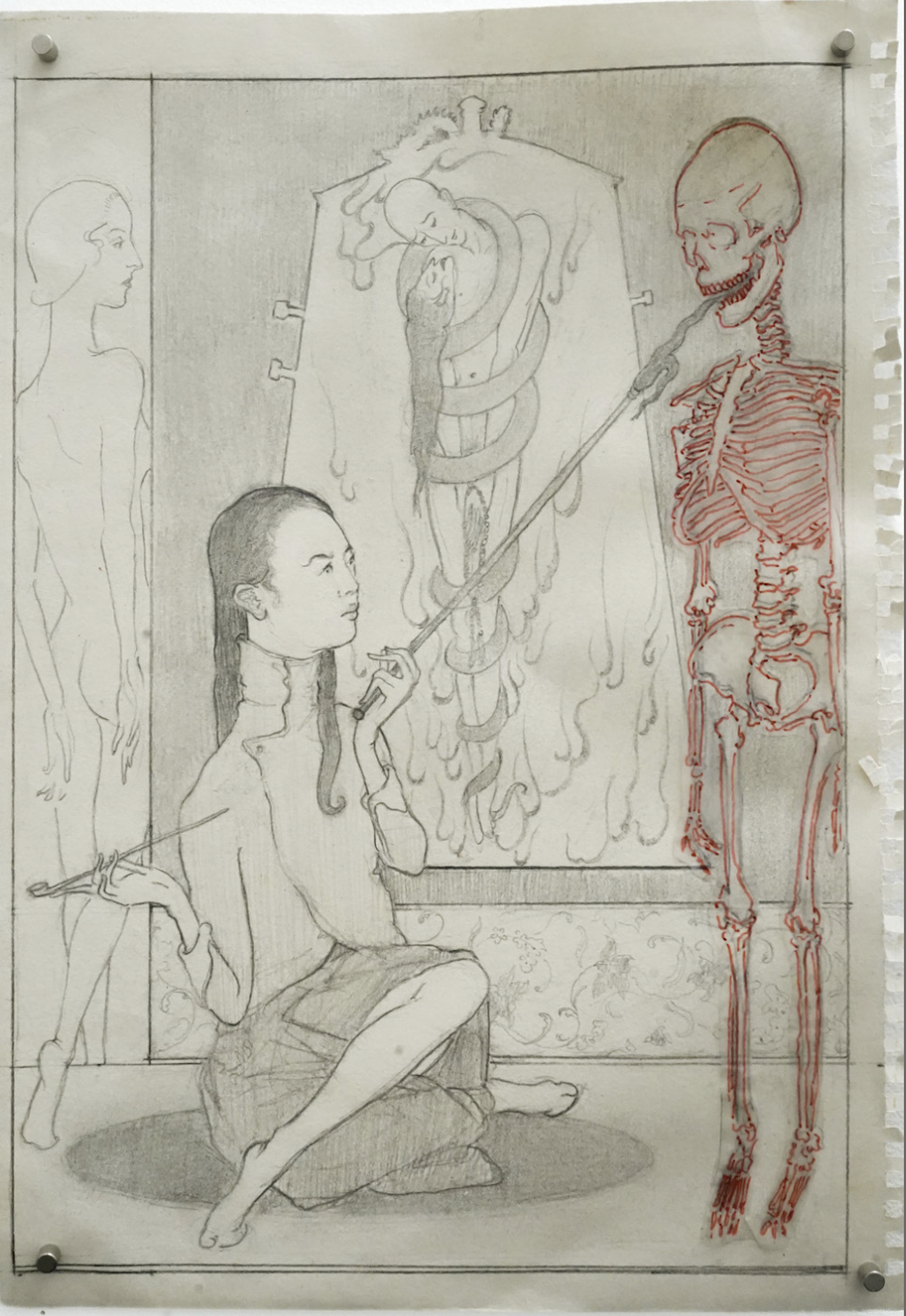
S. Urubingwaru
The monk who broke every rule
2026, pencil on paper, 37.5 x 22 cm
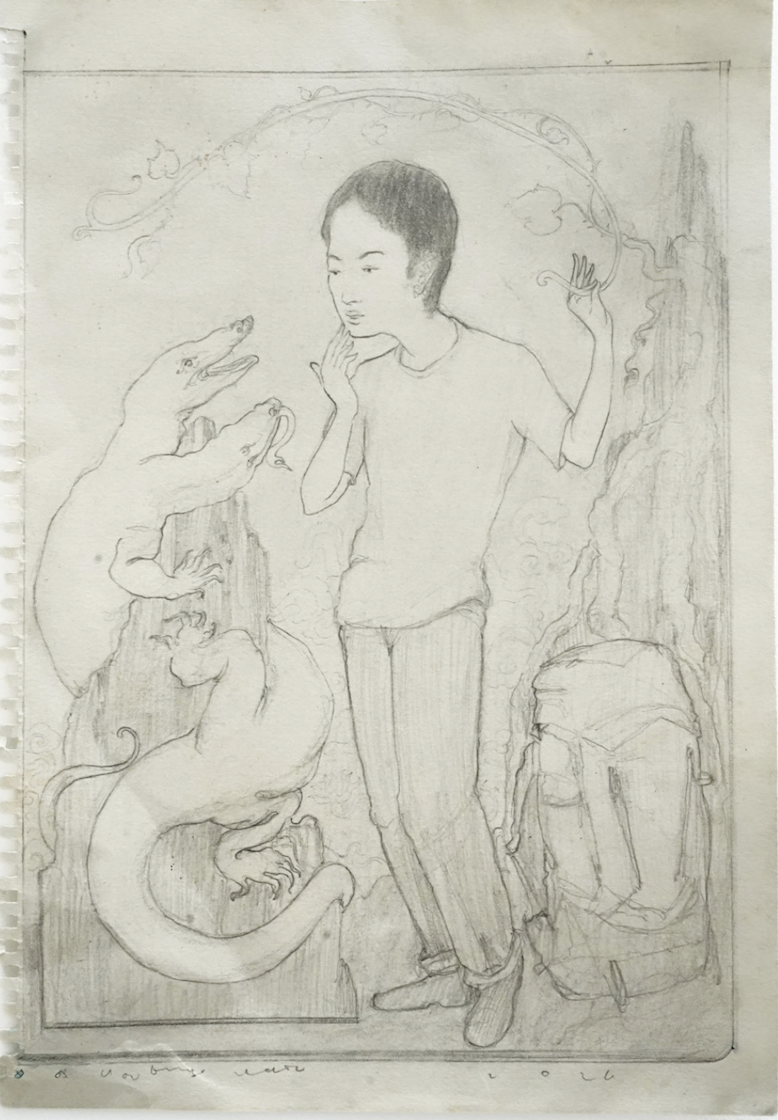
S. Urubingwaru
Xenobiological Garden
2026, pencil on paper, 37.5 x 22 cm
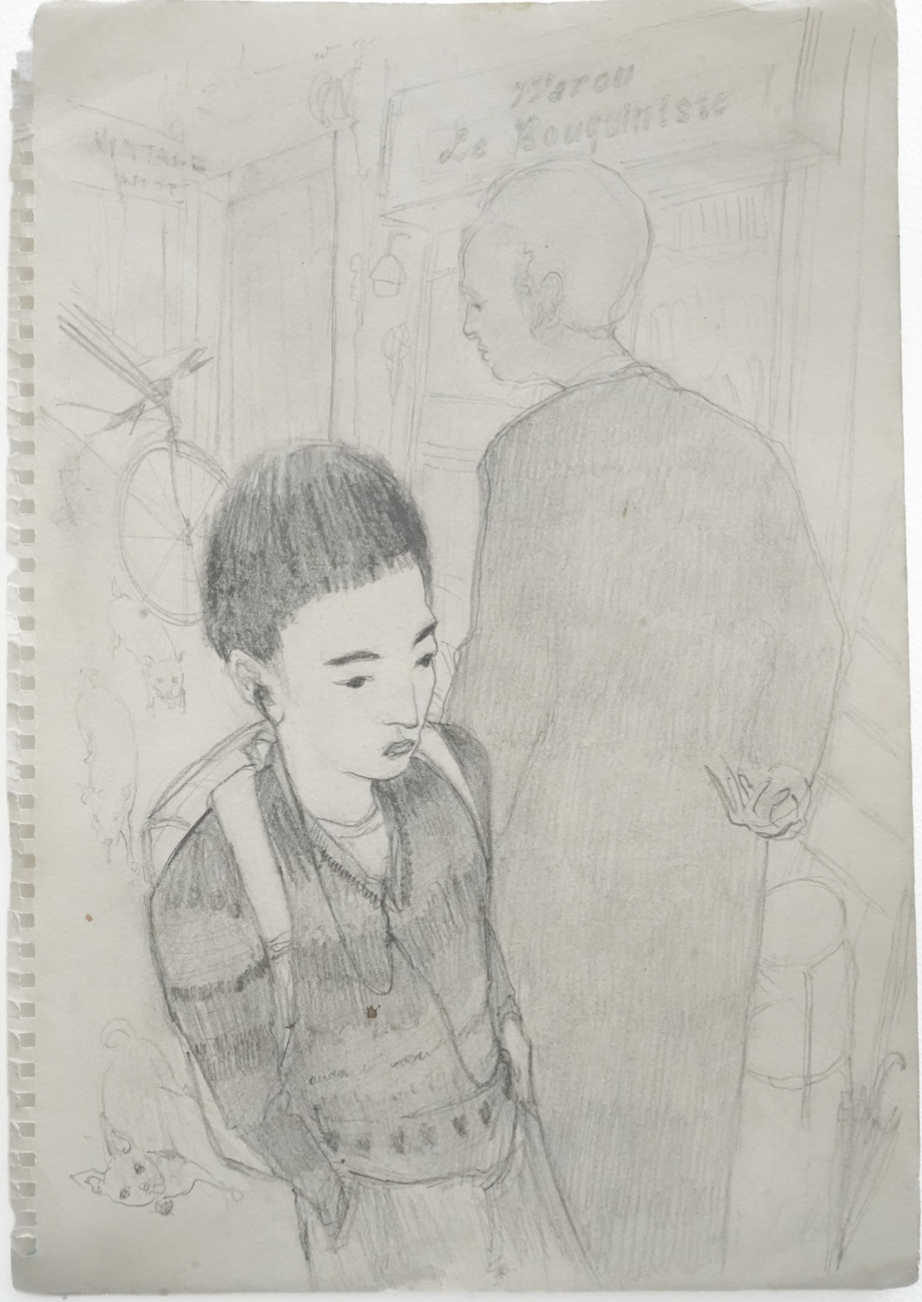
S. Urubingwaru
P i l g r i m — to the city of unknown memories
2026, pencil on paper, 37.5 x 22 cm
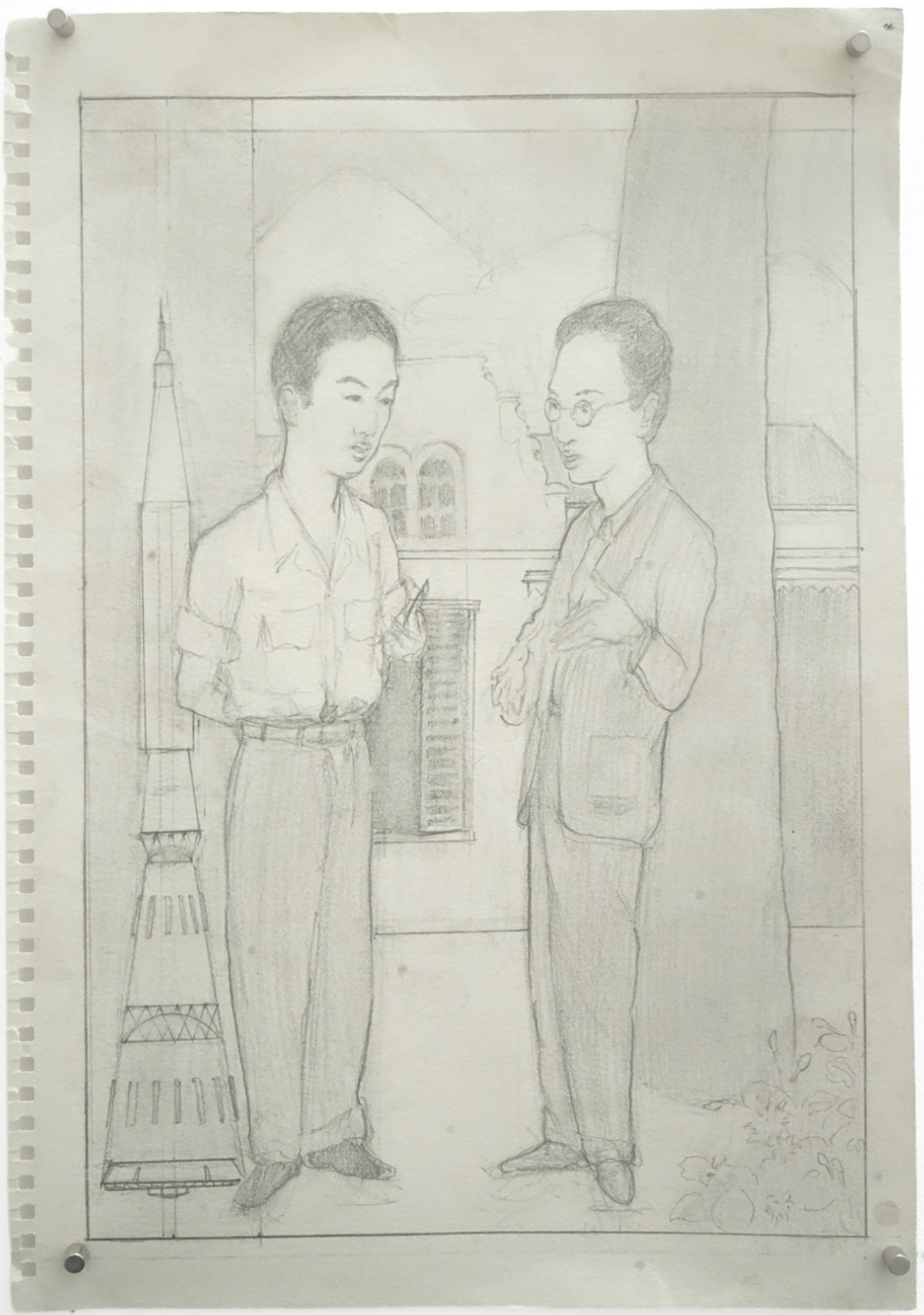
S. Urubingwaru
Get smart (two indonesian communist guys talking about nuclear energy & rocket science)
2026, pencil on paper, 37.5 x 22 cm
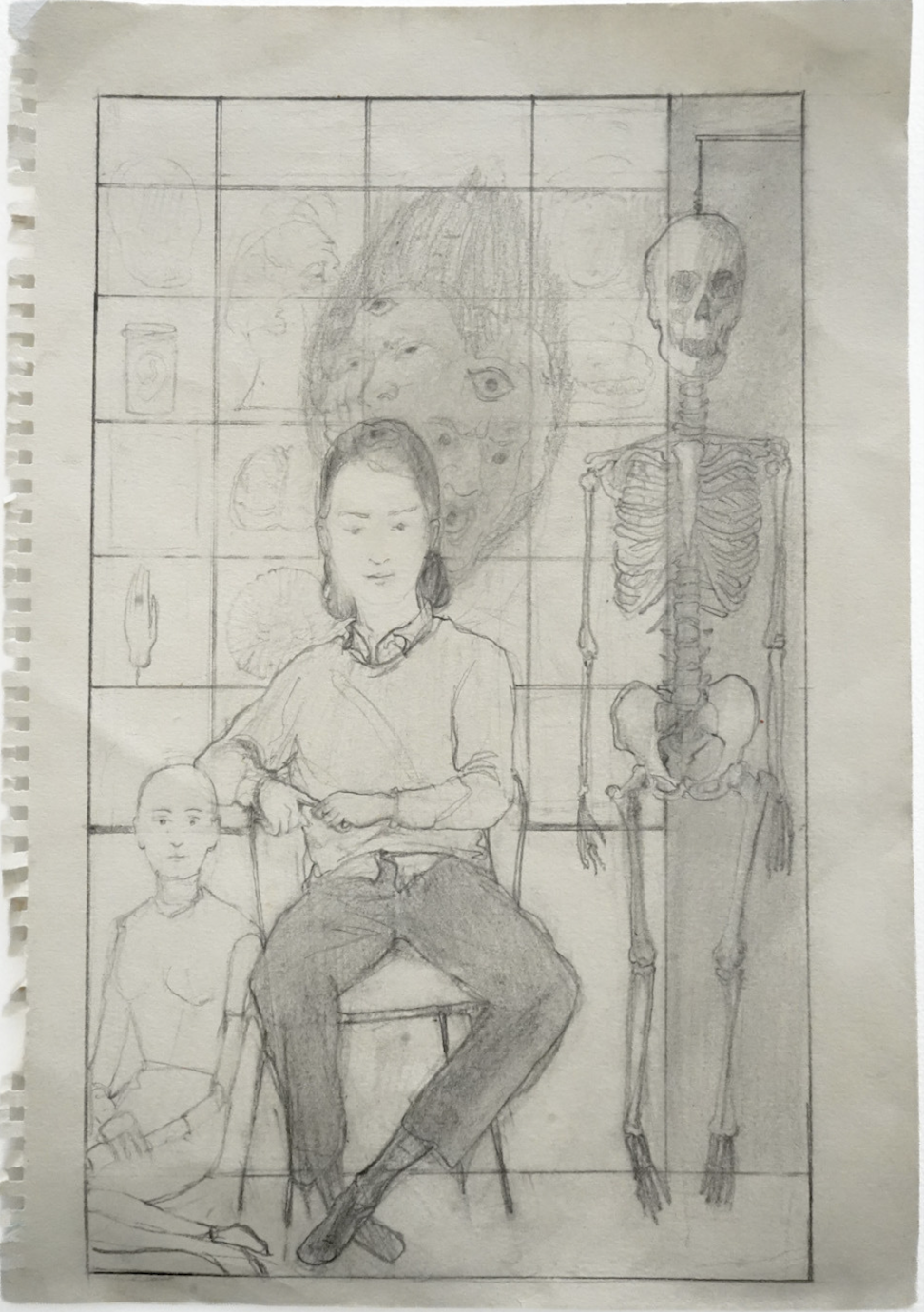
S. Urubingwaru
A rebellious man. The monk of the left-hand path.
2026, pencil on paper, 37.5 x 22 cm
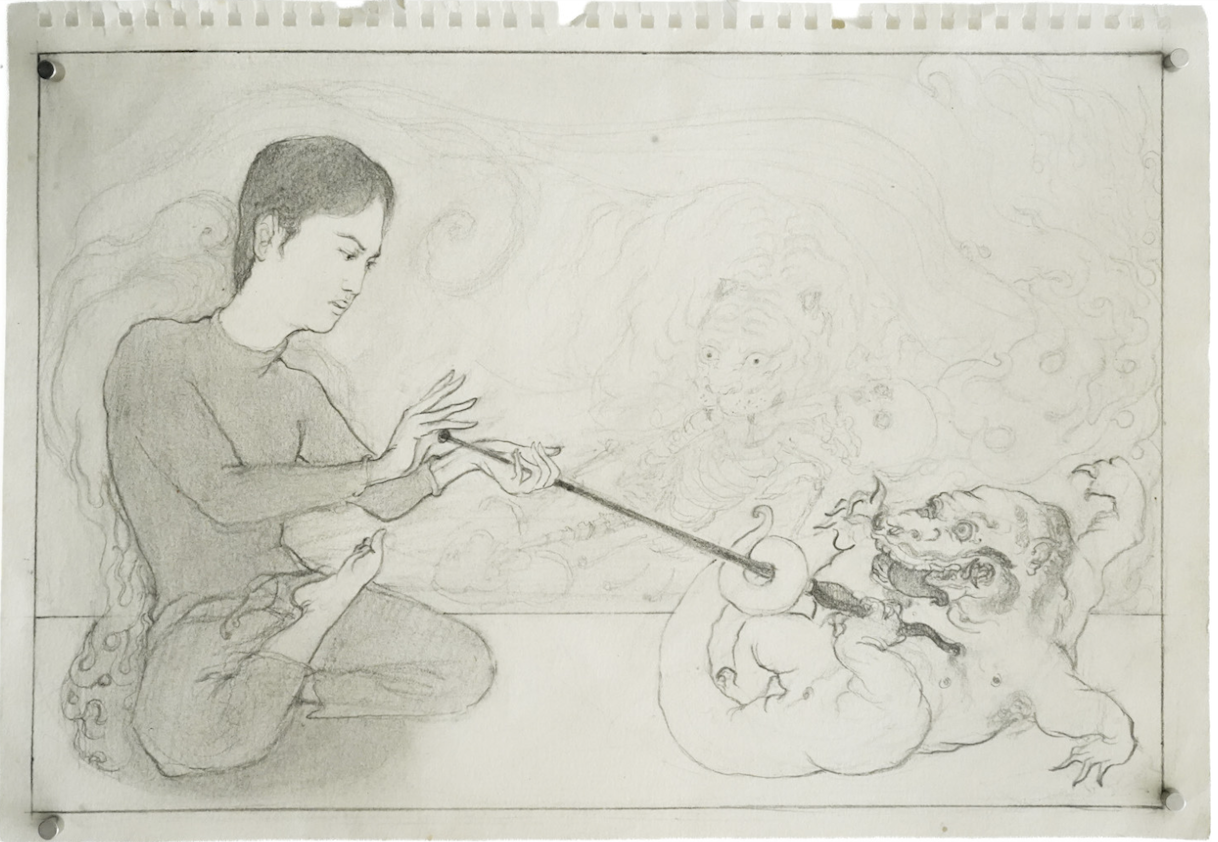
S. Urubingwaru
Stay down, brother. Listen to me
2026, pencil on paper, 37.5 x 22 cm
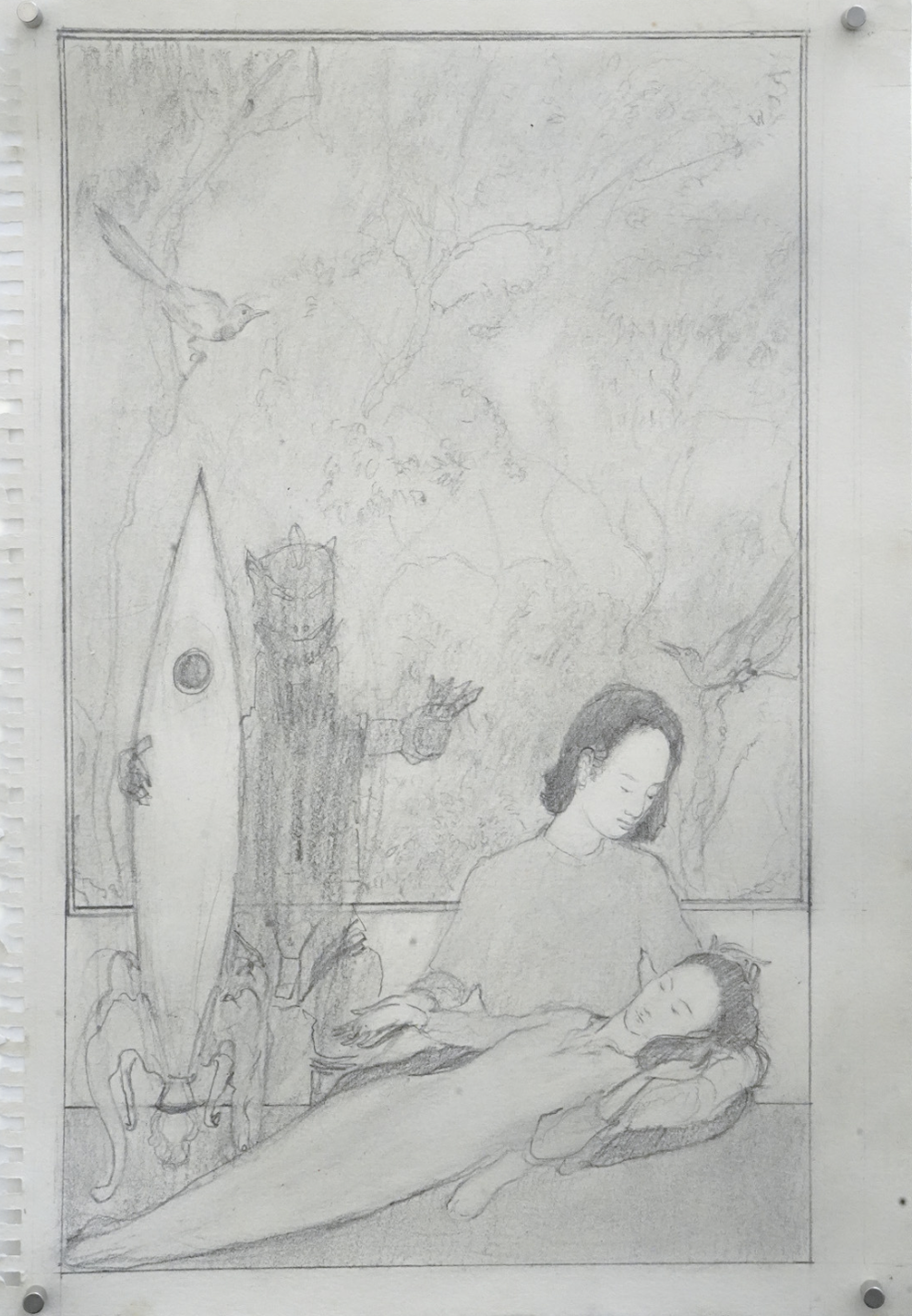
S. Urubingwaru
Mountain winds, rain falls…
2026, pencil on paper, 37.5 x 22 cm
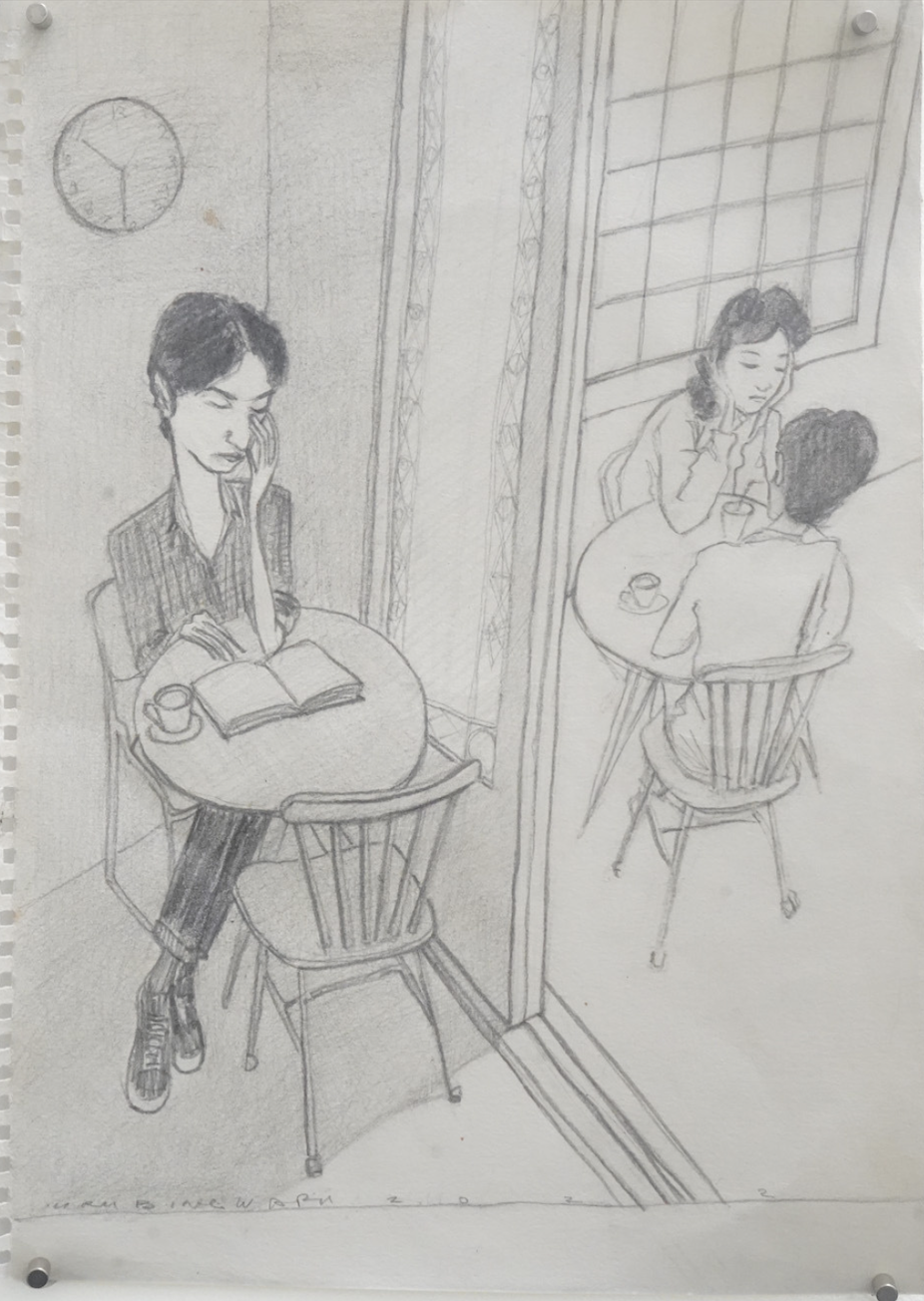
S. Urubingwaru
Mr. Echo coffee
2026, pencil on paper, 37.5 x 22 cm
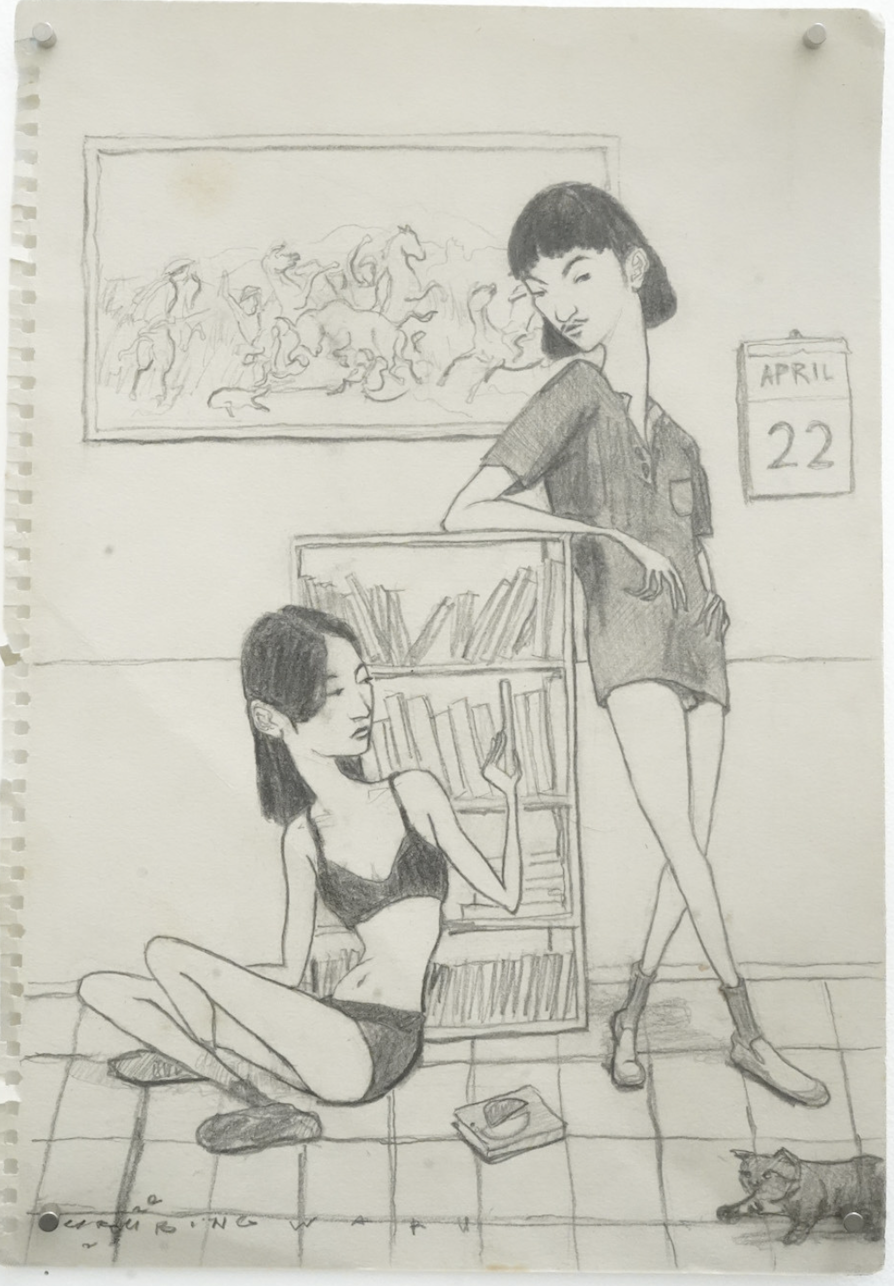
S. Urubingwaru
Something stupid
2026, pencil on paper, 37.5 x 22 cm
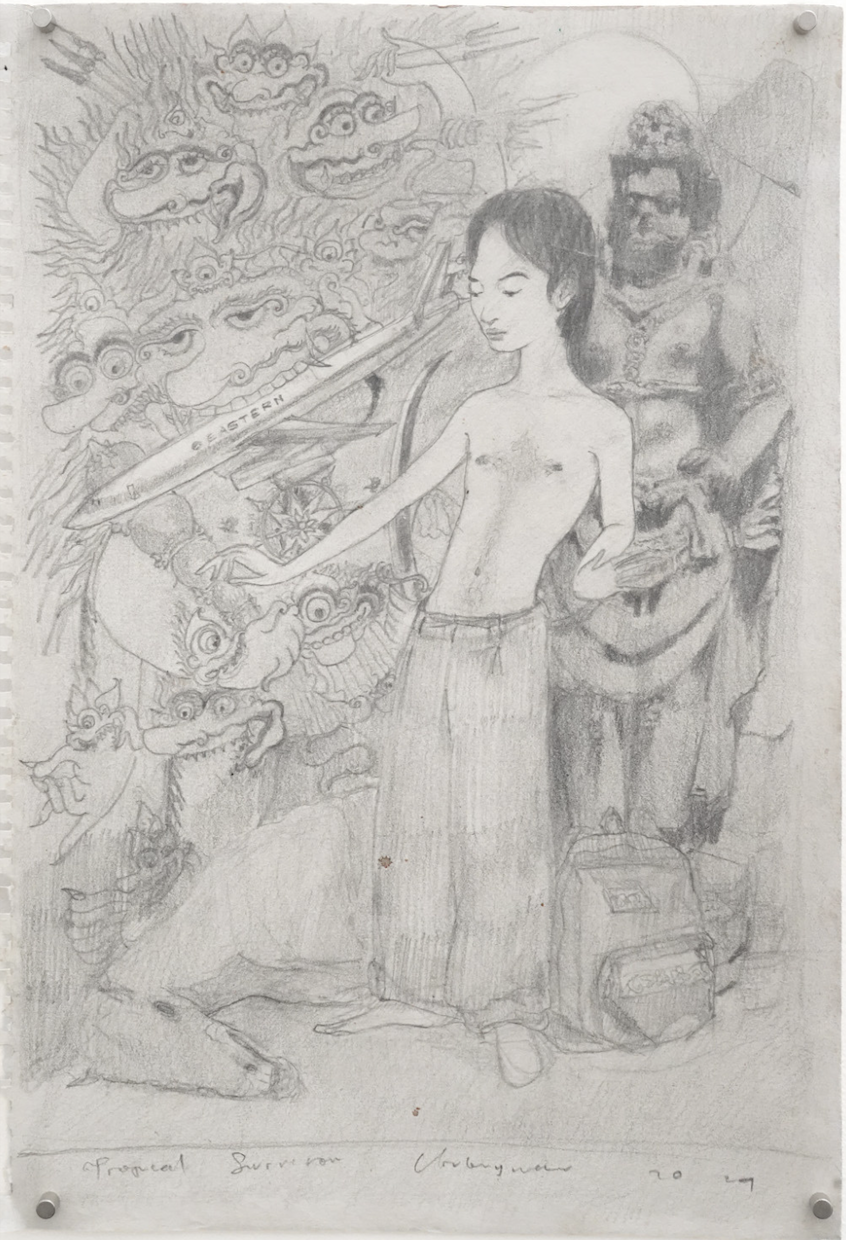
S. Urubingwaru
Tropical survivor
2026, pencil on paper, 37.5 x 22 cm
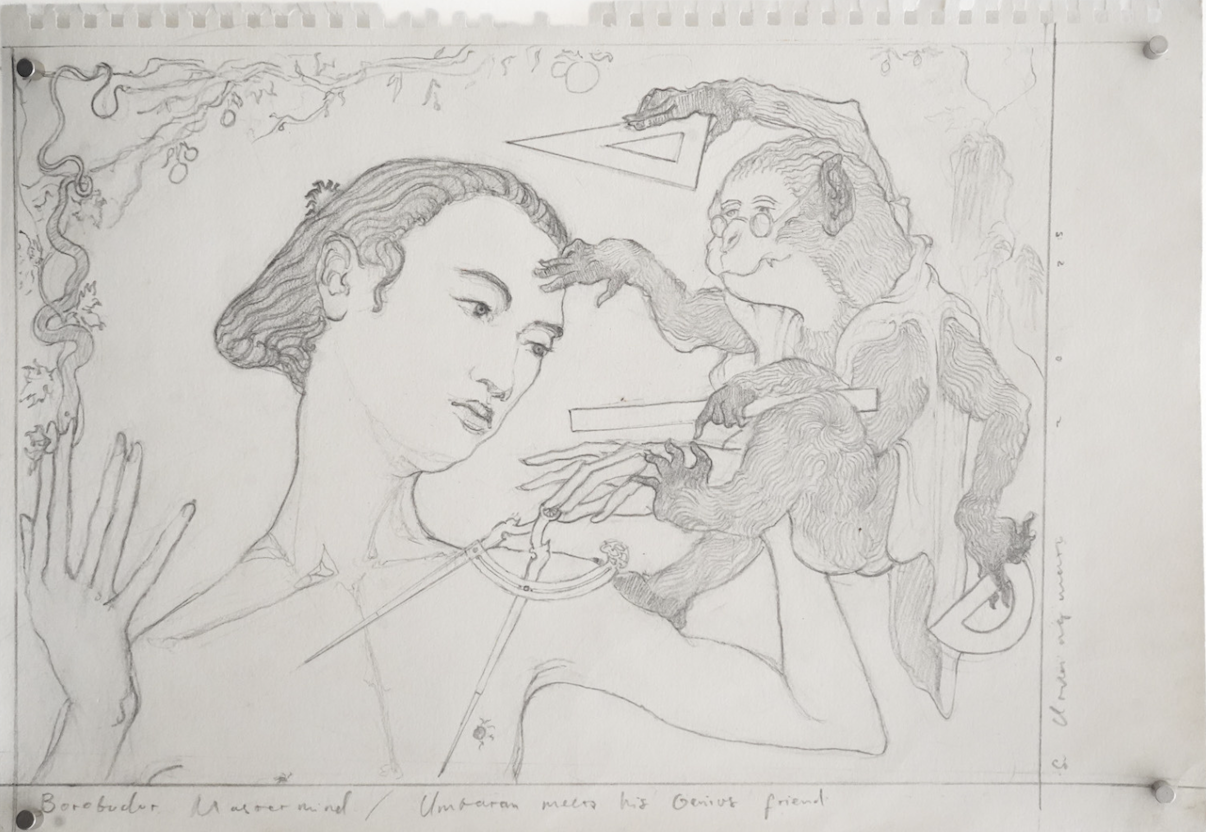
S. Urubingwaru
Umbaran meets his genius friend// Borobudur Mastermind— the tale of Professor Kombayana
2026, pencil on paper, 37.5 x 22 cm
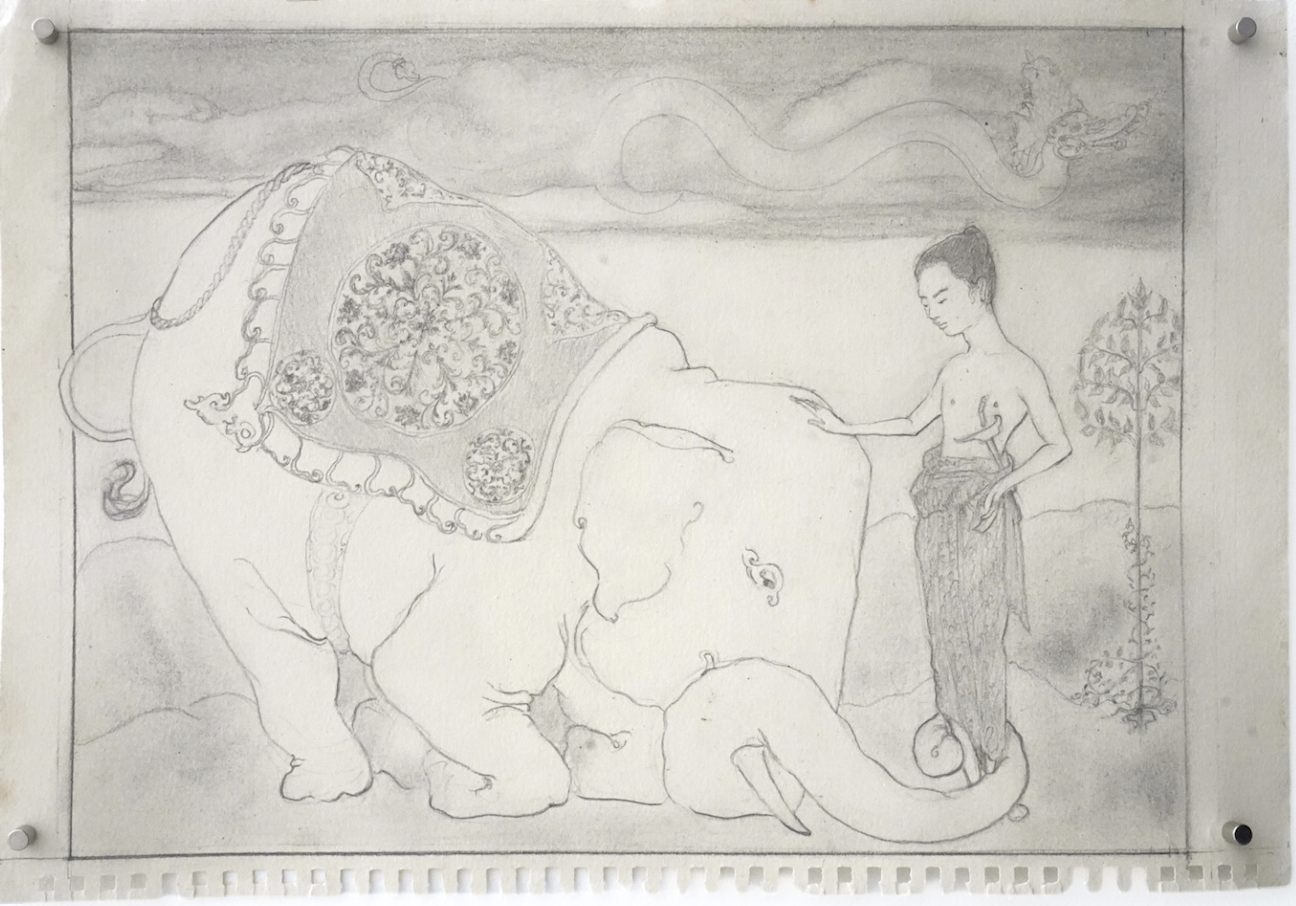
S. Urubingwaru
Gajah Kertasora// a strange history of the island of Java.
2026, pencil on paper, 37.5 x 22 cm
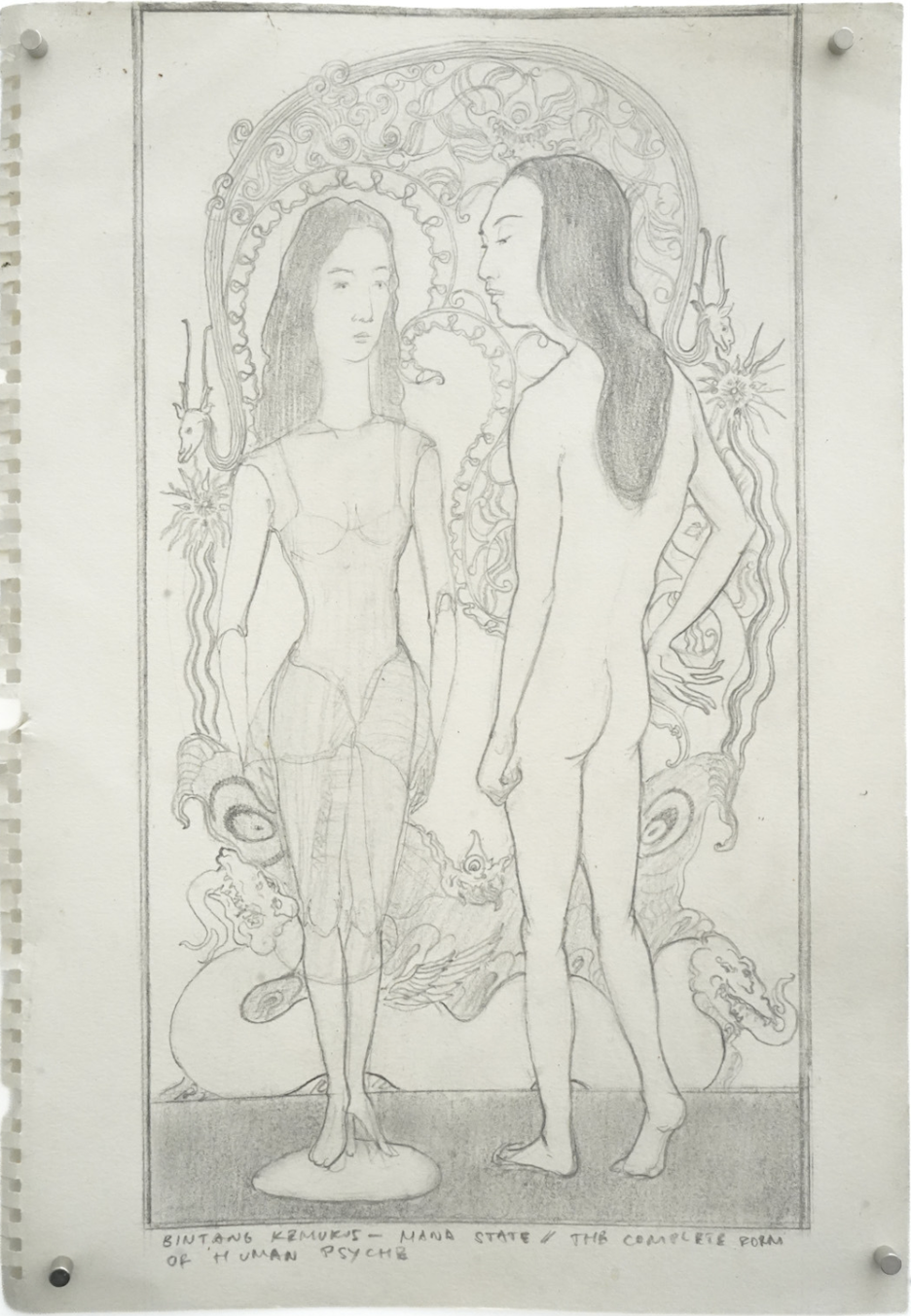
S. Urubingwaru
Bintang Kemukus— Mana State// a complete form of the human psyche
2026, pencil on paper, 37.5 x 22 cm
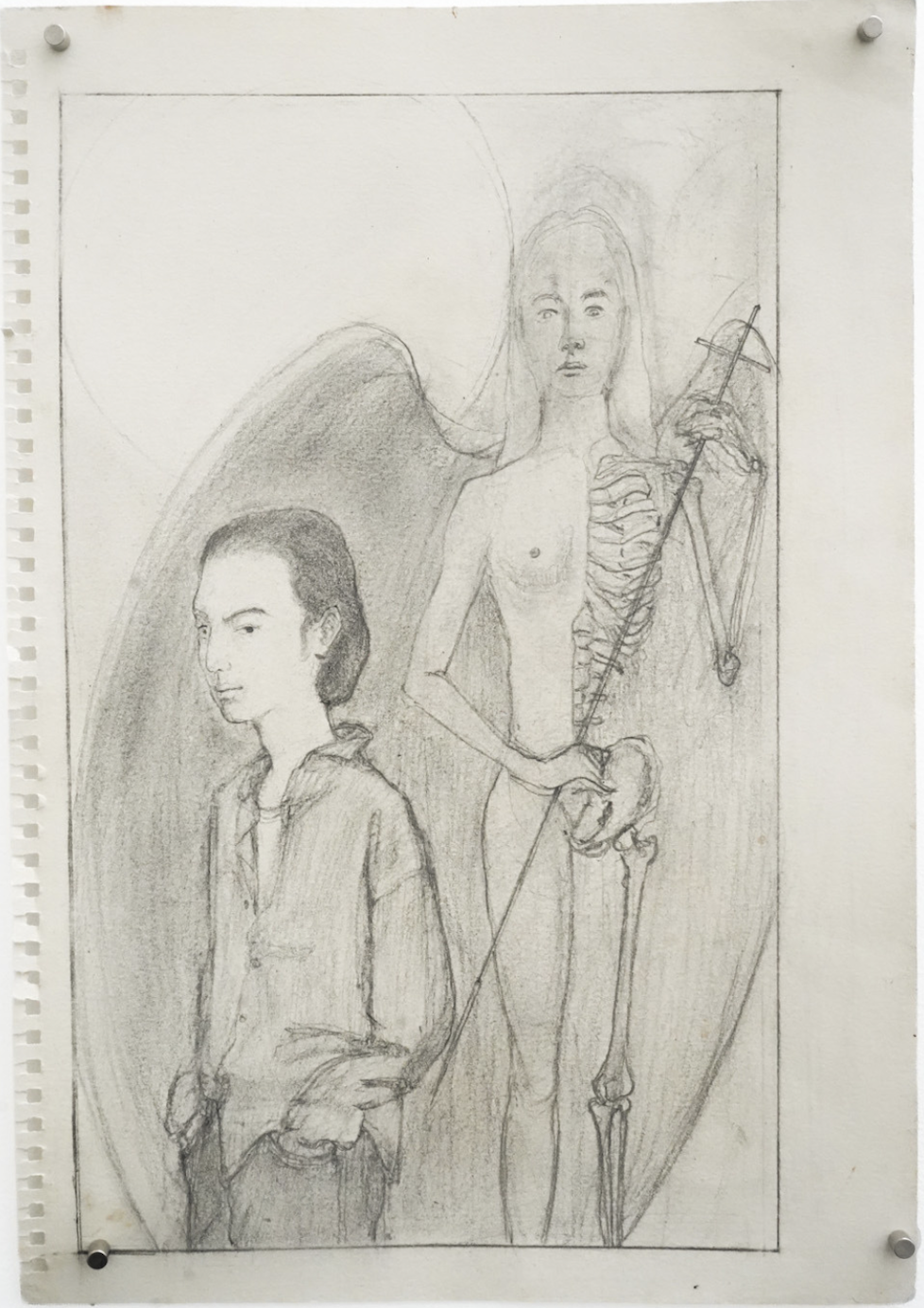
S. Urubingwaru
A man who truly understands the fruit of heaven. Vigorous, eternal life and death, always beside him.
2026, pencil on paper, 37.5 x 22 cm
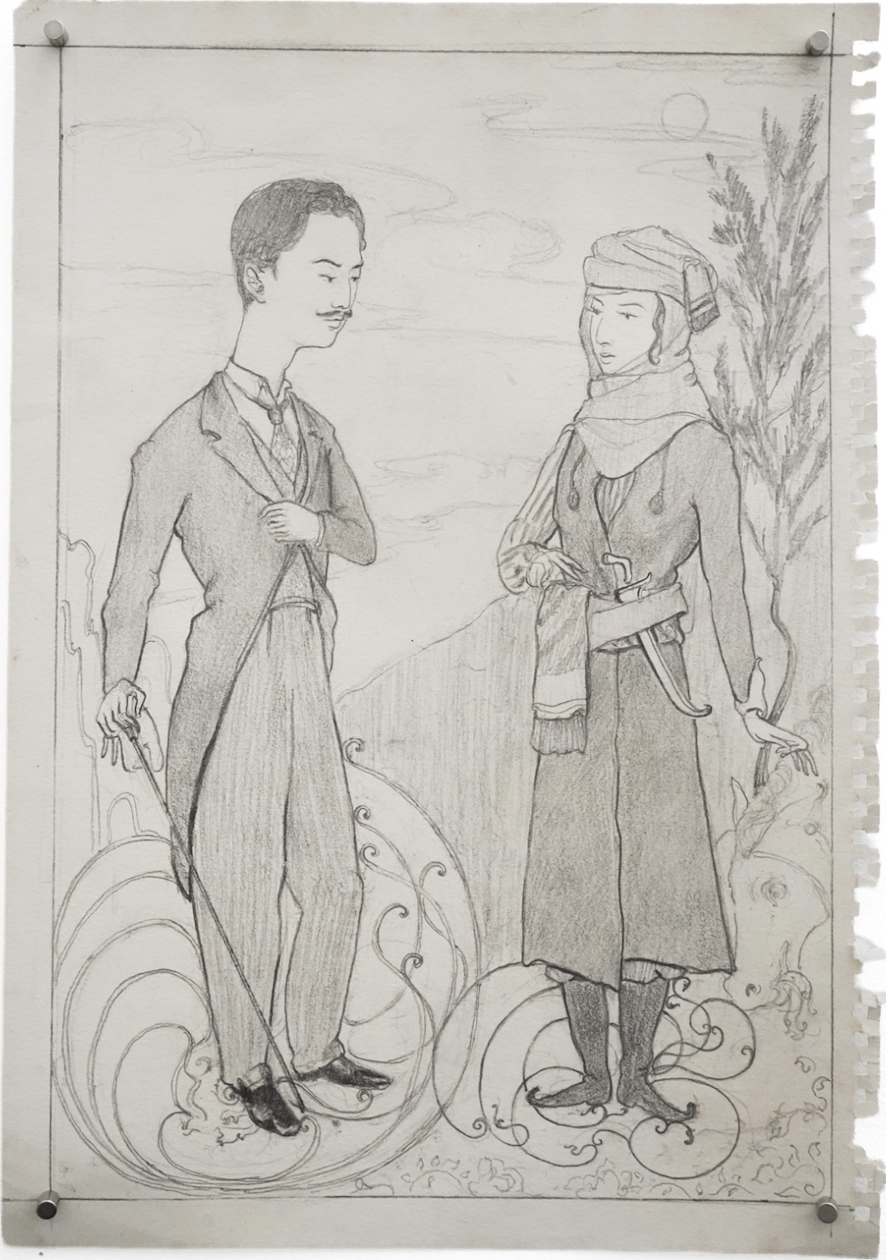
S. Urubingwaru
The Eastern Scientist and the Arabian Nomad
2026, pencil on paper, 37.5 x 22 cm
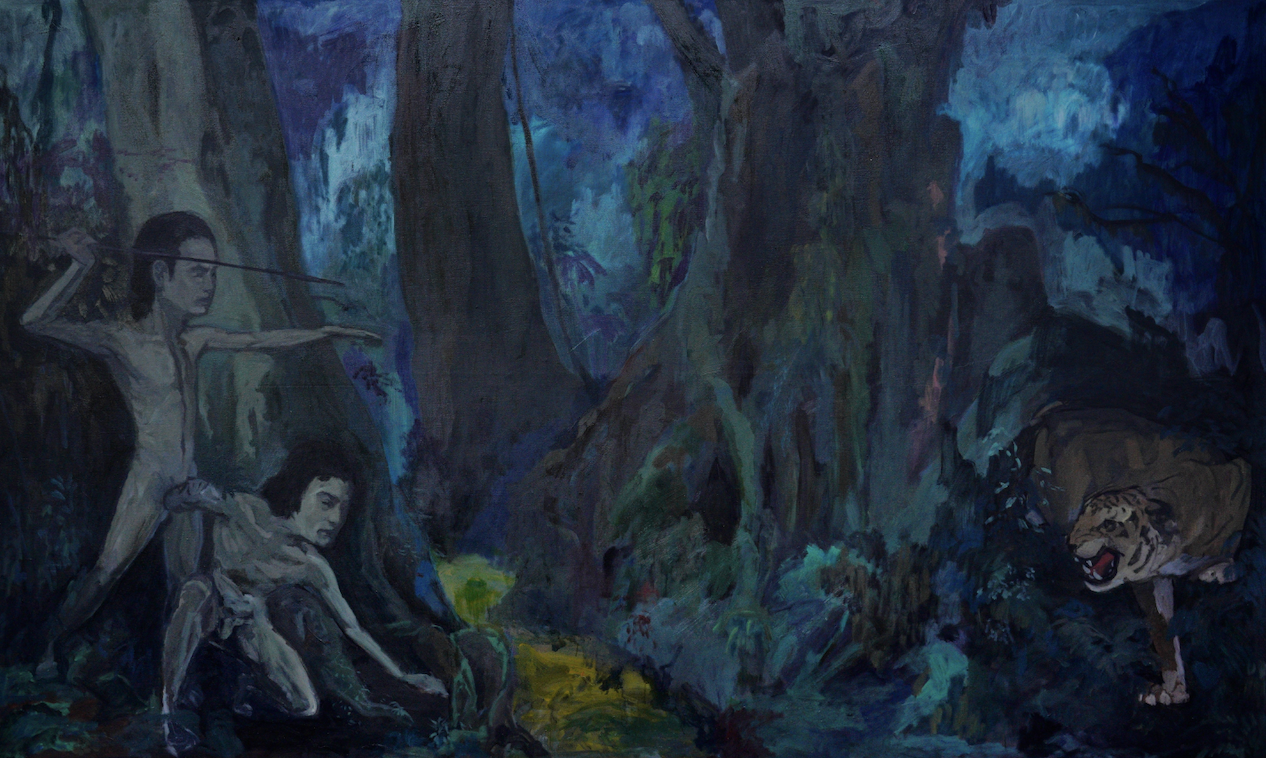
S. Urubingwaru
Eternal forest
2026, oil on canvas, 150 x 250 cm
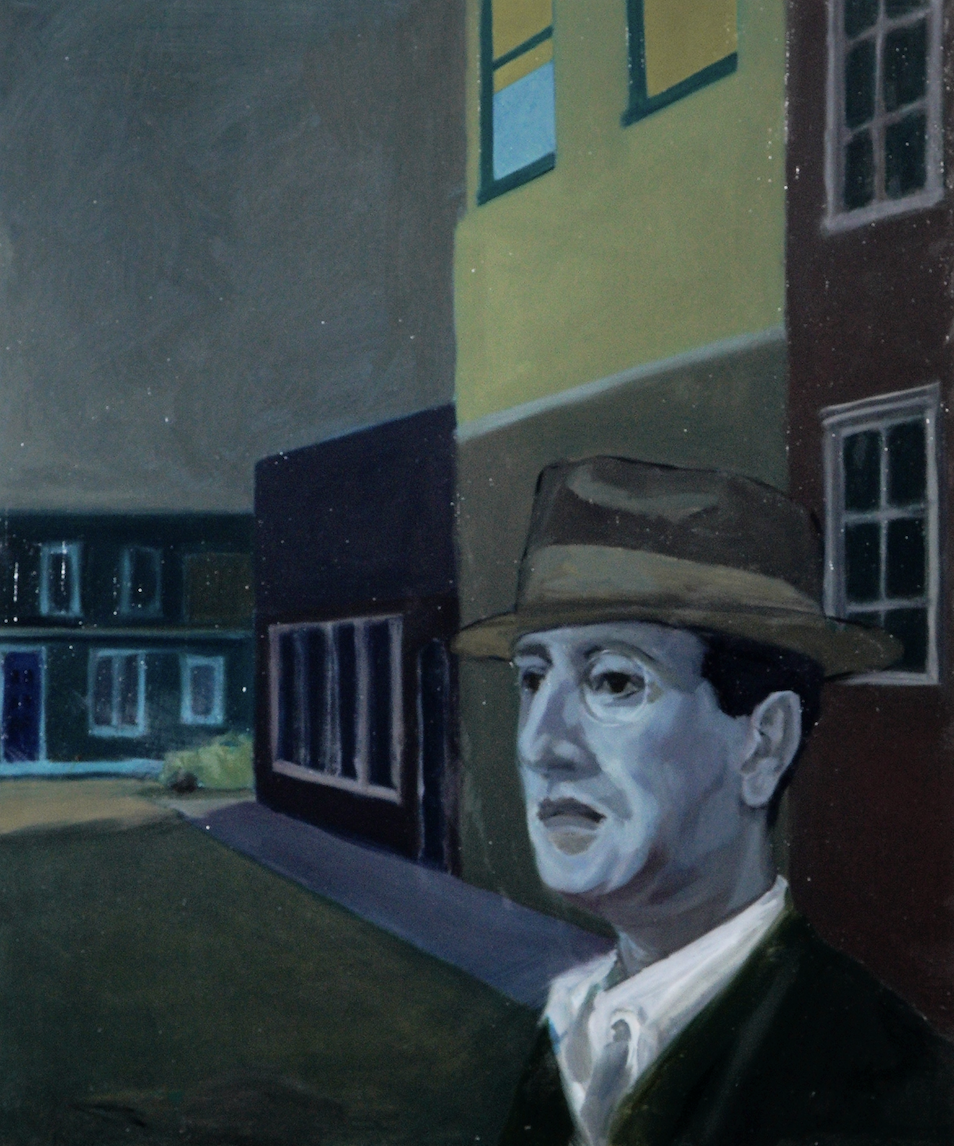
S. Urubingwaru
Ascending the Modern World: a manual
2026, oil on canvas, 60 x 50 cm
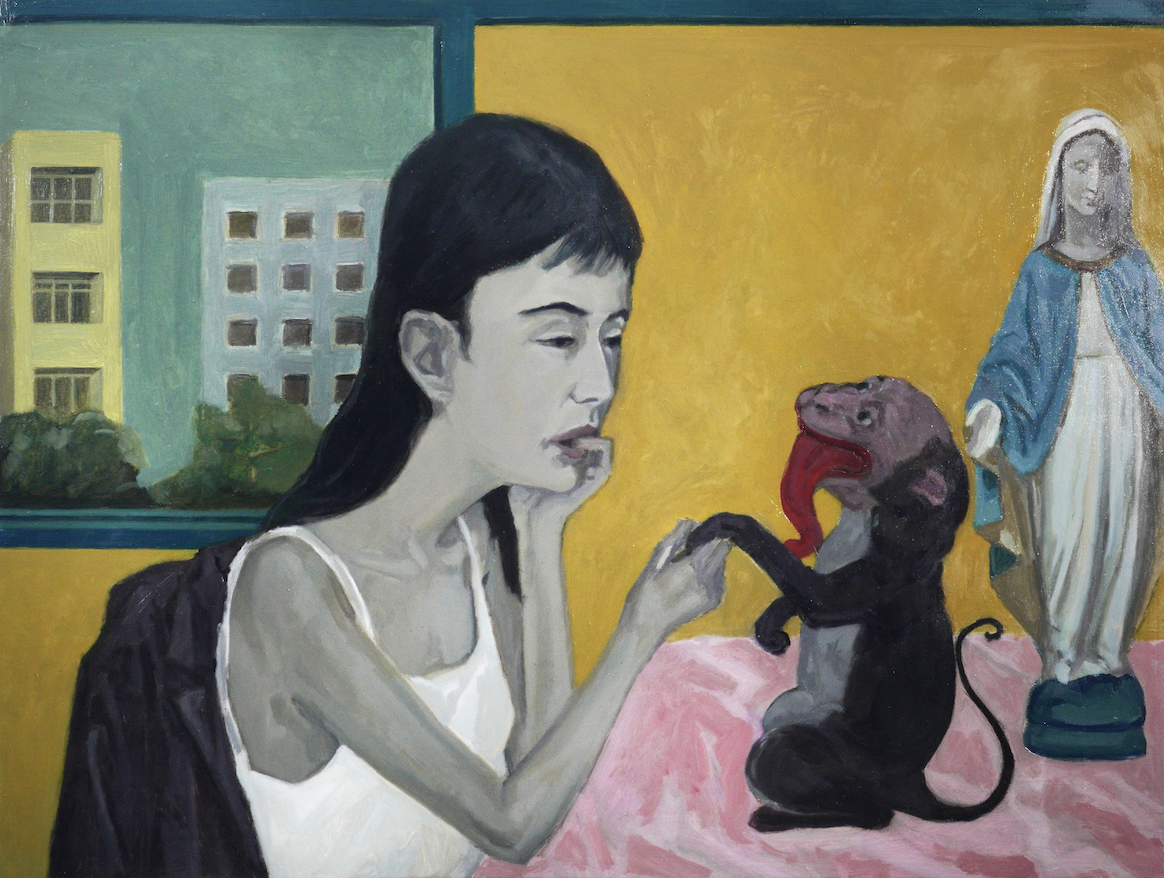
S. Urubingwaru
My mother’s love abandoned me, so stay with me Phallus!
2026, oil on canvas, 66 x 87.5 cm
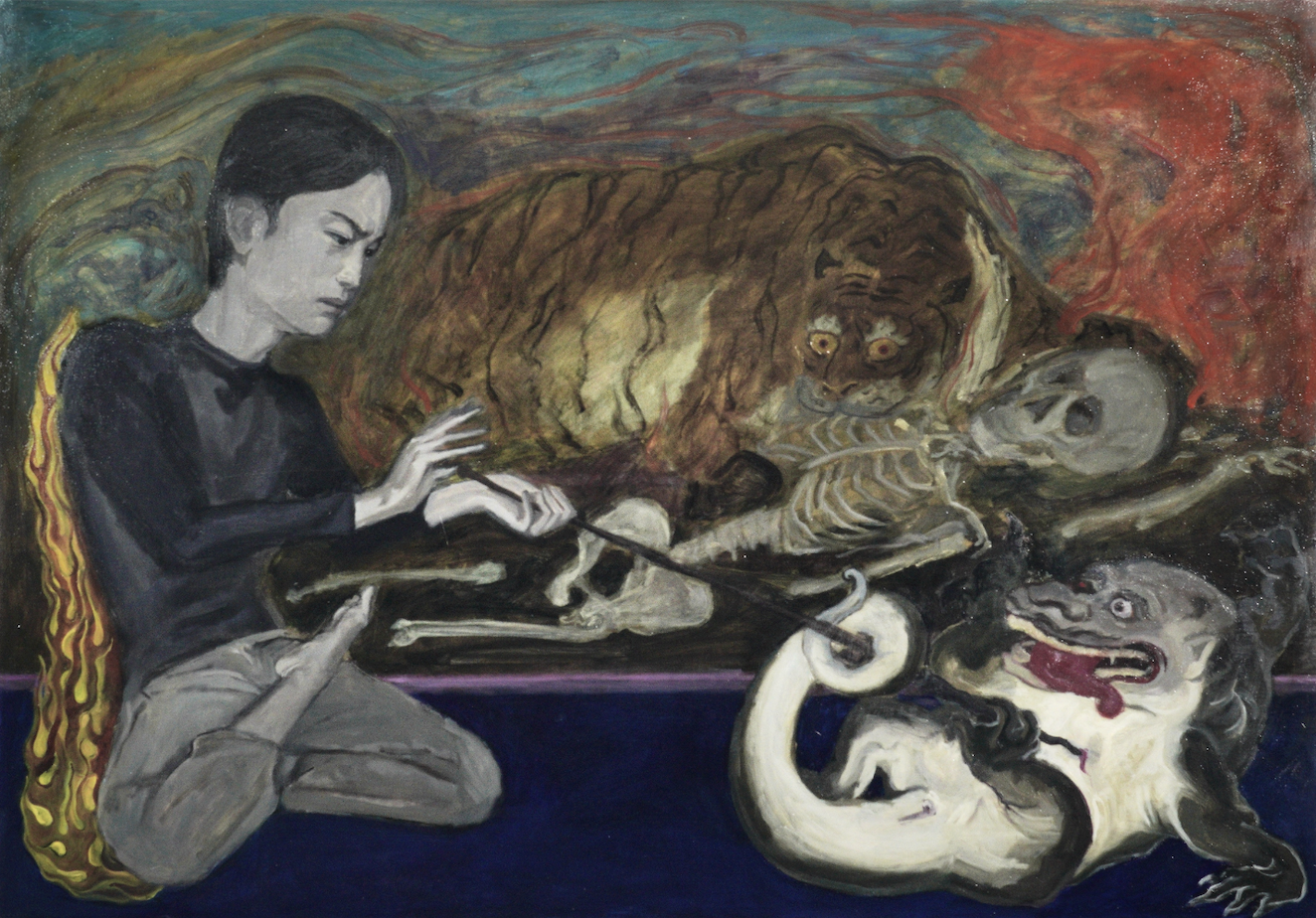
S. Urubingwaru
Stay down, Brother. Listen to me.
2026, oil on canvas, 70 x 100 cm
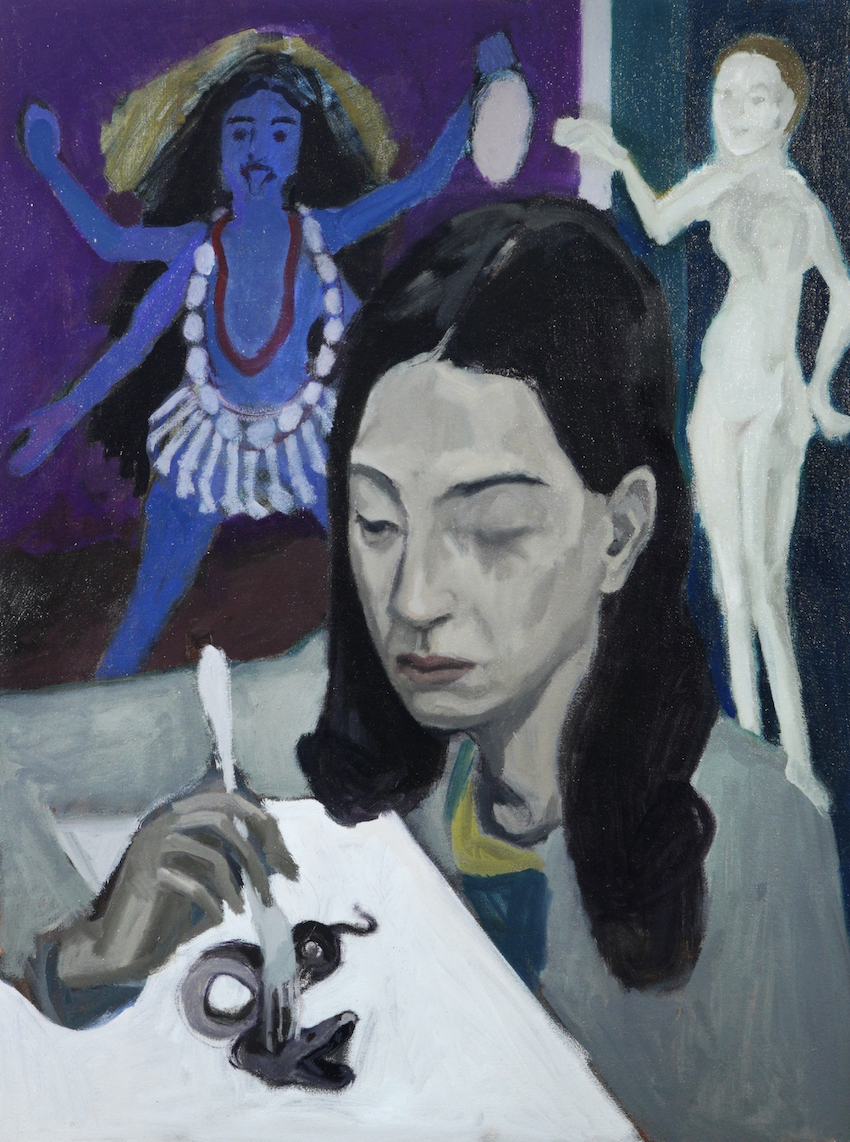
S. Urubingwaru
Say you love me, little boy!
2026, oil on canvas, 80 x 60 cm
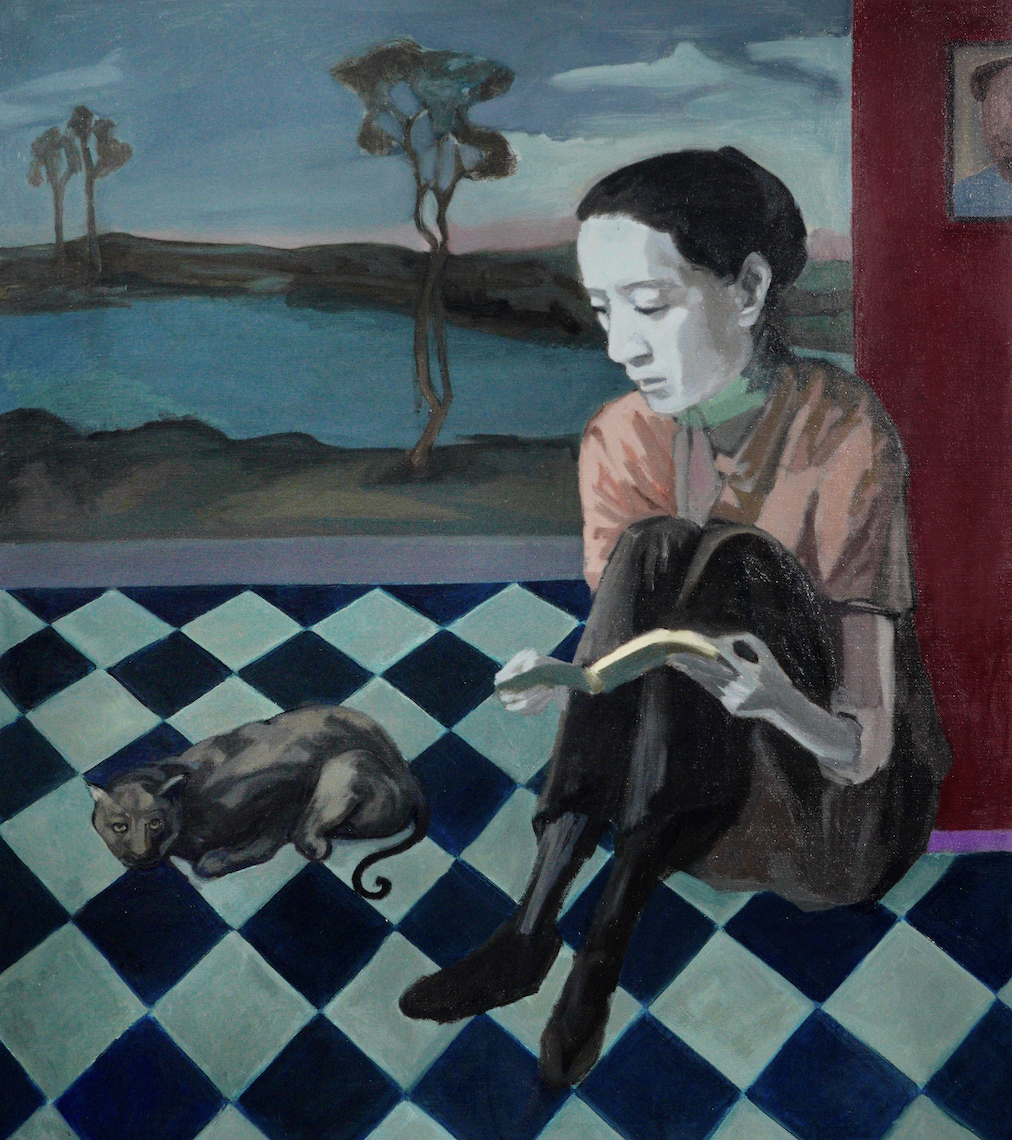
S. Urubingwaru
Do cat have dreams, mr. herzog?
2026, oil on canvas, 90 x 80 cm
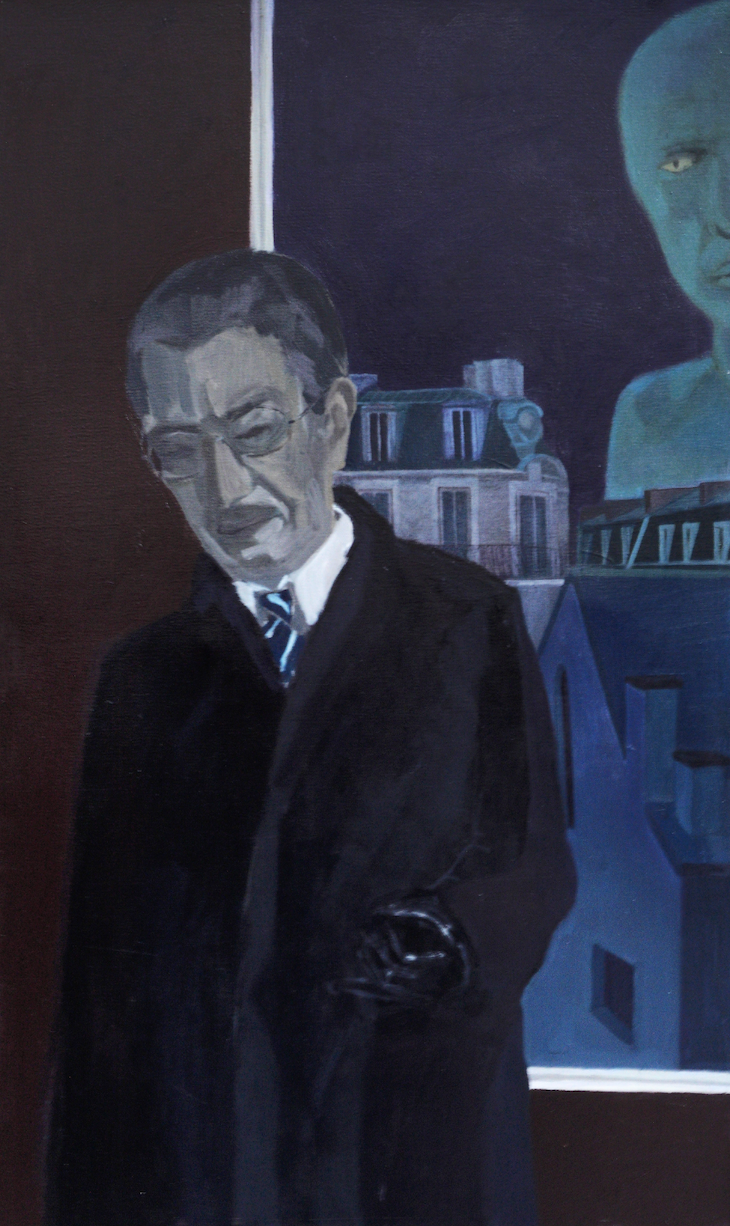
S. Urubingwaru
A Scanner Darkly
2026, oil on canvas, 100 x 60 cm
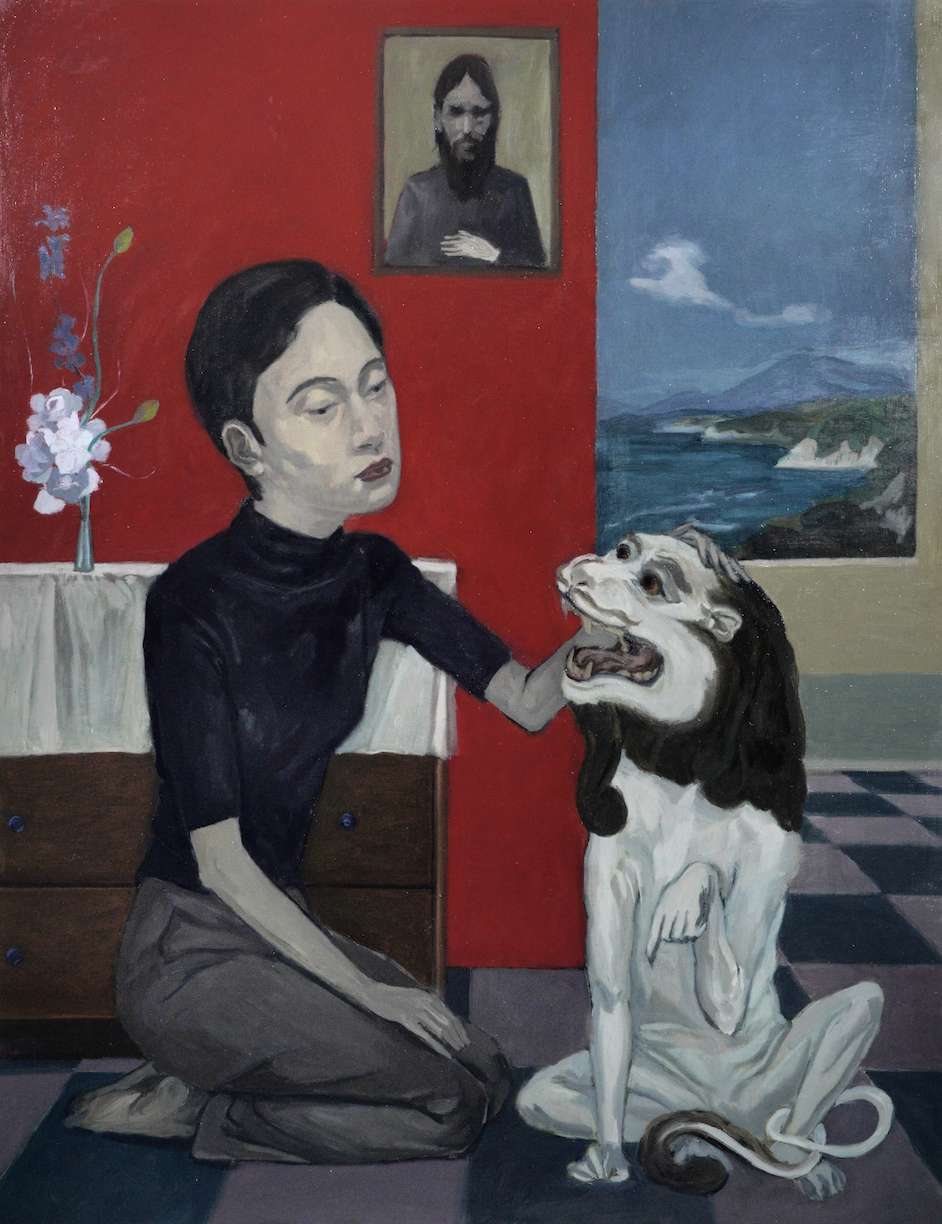
S. Urubingwaru
The private life of a cat
2026, oil on canvas, 109.5 x 84.5 cm
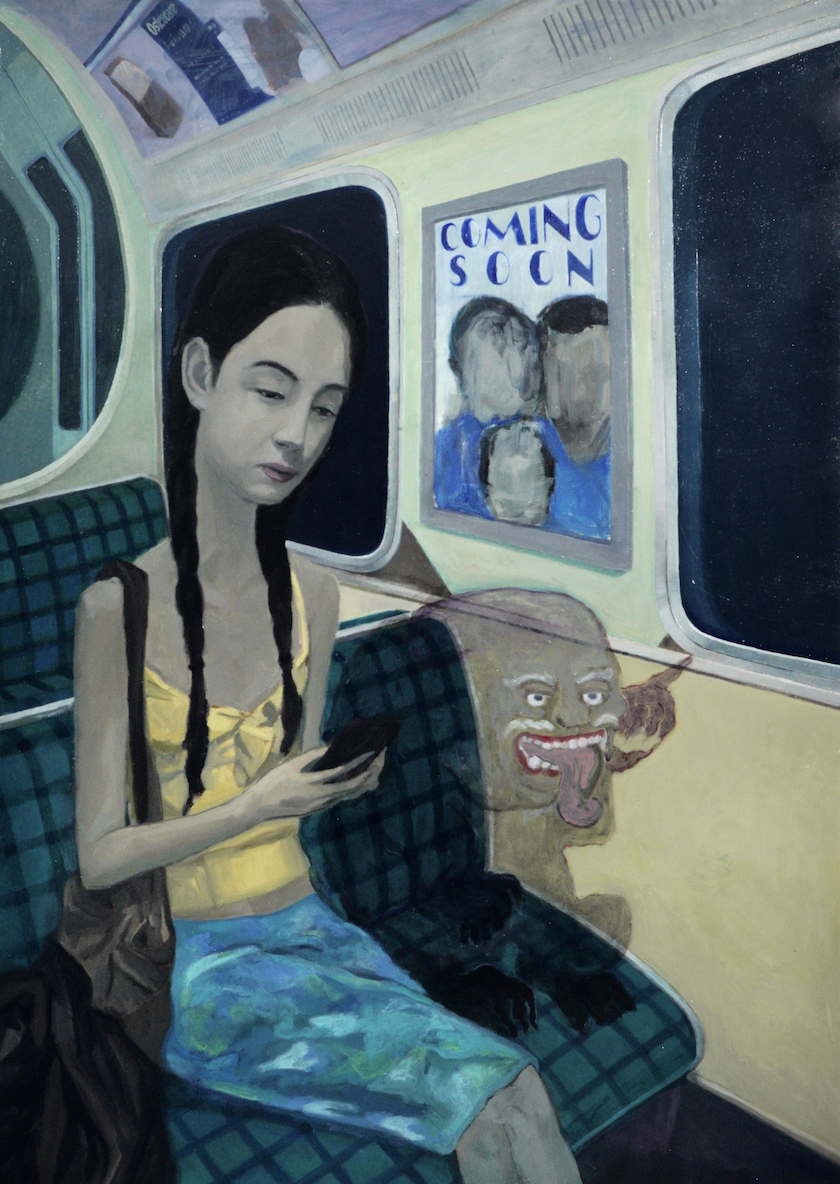
S. Urubingwaru
Manhattan mephistopheles
2026, oil on canvas, 109.5 x 78 cm
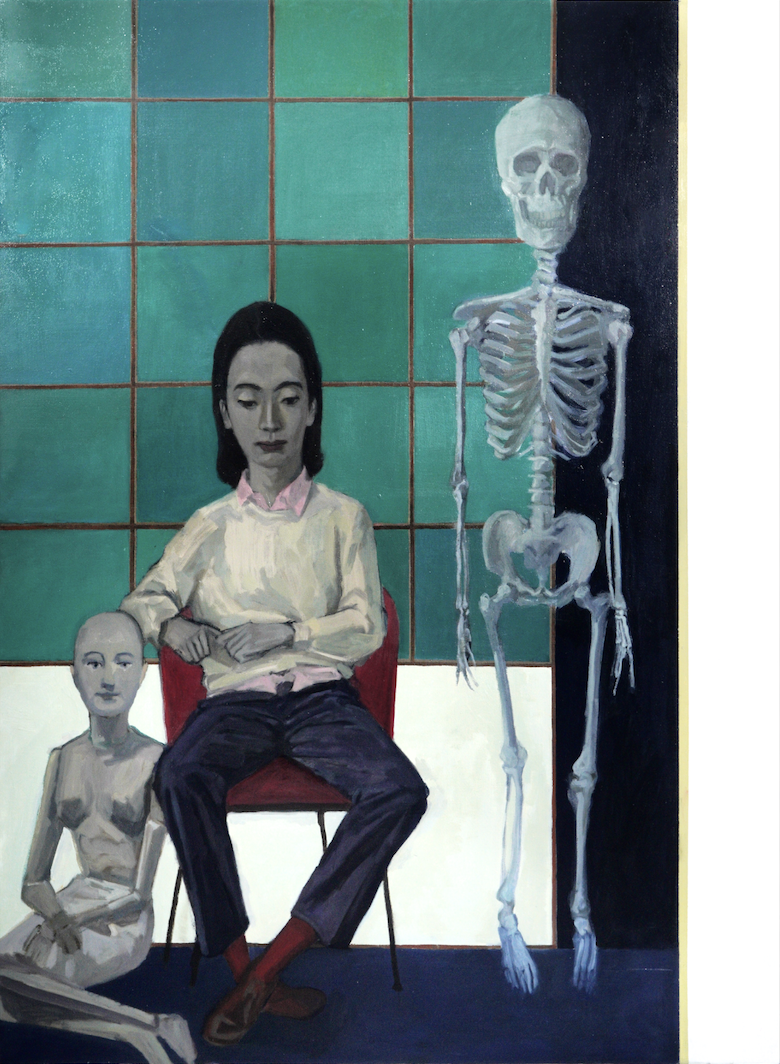
S. Urubingwaru
A rebellious man
2026, oil on canvas, 150 x 110 cm
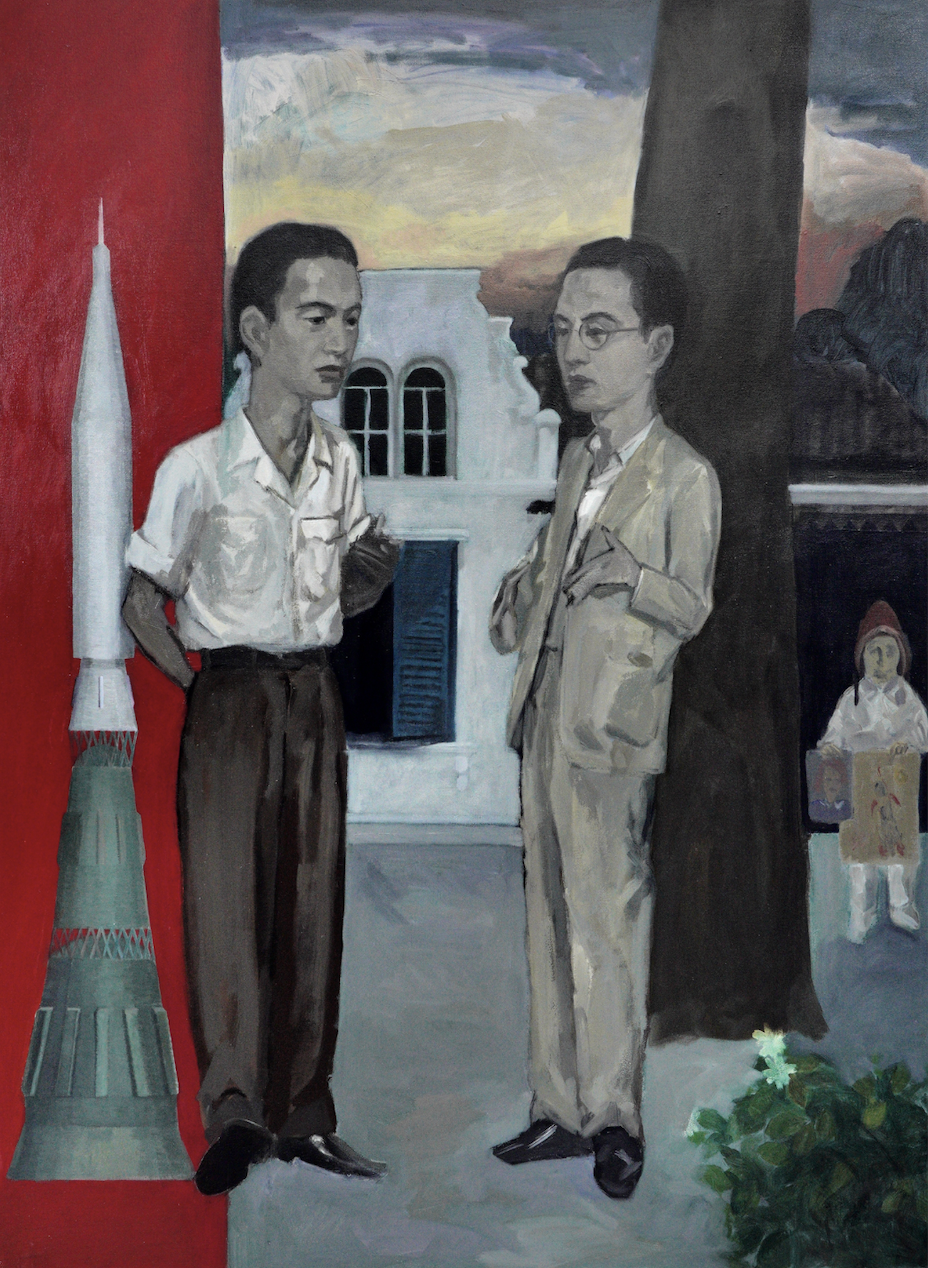
S. Urubingwaru
Get smart (two indonesian communist guys talking about nuclear energy & rocket science).
2026, oil on canvas, 150 x 110 cm
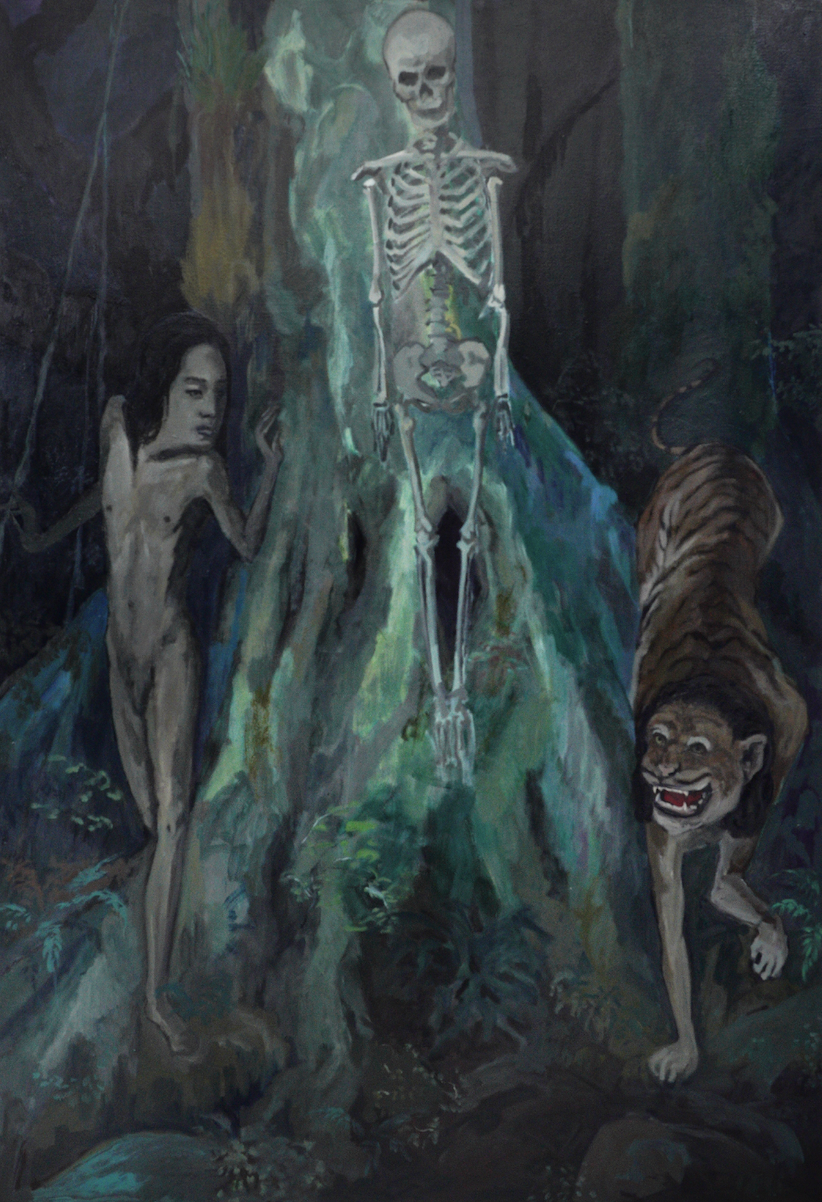
S. Urubingwaru
Tropical malady
2026, oil on canvas, 160 x 110 cm
