Hypnagogia | Tracing Time
23 May - 28 June 2026
ara contemporary, Jakarta, Indonesia
Held in Space, Passing in Time
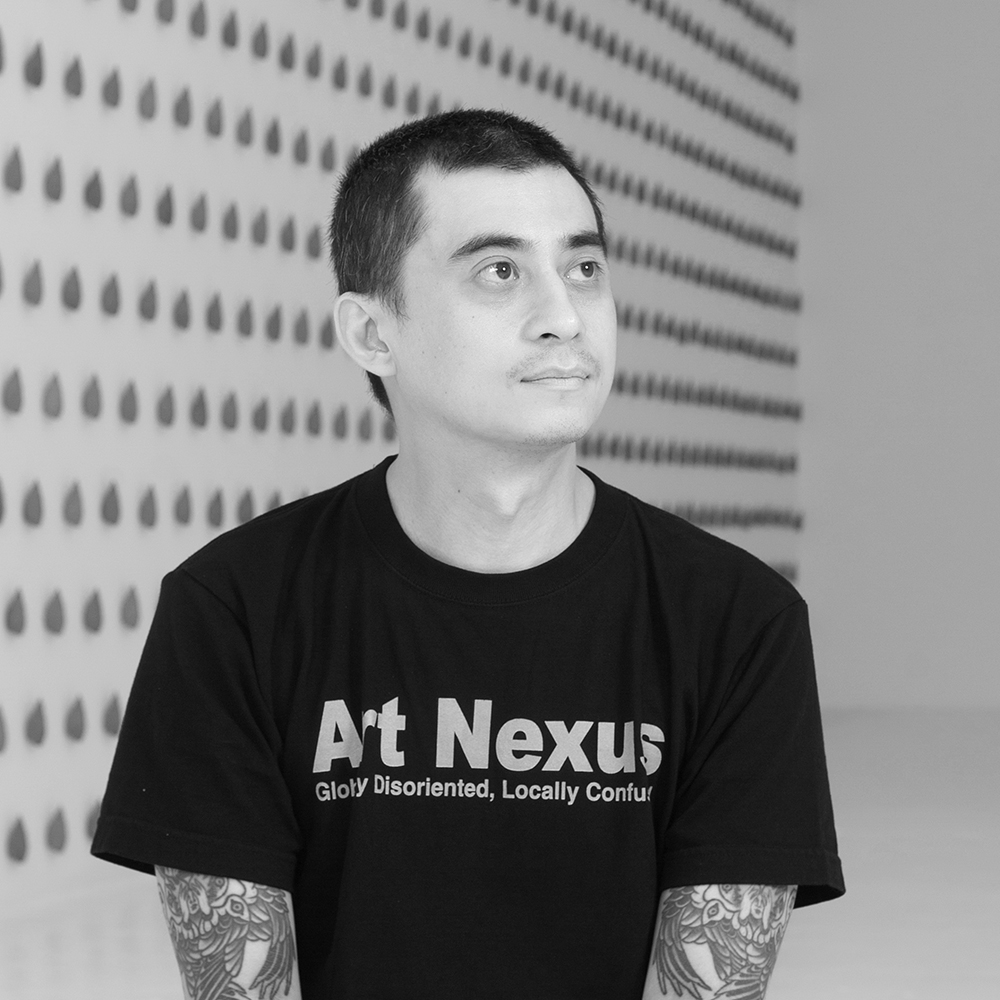
Albert has maintained the same precision and ethical consistency in his practice since I first met him, all the way back in 2009. A meditative quality permeates his oeuvre, evident not only in its physical output but also in the processes of making. My initial understanding of this sensibility emerged through observing his method alone: the iterative multiplication of ceramic pieces through slip-casting until they reach a certain quantity, in the ceramic studio located adjacent to the printmaking studio at the Institut Teknologi Bandung (ITB), where I was studying. Coming from a printmaking background, it was easy for me to relate to the essence of repetition, which, in his work, lies in repeating actions over and over until they eventually transcend their original intent. Over years of conversation and continued acquaintance following our time in Bandung, it has become increasingly apparent that this meditative quality cannot be attributed to repetition alone. The meditative quality present in his work serves as a reflection of the underlying elements that give form to Albert's practice.
Clay has long been associated with the creation of human existence. We often encounter the notion that humans were first shaped from the earth and, in time, return to it. Through clay, or baked clay in this case, he has produced works in ceramic and terracotta; however, since 2018, his practice has focused exclusively on terracotta, which he regards as the closest thing that could be representative of his own cultural and geographical roots. Terracotta retains a strong bodily resonance, echoing the materiality of the human form. Albert noted that throughout Indonesia's long pottery history, terracotta has primarily been used by indigenous potters nationwide to produce domestic objects. Within this framework, he employs clay as a means to reflect on philosophical questions of time, being, and existence. Its plasticity lends itself to processes of replication and repetition, which he activates through the technique of slip-casting. Given its efficiency, slip-casting has been widely adopted within industrial modes of production, especially in the manufacture of tableware. Transposed into an artistic context, however, the method unsettles notions of authenticity, foregrounding the tension between repetition and the trace, or perhaps erasure, of the artist's hand.
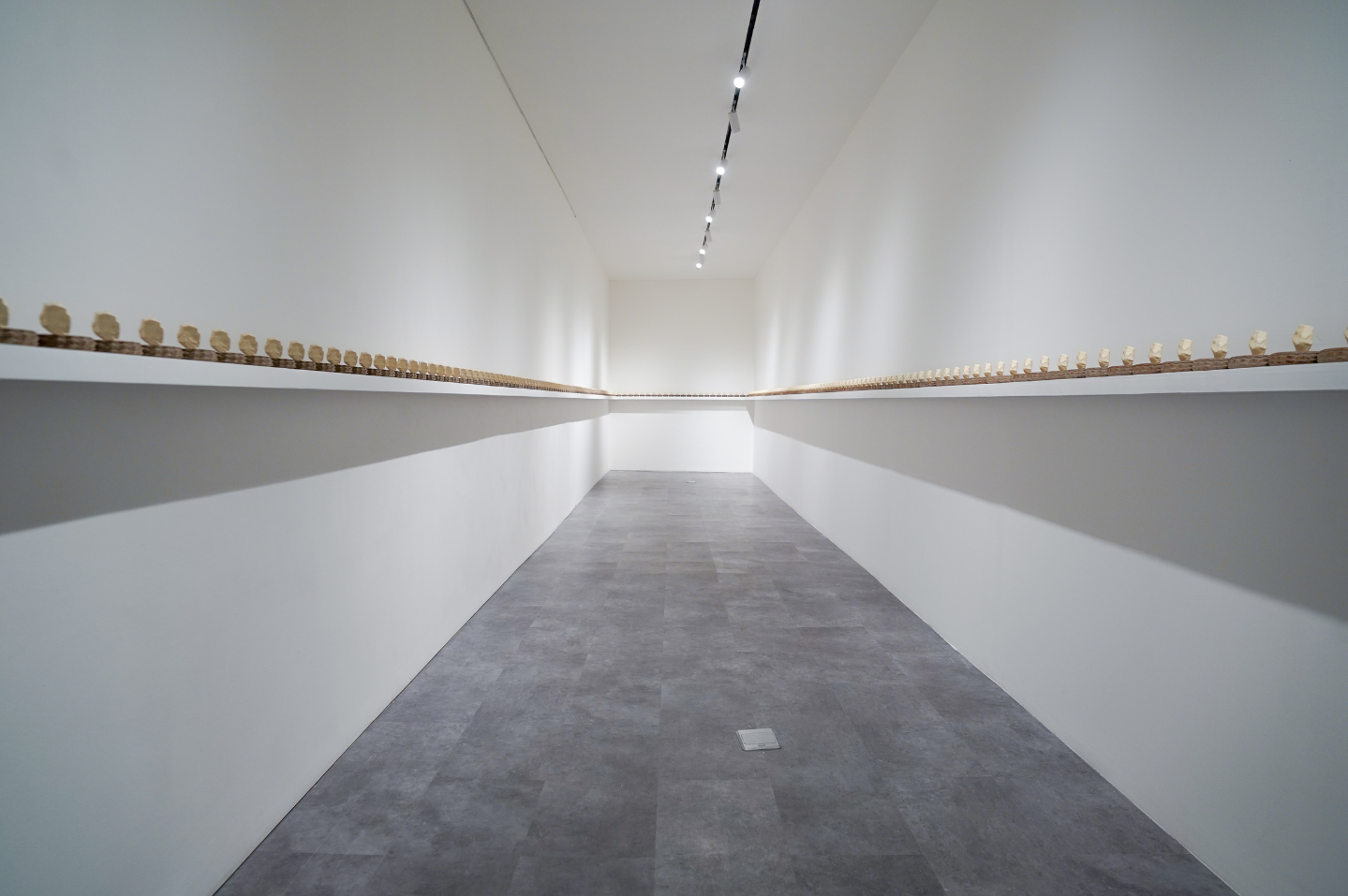
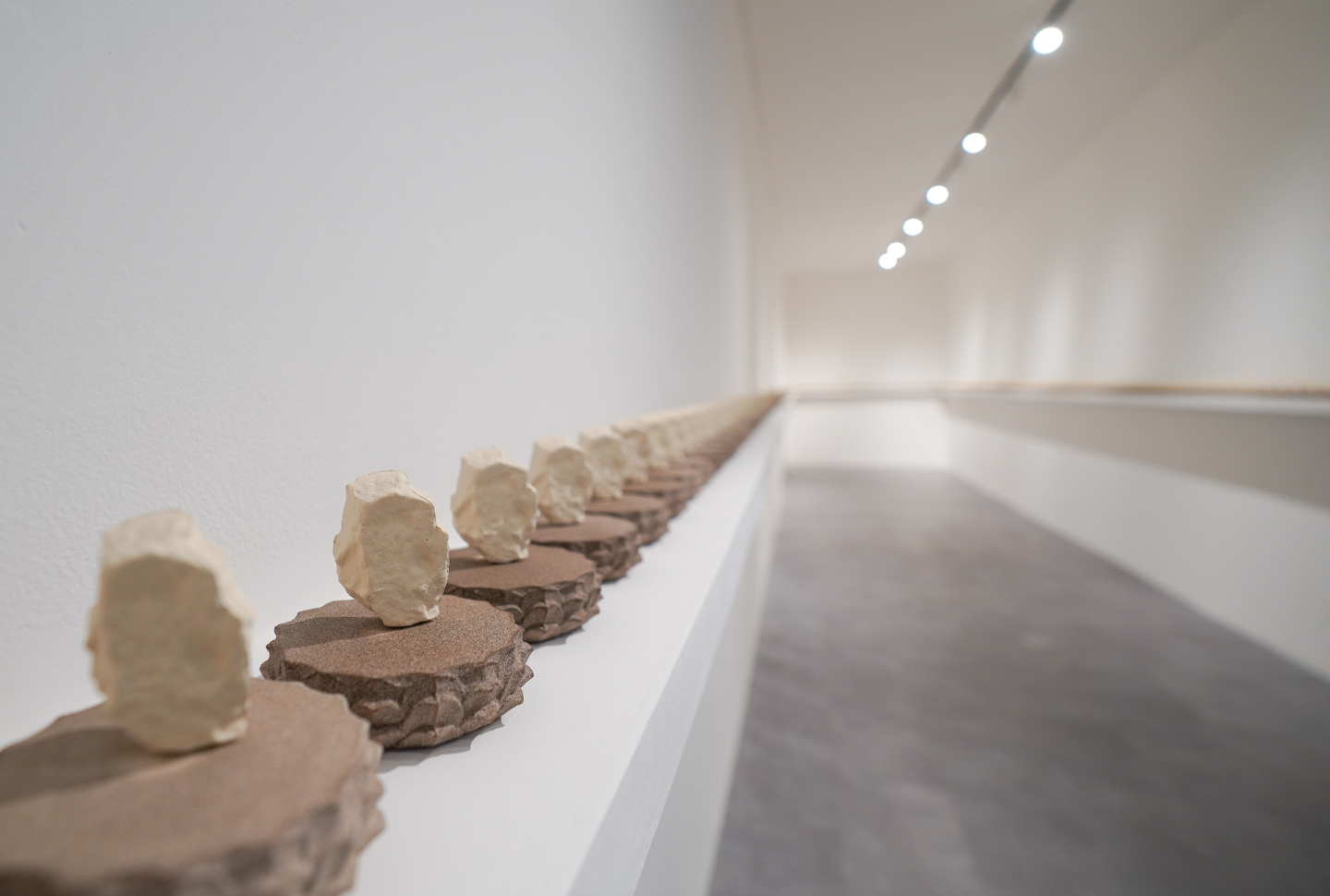
The contradictory nature of accuracy in replication and traces, in relation to slip-casting, is explored in works such as Annica. The first work in this series, Annica: Sticks and Stones (2024), was presented in the Indian Ocean Craft Triennale (IOTA24), at John Curtin Gallery, WA, Australia. The body of work consists of over 1000 terracotta pieces replicated through slip-casting using a single mould. Each piece follows the mould until it gradually loses detail and form through a painstaking process of repeated casting, challenging the technique's premise of exact reproduction. Initially, I understood this process as a continuous reduction of form toward nothingness; however, Albert maintains that there is no such thing as nothing—there is always form. His process embodies how time transforms form, tracing time through physical action and material presence. Annica, stemming from a foundational Buddhist concept, becomes a realistic observation that all things are always changing.
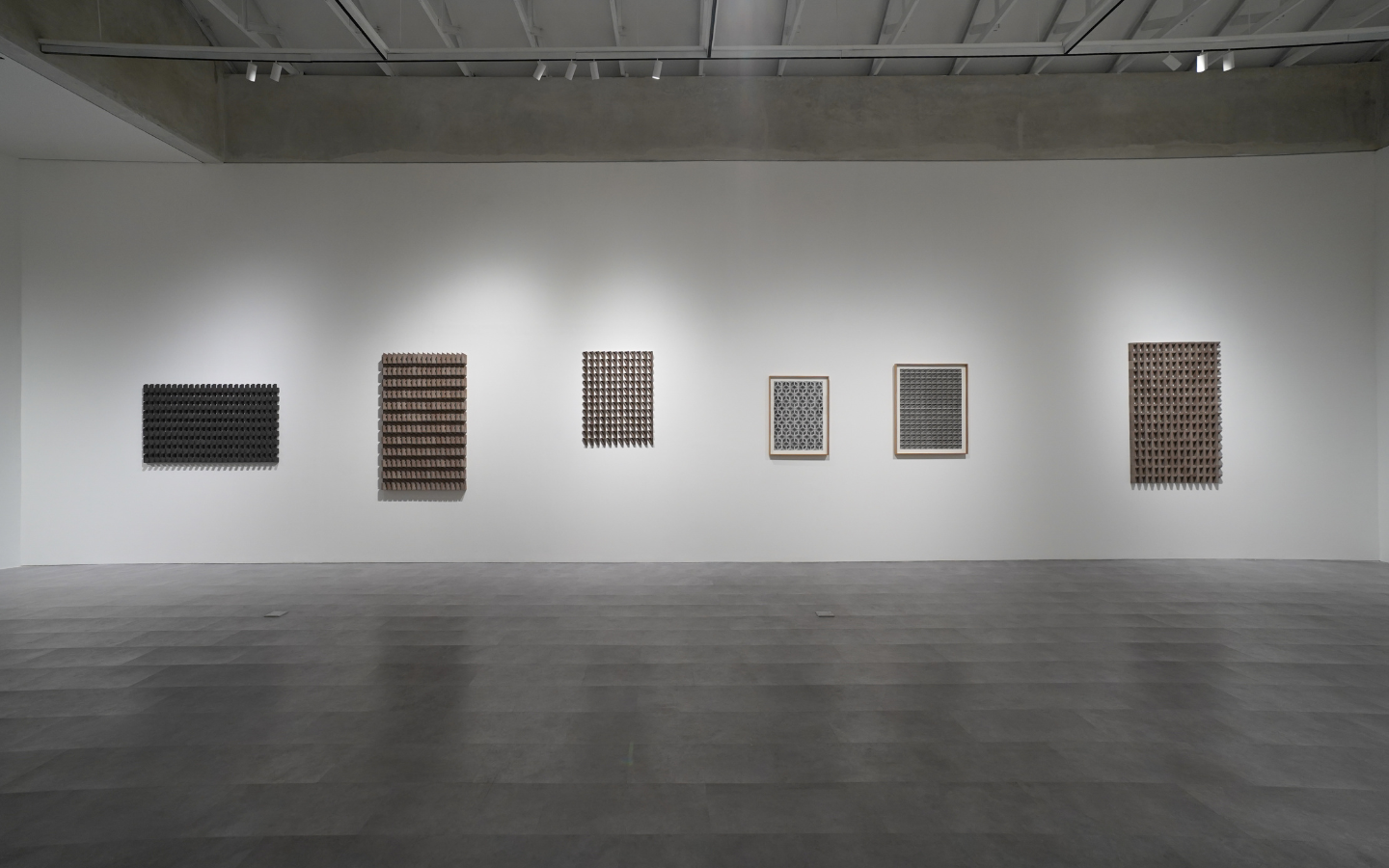
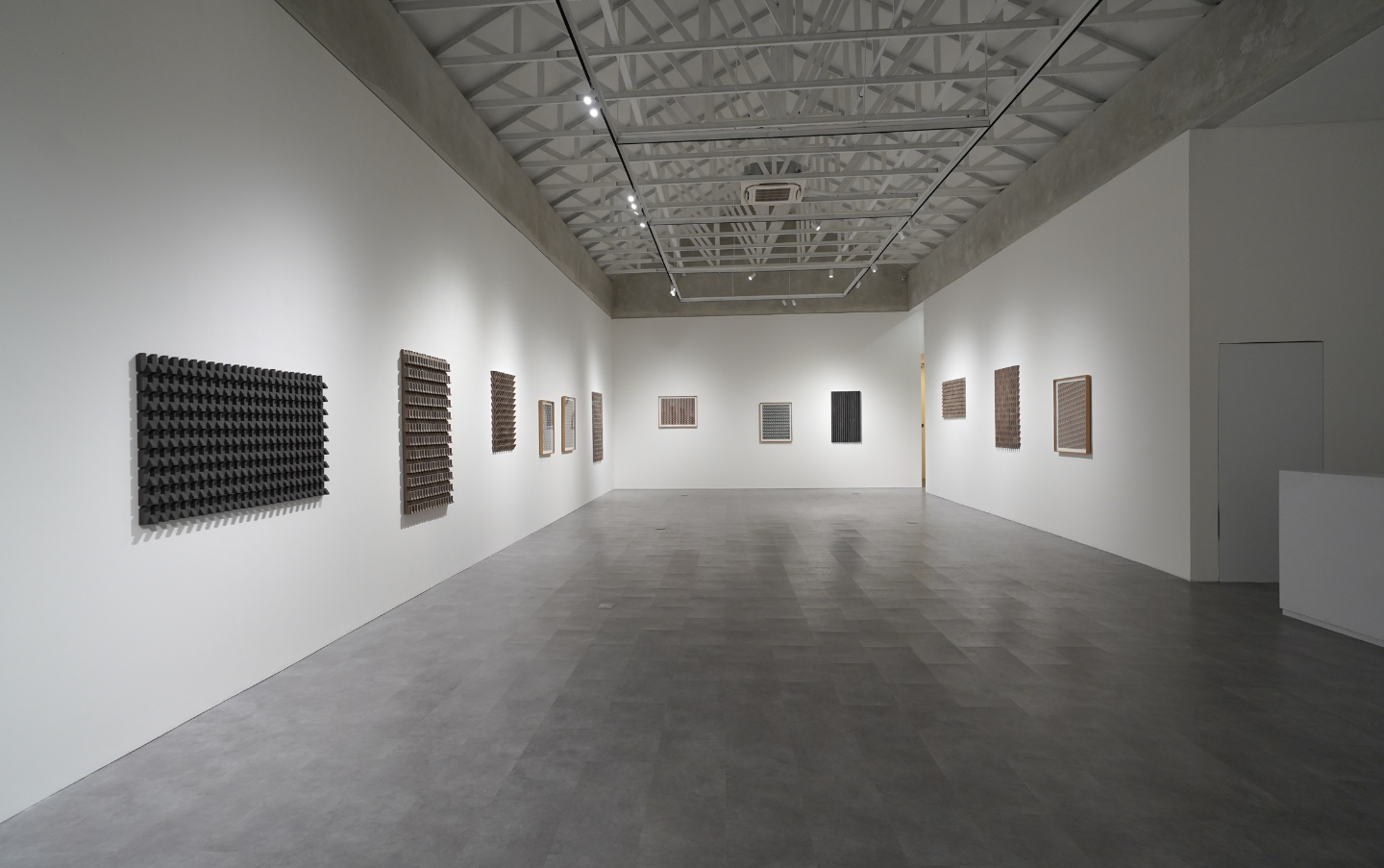
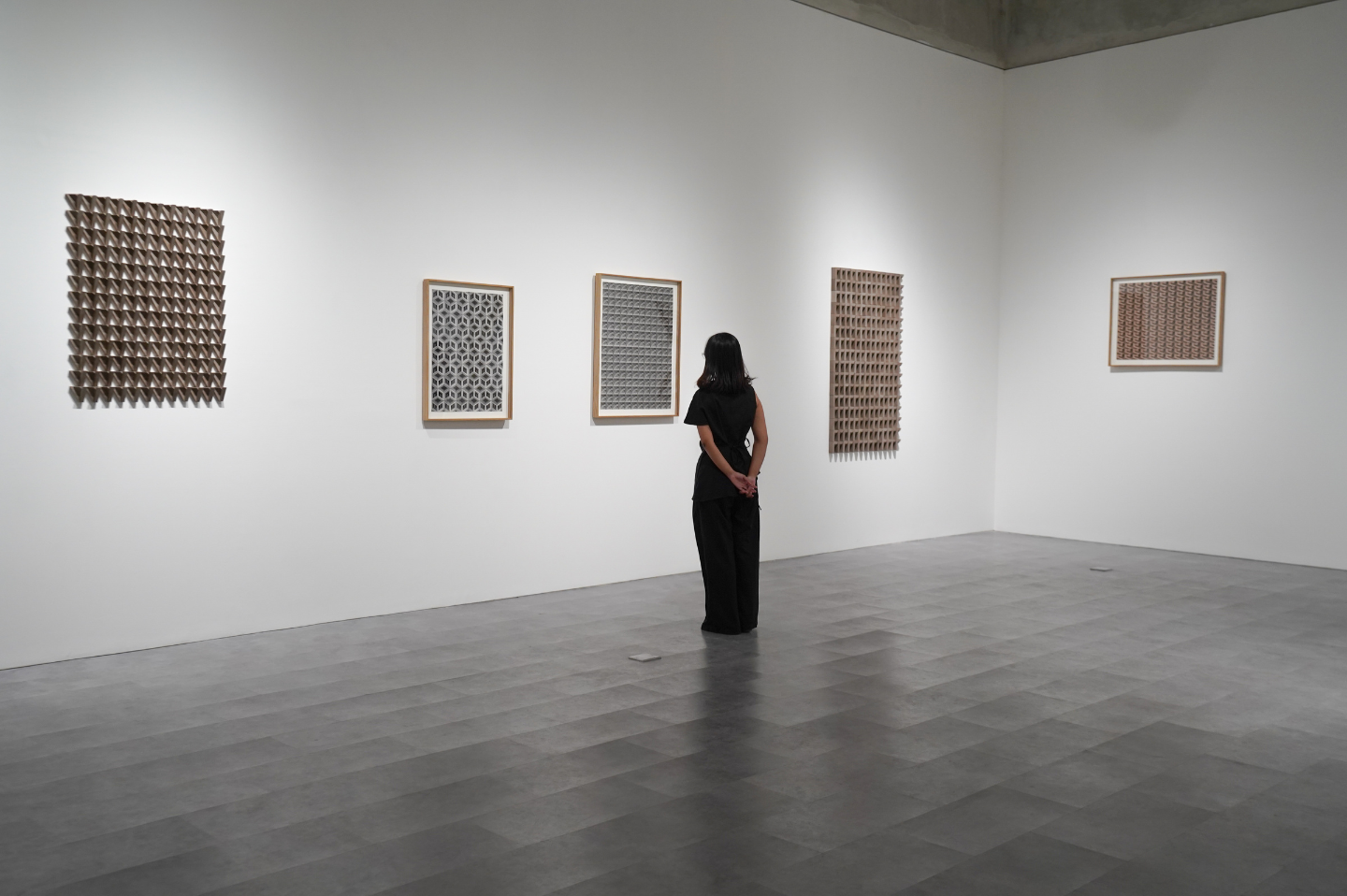
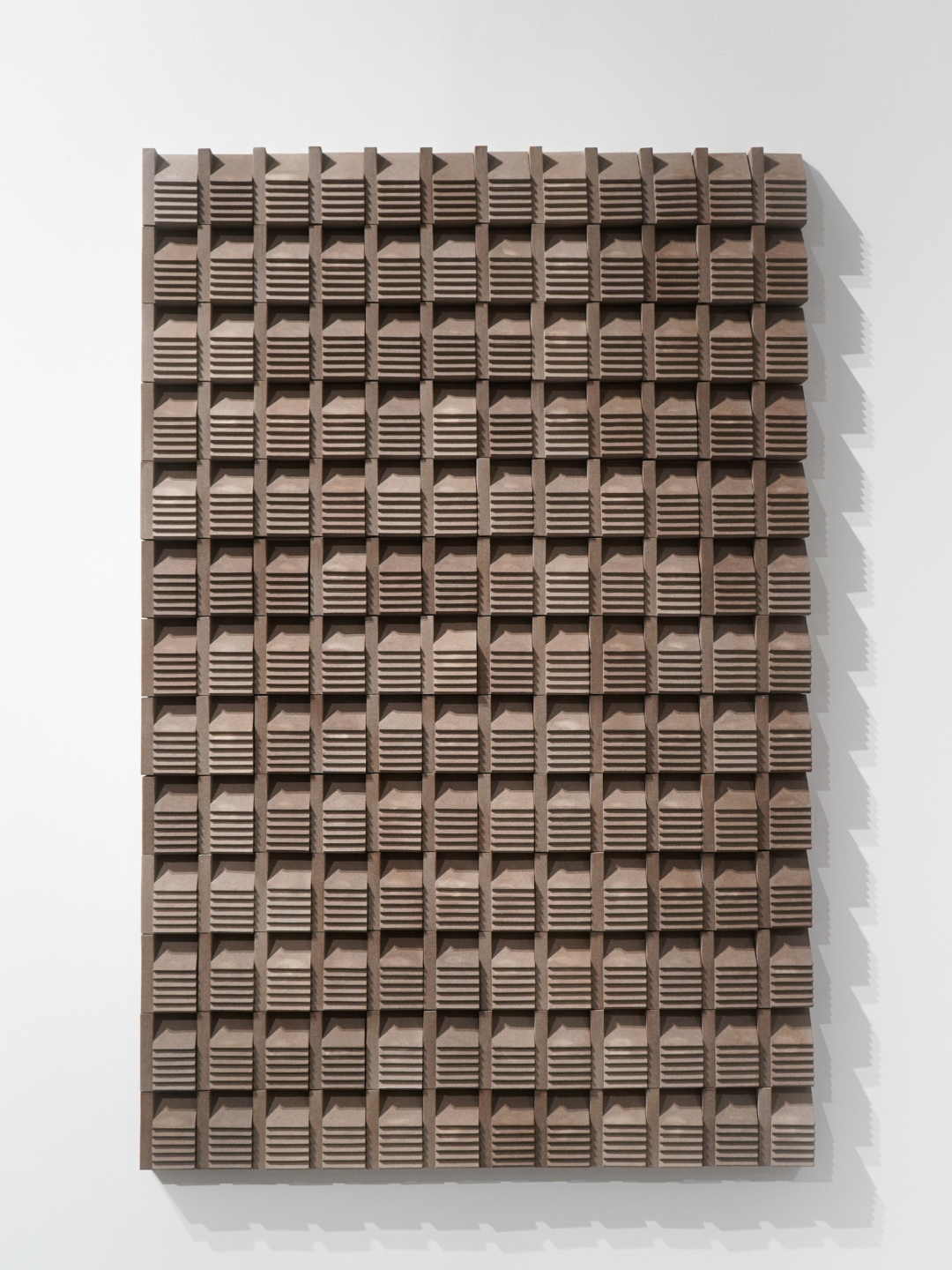
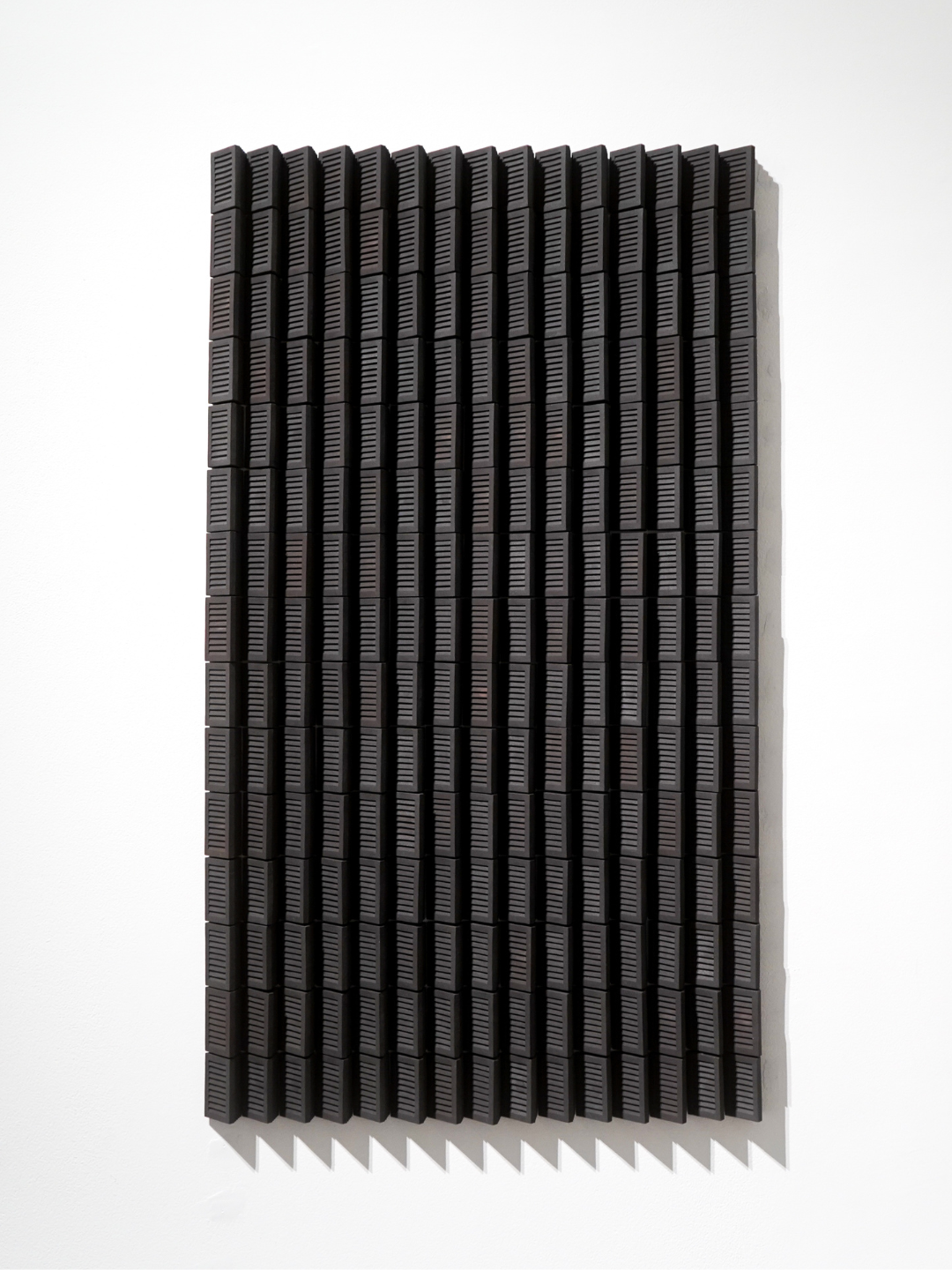
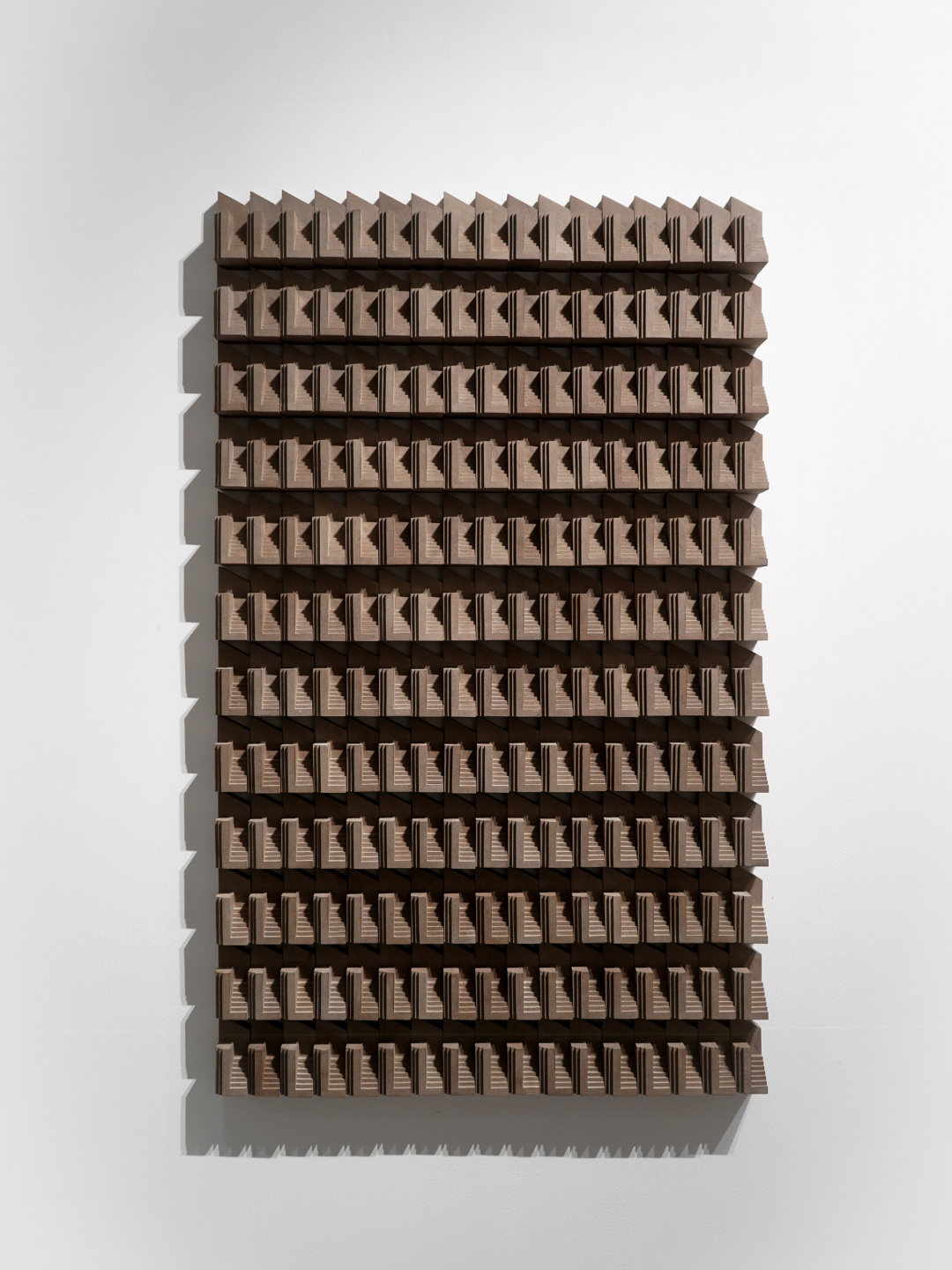
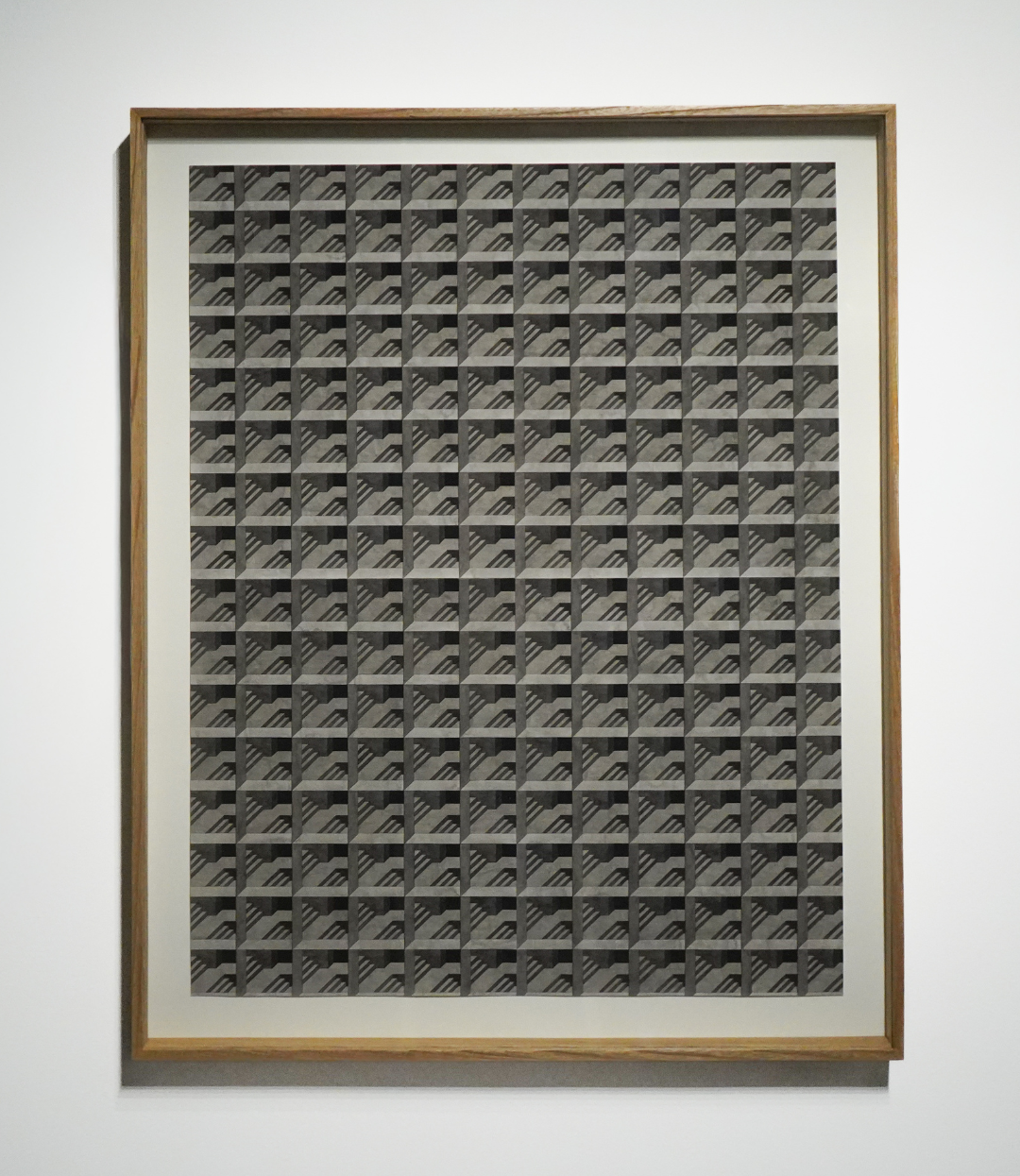
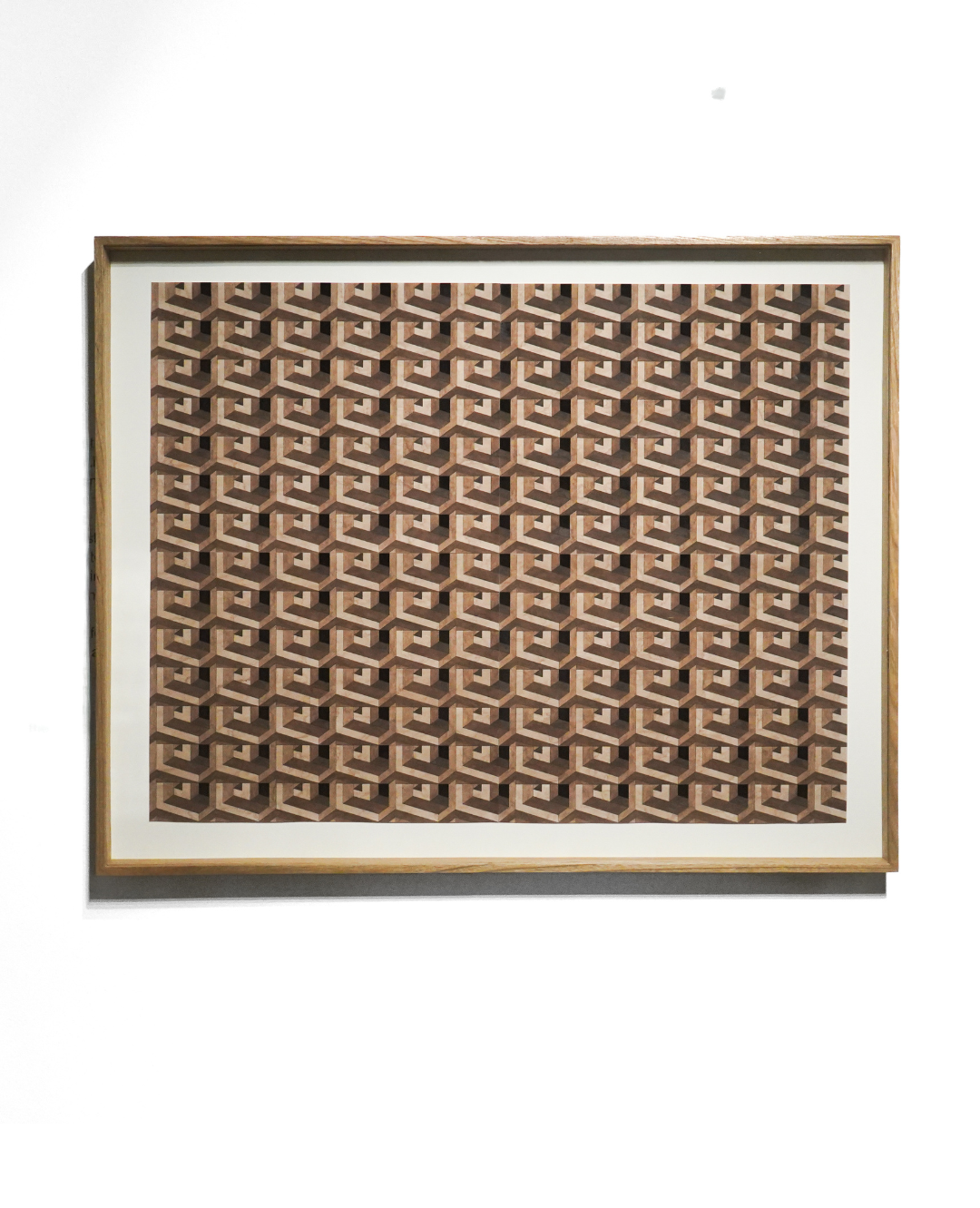
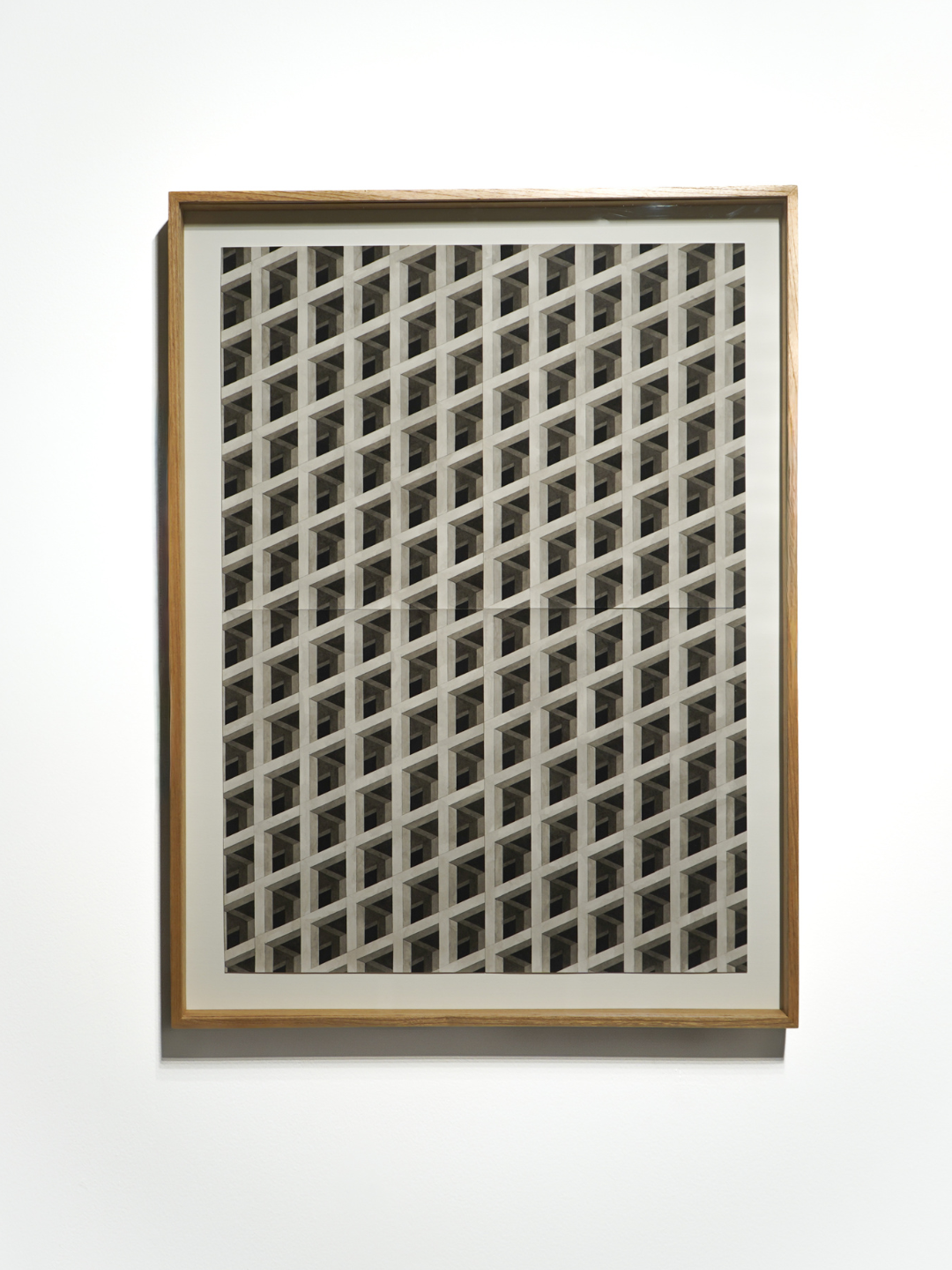
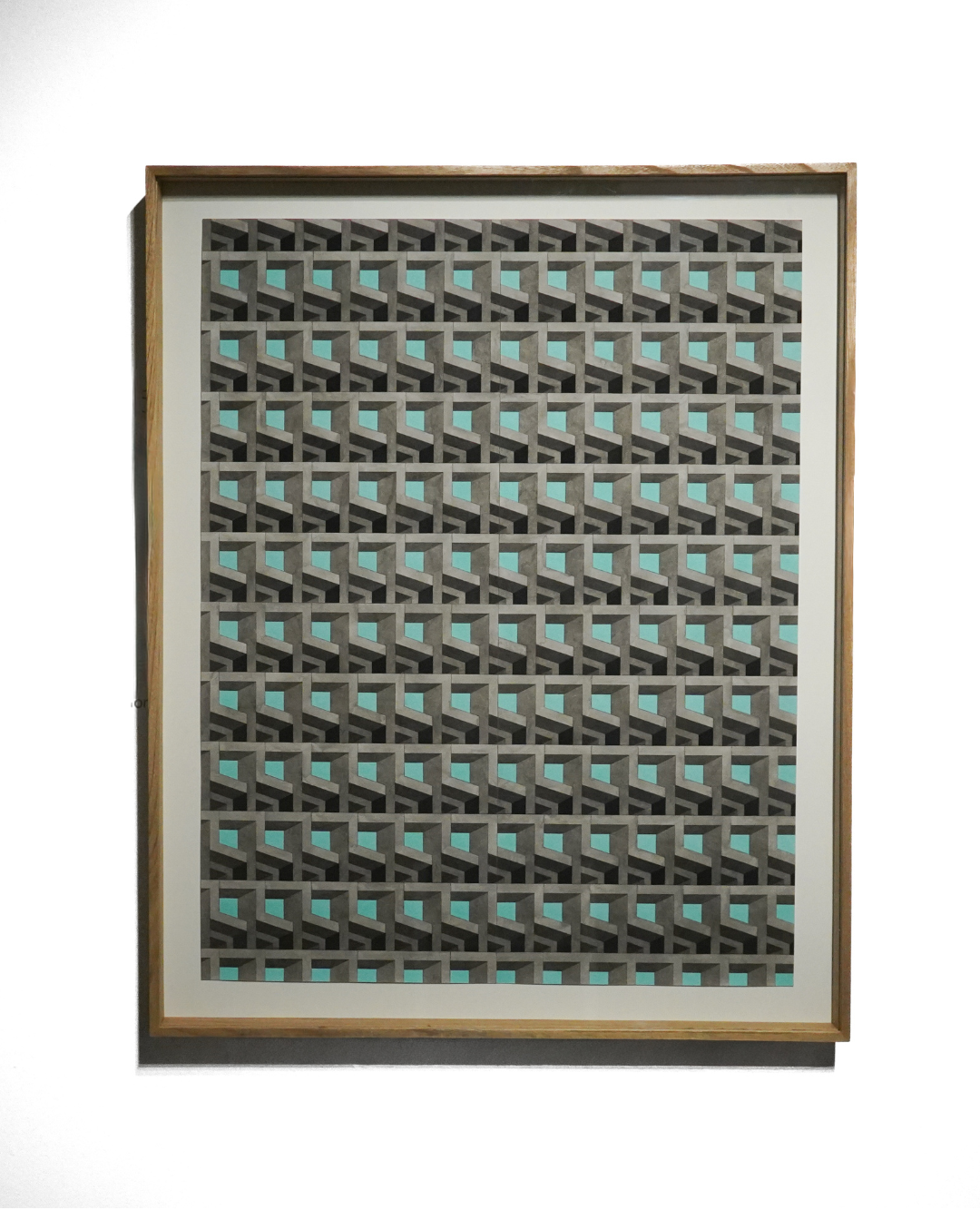
Hypnagogia further explores the theme of change. The works draw from familiar elements of interior and exterior architectural spaces, treated as modules that are repeated to construct vertical and horizontal planes, suggesting larger built forms. Each module is a self-contained image rendered in single-point perspective, where forms recede toward a vanishing point. When assembled in their entirety, much like mosaic tiles, they are geometrically arranged into planes that hold multiple perspectives at once, suggesting spatial impossibilities or 'illogical' spaces. We often perceive space as a fixed container; yet our surroundings in urban cityscapes, as static as they may seem, are in constant flux, shaped over overlapping periods of time and human intervention until they begin to lose coherence. This is evident in the works, which appear orderly in their individual parts but reveal increasing spatial illogic when expanded into a larger whole. Hypnagogia also extends Albert's contemplation on existence, positioning space as an extension of bodily presence in the world. The mind constructs divisions between inside and outside, self and world. This perhaps underlies the long tradition of architectural metaphors used to describe the mind, such as 'a window into the mind', 'corridors of memory', and other spatial analogies.
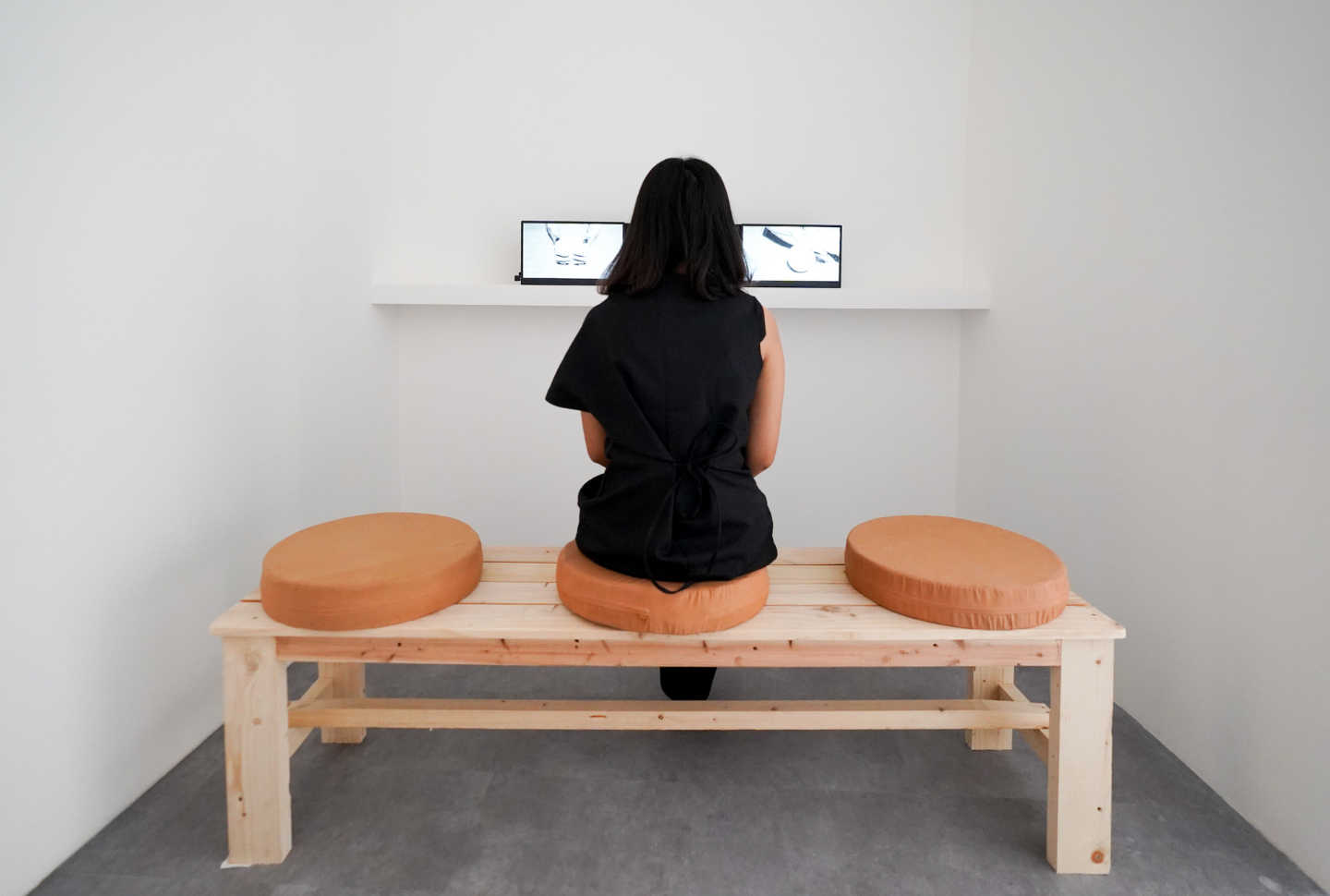
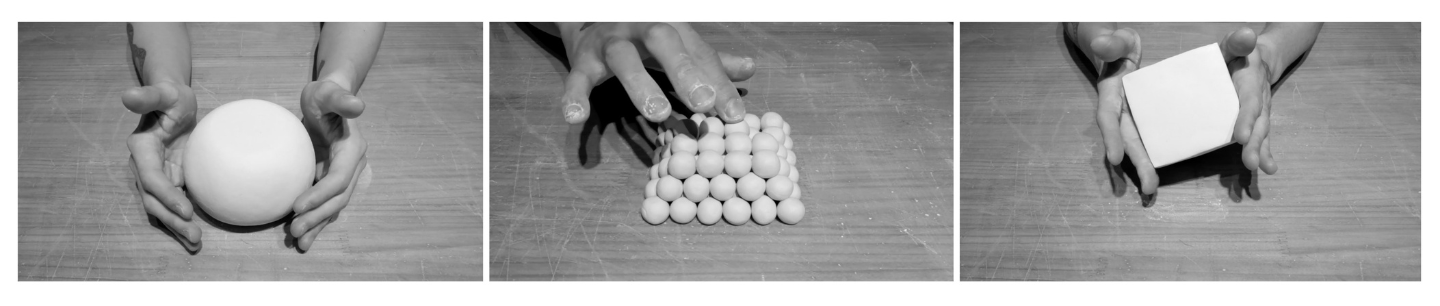
Squaring the Circle - Circling the Square captures the desire to control what resists control through form. The three-channel video documents Albert's attempts to transform a cube into a sphere and vice versa. However, neither form resolves into perfection: the sphere is never fully spherical, nor the cube fully cubic, as he humorously remarks that even the world itself is not a perfect sphere. The repeated failure highlights the collapse of ideal systems when subjected to repetition, expansion, and time. Through these reflections, Albert's solo exhibition Hypnagogia | Tracing Time ultimately questions our existence within time and space, and the impossibility of overcoming them. As quiet as the works may feel, within them lies a record of time and transformations. In this sense, even stillness carries a contradiction within itself: nothing, no matter how static it appears, can ever truly remain the same.
Megan Arlin
Artists
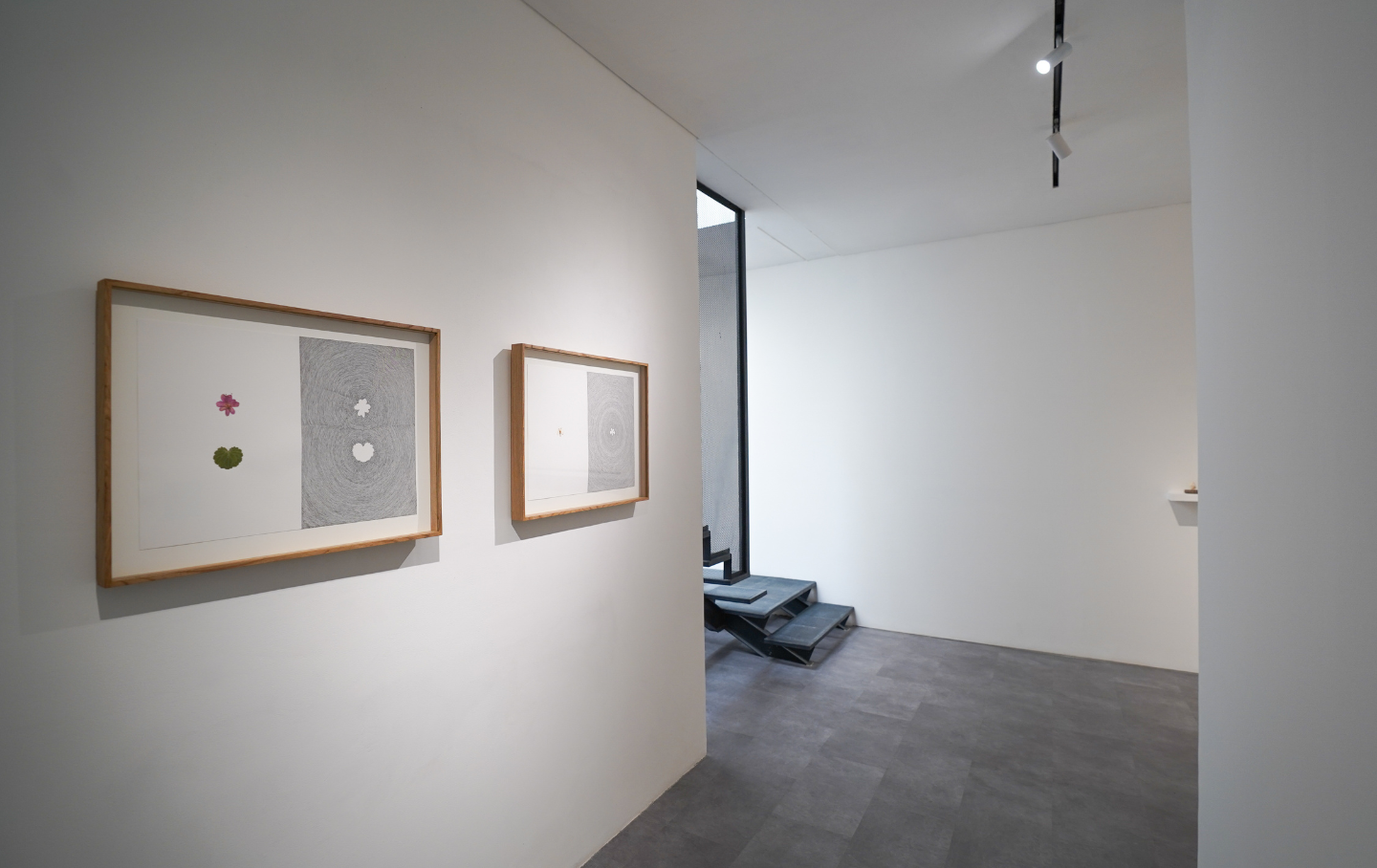
Exhibition View
Artworks
Albert Yonathan Setyawan
Form Constants - Spatial Tessellation #6 (Roofs)
2026, terracotta, 101 x 67 x 3 cm (156 pcs)
Albert Yonathan Setyawan
Form Constants - Spatial Tessellation #7 (Windows)
2026, terracotta, 119 x 68 x 4 cm (165 pcs)
Albert Yonathan Setyawan
Form Constants - Spatial Tessellation #8 (Walls & Stairs)
2026, terracotta, 140.5 x 86 x 6 cm (204 pcs)
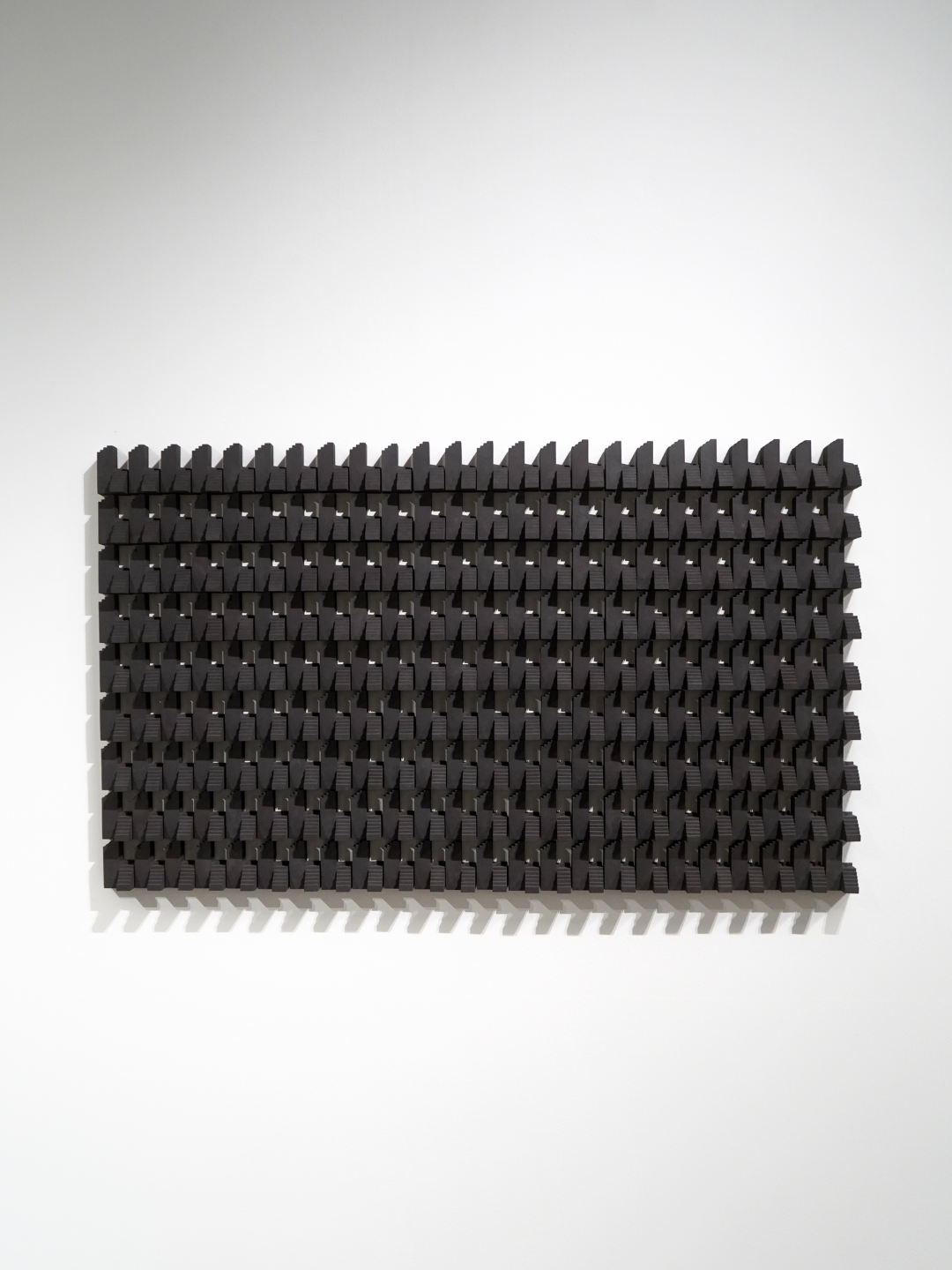
Albert Yonathan Setyawan
Form Constants - Spatial Tessellation #9 (Pillars & Stairs)
2026, terracotta, 80.5 x 103.6 x 4.5 cm (216 pcs)
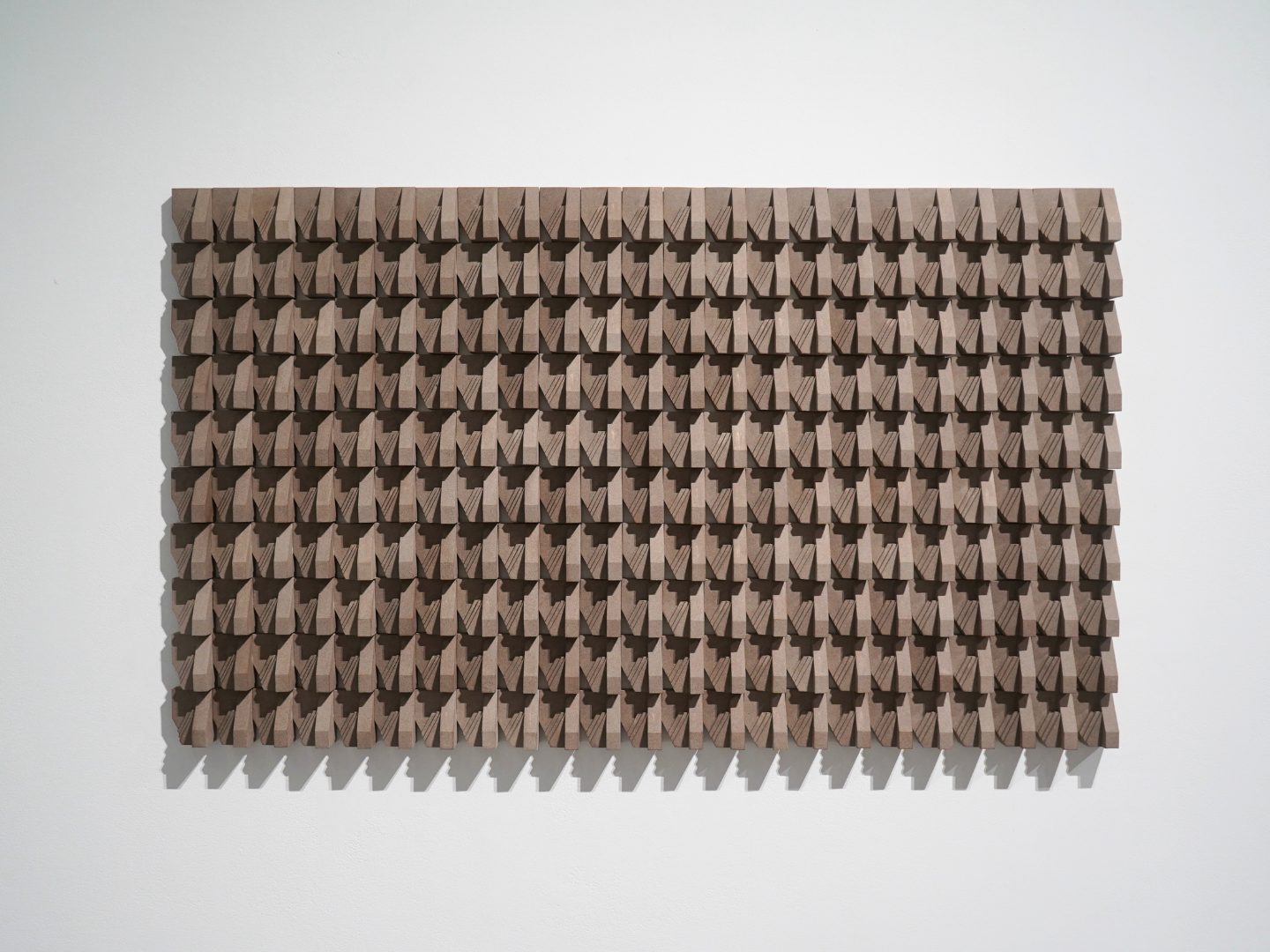
Albert Yonathan Setyawan
Form Constants - Spatial Tessellation #10 (Beams)
2026, terracotta, 70 x 118 x 4.2 cm (230 pcs)
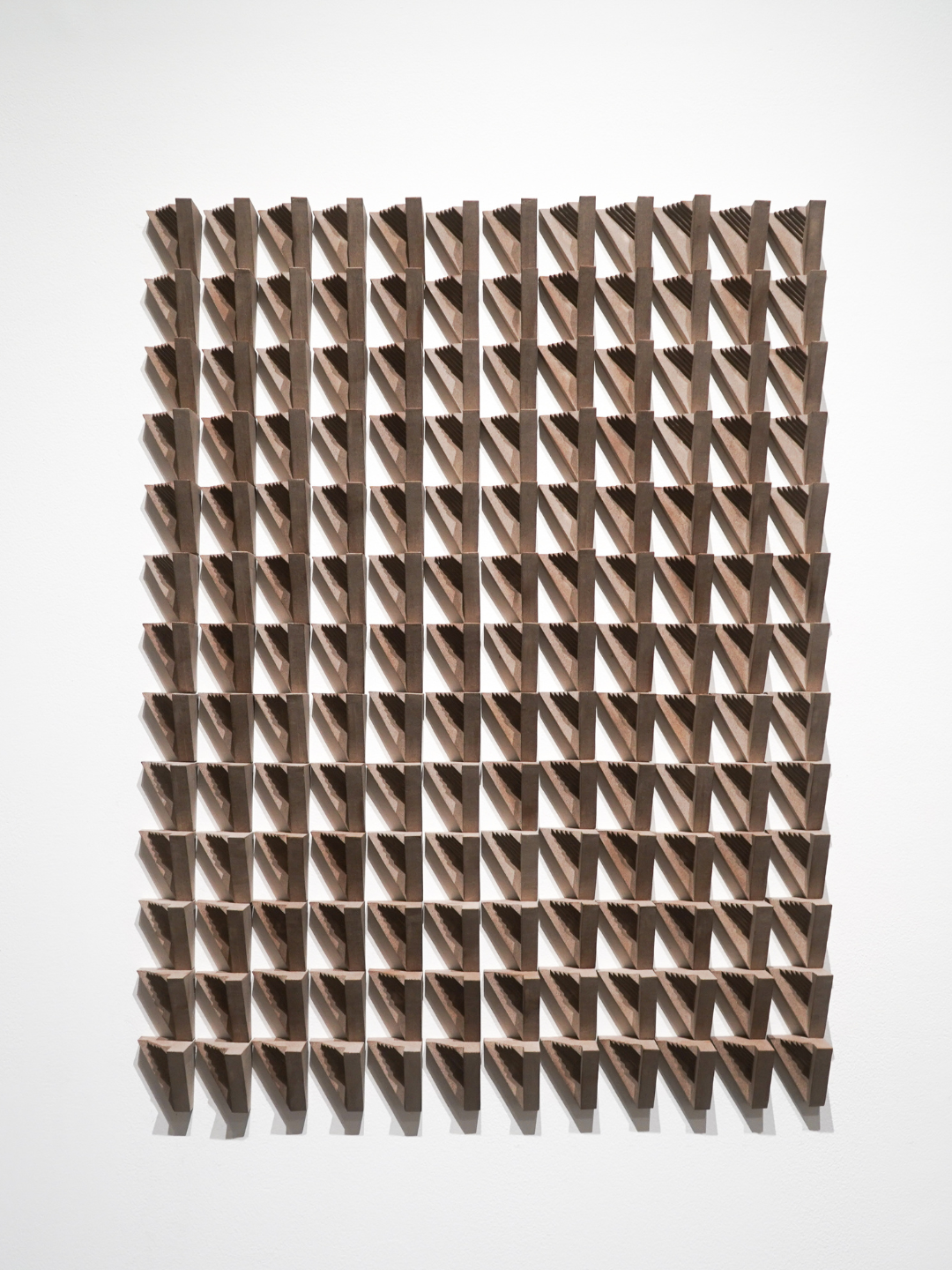
Albert Yonathan Setyawan
Form Constants - Spatial Tessellation #11 (Piers)
2026, terracotta, 94 x 72 x 6 cm (156 pcs)
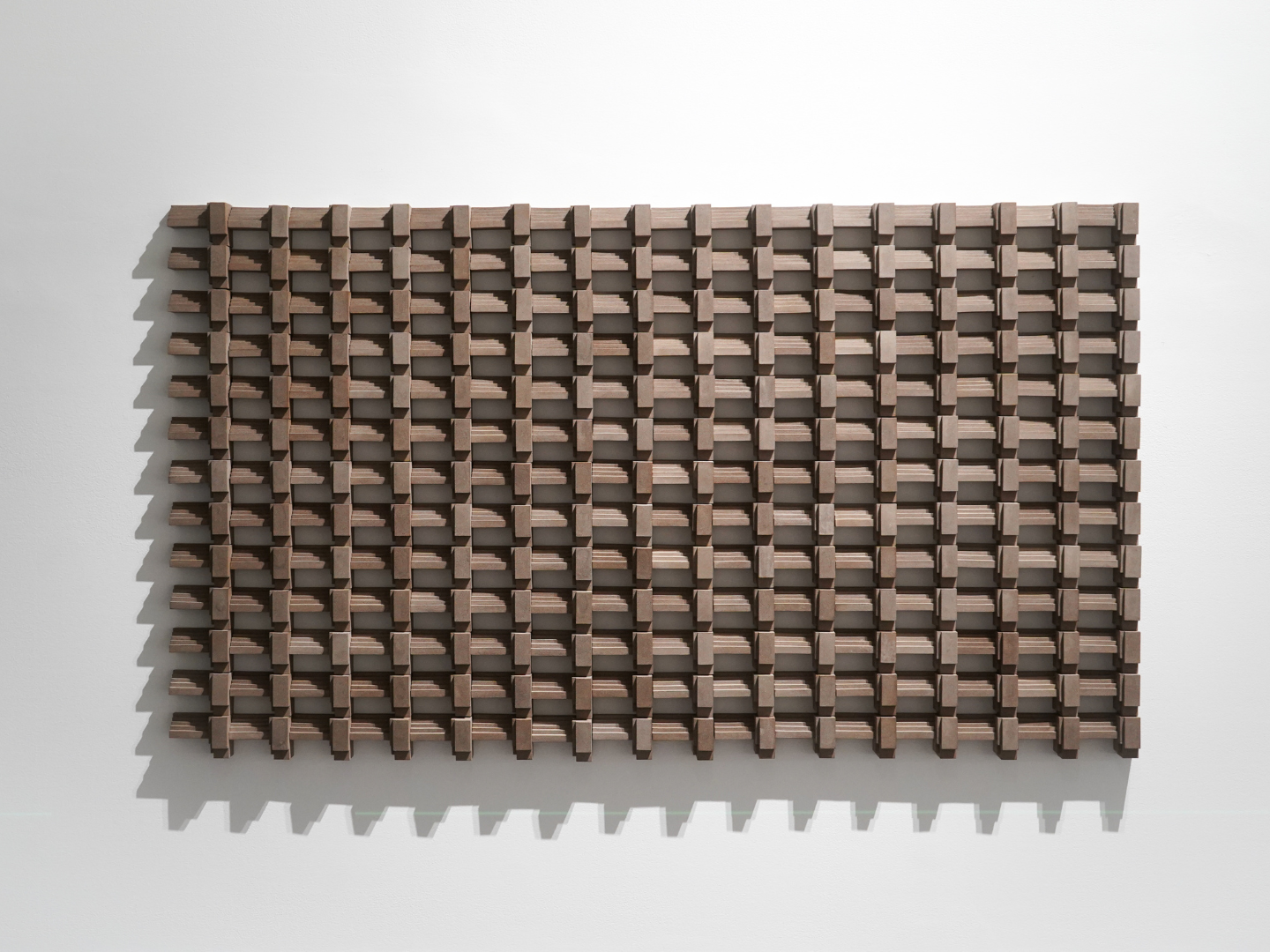
Albert Yonathan Setyawan
Form Constants - Spatial Tessellation #12 (Beams & Columns)
2026, terracotta, 89.5 x 156 x 5 cm (208 pcs)
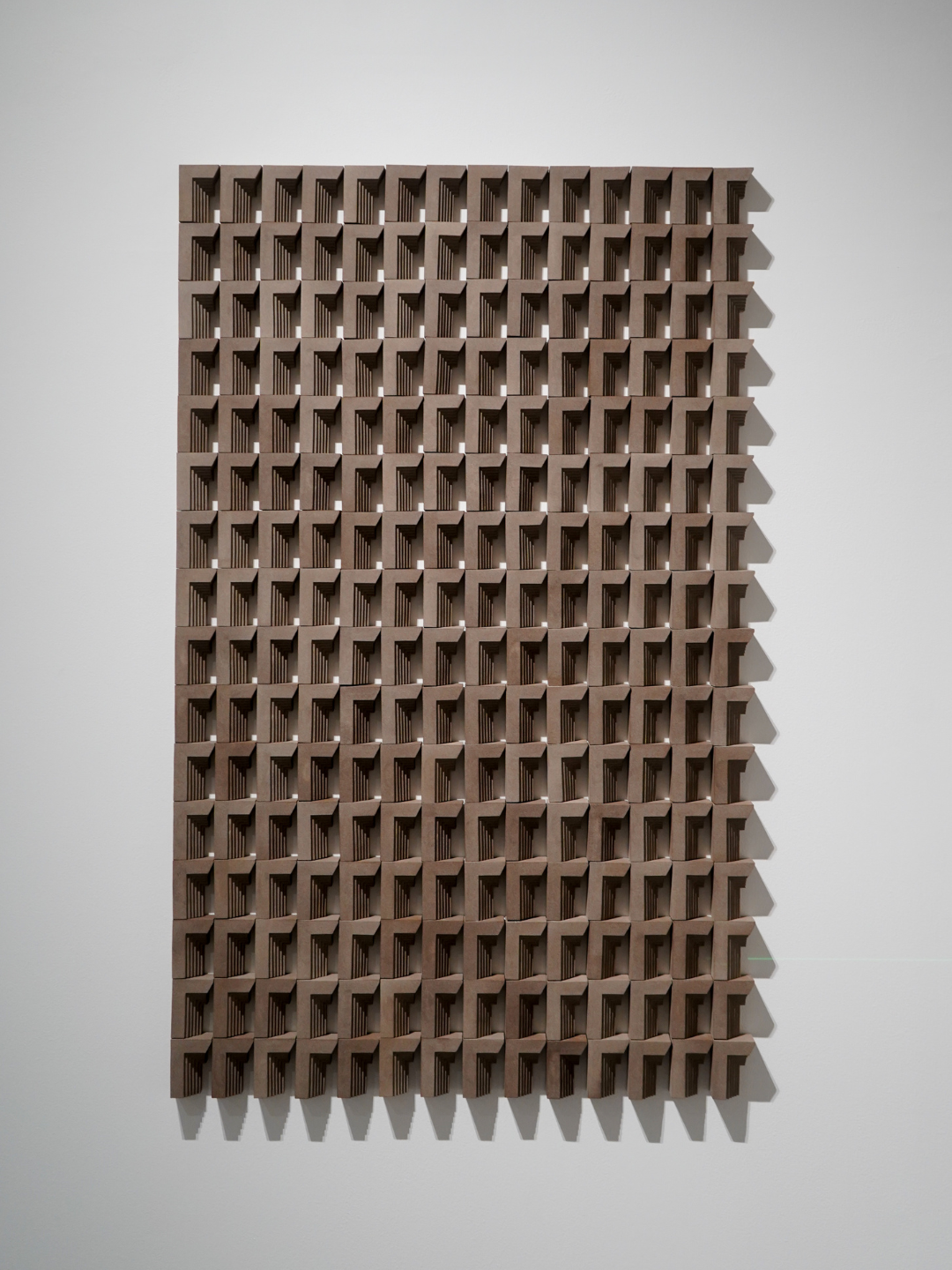
Albert Yonathan Setyawan
Form Constants - Spatial Tessellation #14 (Window Frames)
2026, terracotta, 144 x 90 x 4 cm (224 pcs)
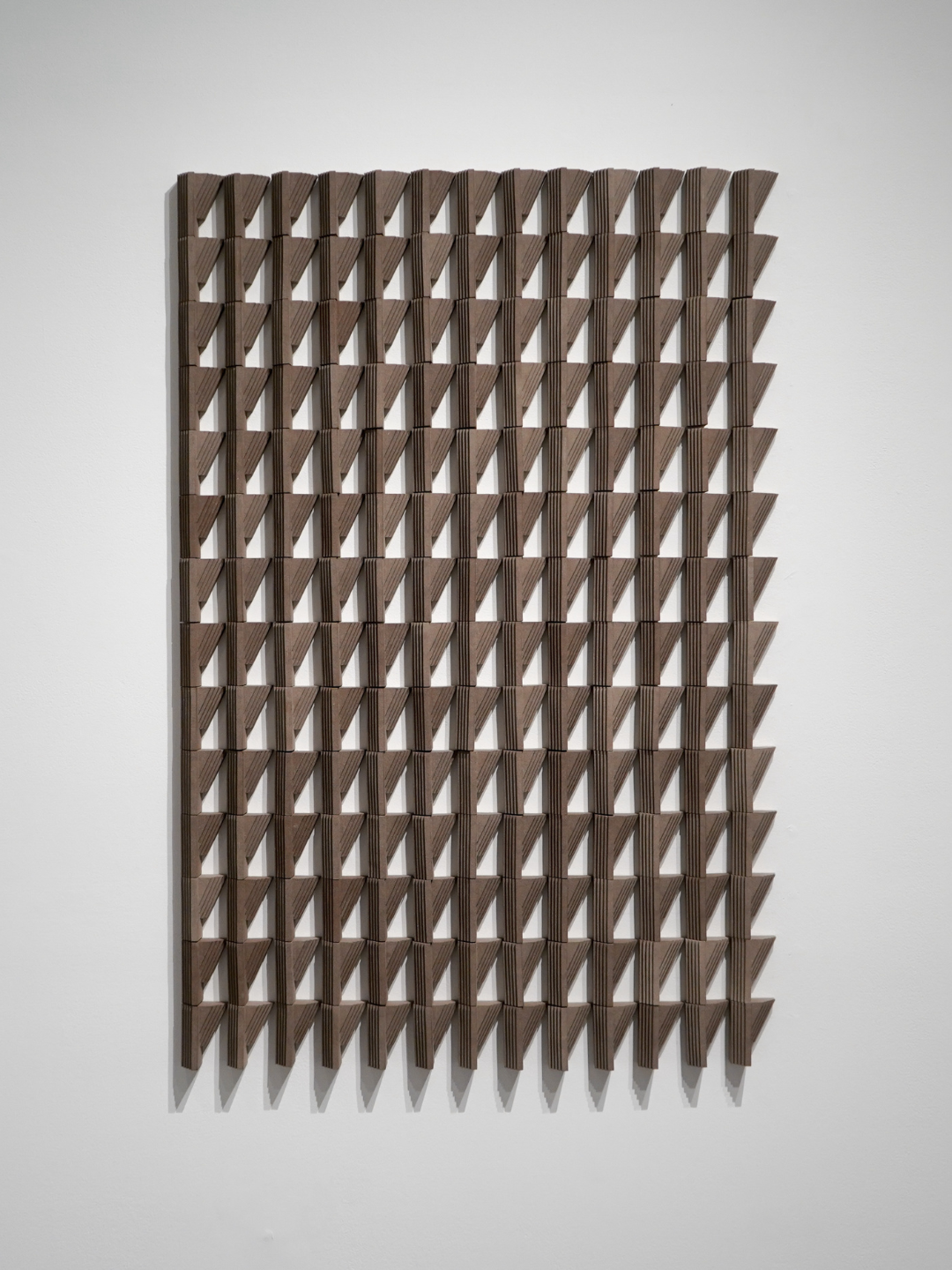
Albert Yonathan Setyawan
Form Constants - Spatial Tessellation #13 (Pillars & Piers)
2026, terracotta, 121 x 81 x 4 cm (182 pcs)
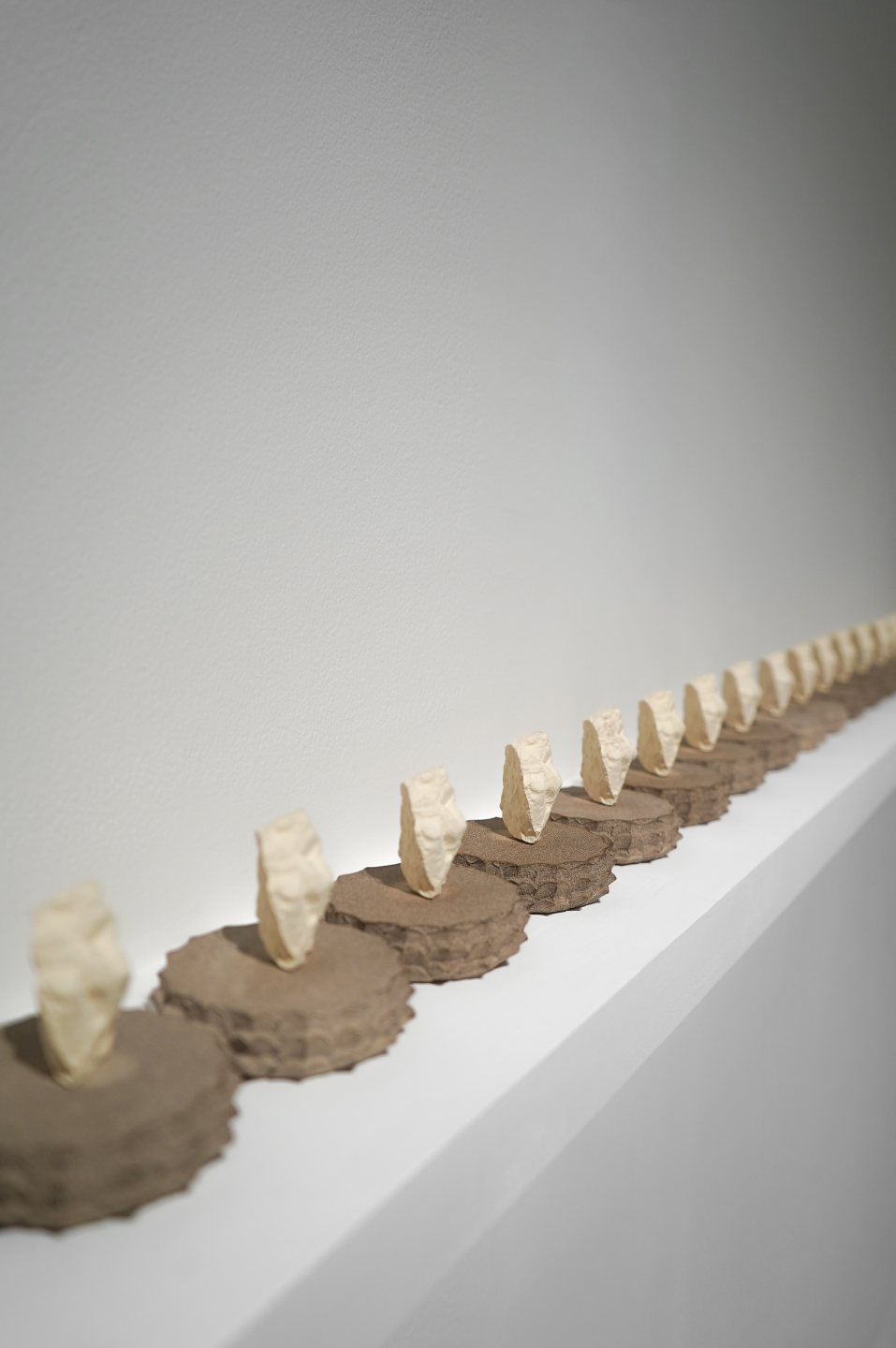
Albert Yonathan Setyawan
Anicca: Altars & Stones
2026, terracotta, approx. 500 pcs, each 7 x 8 x 8 cm
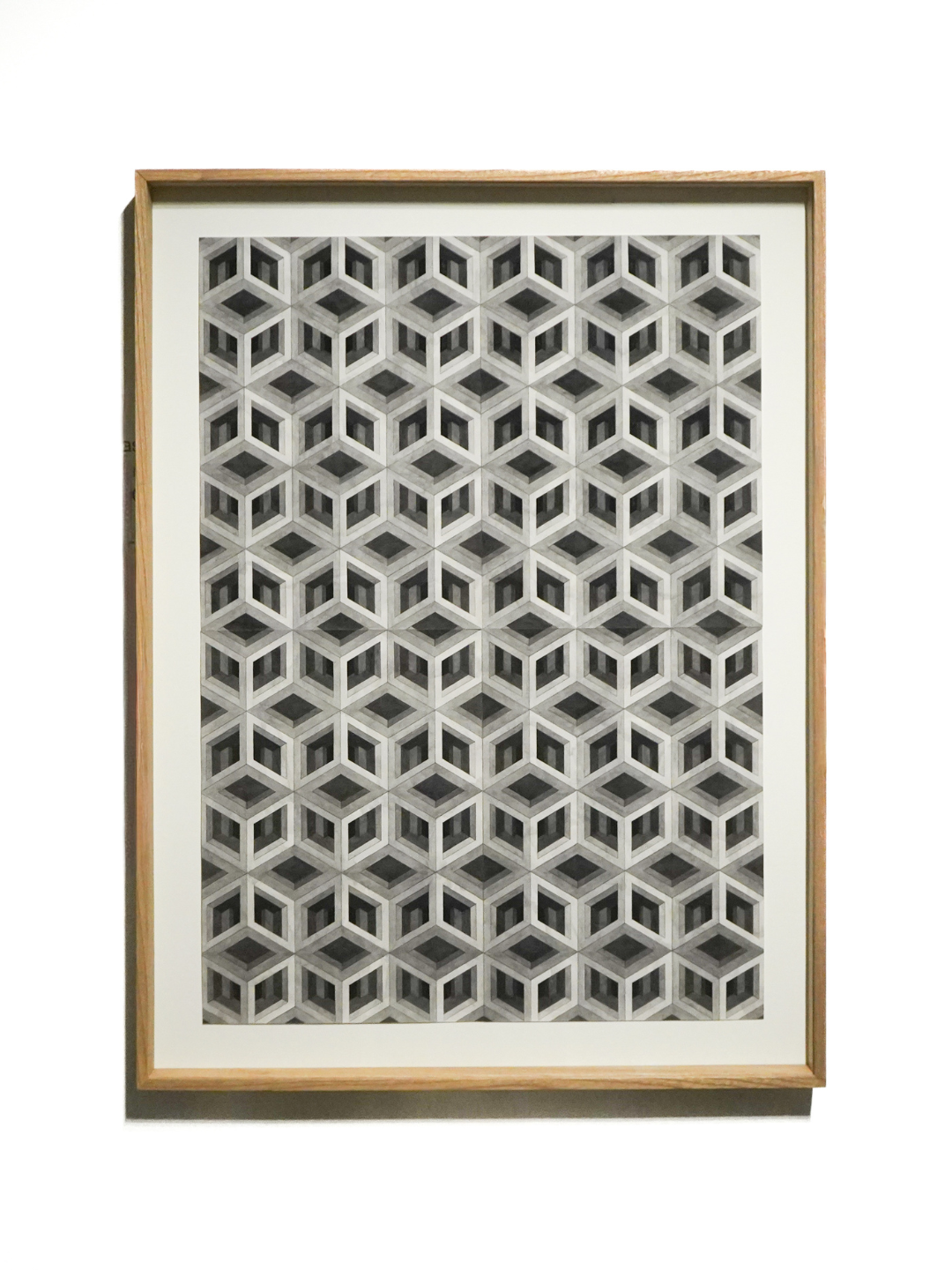
Albert Yonathan Setyawan
Hypnagogia - Inside Looking in (Chambers #1)
2026, gouache on paper, 70 x 50 cm (unframed), 80 x 60 x 4.5 cm (framed)
Albert Yonathan Setyawan
Hypnagogia - Inside Looking in (Chambers #2)
2026, gouache on paper, 81 x 63.5 (unframed), 92 x 74 x 4.5 cm (framed)
Albert Yonathan Setyawan
Hypnagogia - Inside Looking in (Entryways)
2026, gouache on paper, 62.5 x 80 cm (unframed), 74 x 92 x 4.5 cm (framed)
Albert Yonathan Setyawan
Hypnagogia - Inside Looking in (Windows & Ceilings #1)
2026, gouache on paper, 70.5 x 51 cm (unframed), 80 x 60 x 4.5 cm (framed)
Albert Yonathan Setyawan
Hypnagogia - Inside Looking in (Windows & Ceilings #2)
2026, gouache on paper, 81 x 63.5 (unframed), 92 x 74 x 4.5 cm (framed)
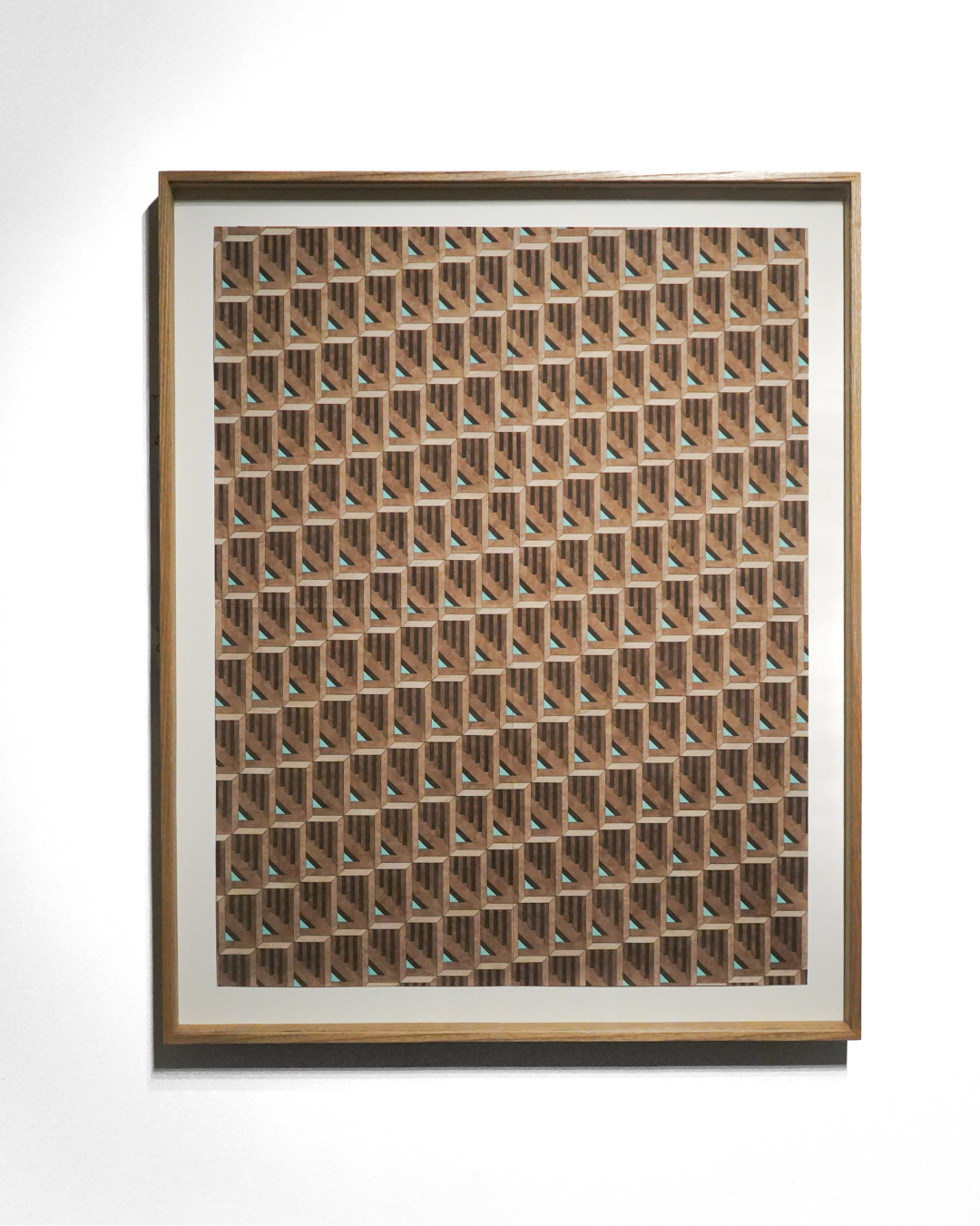
Albert Yonathan Setyawan
Hypnagogia - Inside Looking in (Windows & Pillars)
2026, gouache on paper, 81 x 63.5 (framed), 92 x 74 x 4.5 cm (unframed)
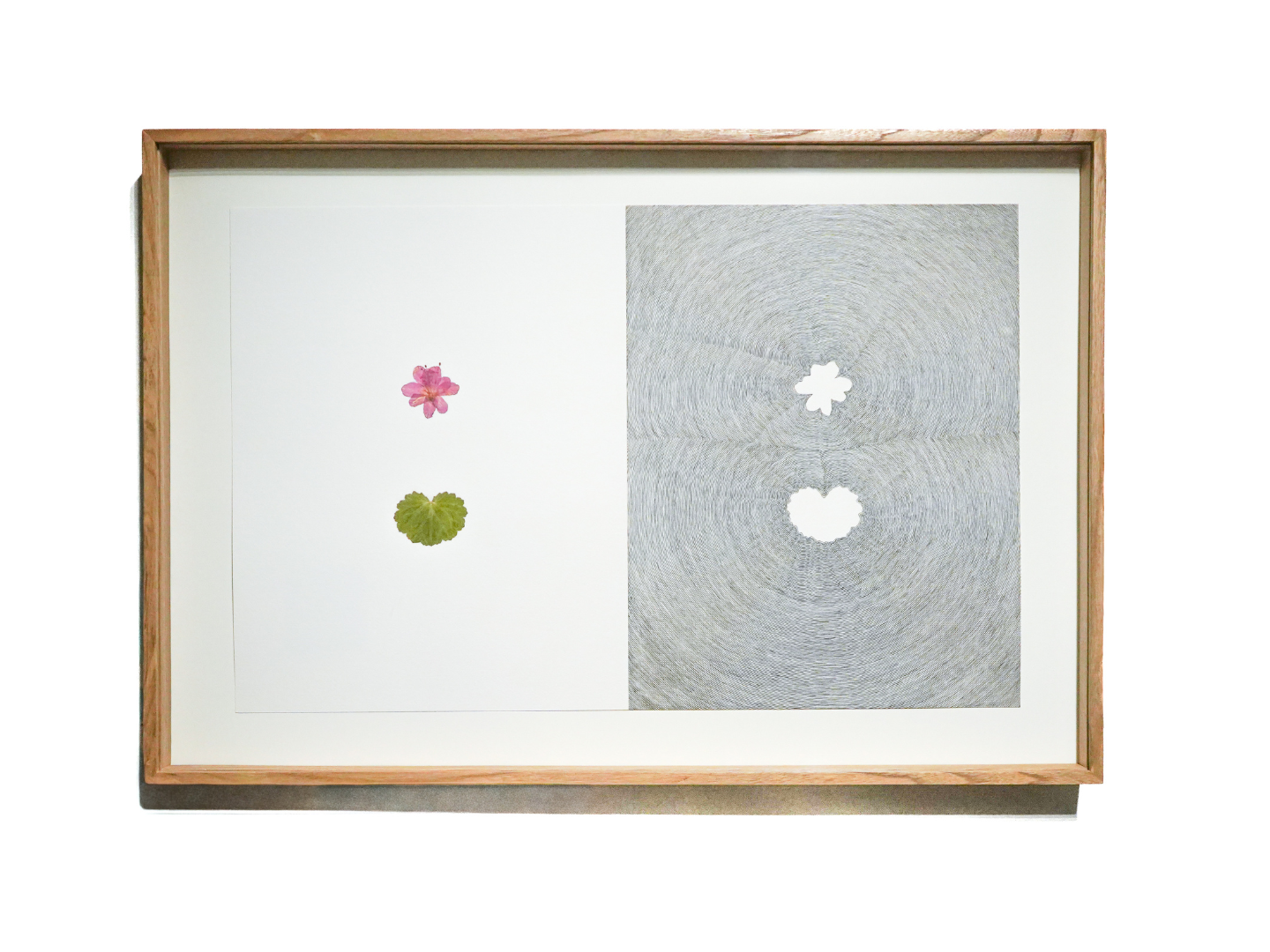
Albert Yonathan Setyawan
Tracing Time 17.04.2026
2026, ink on paper, dried leaf and flower, 40 x 64 cm (unframed), 52 x 76 x 4.5 cm (framed)
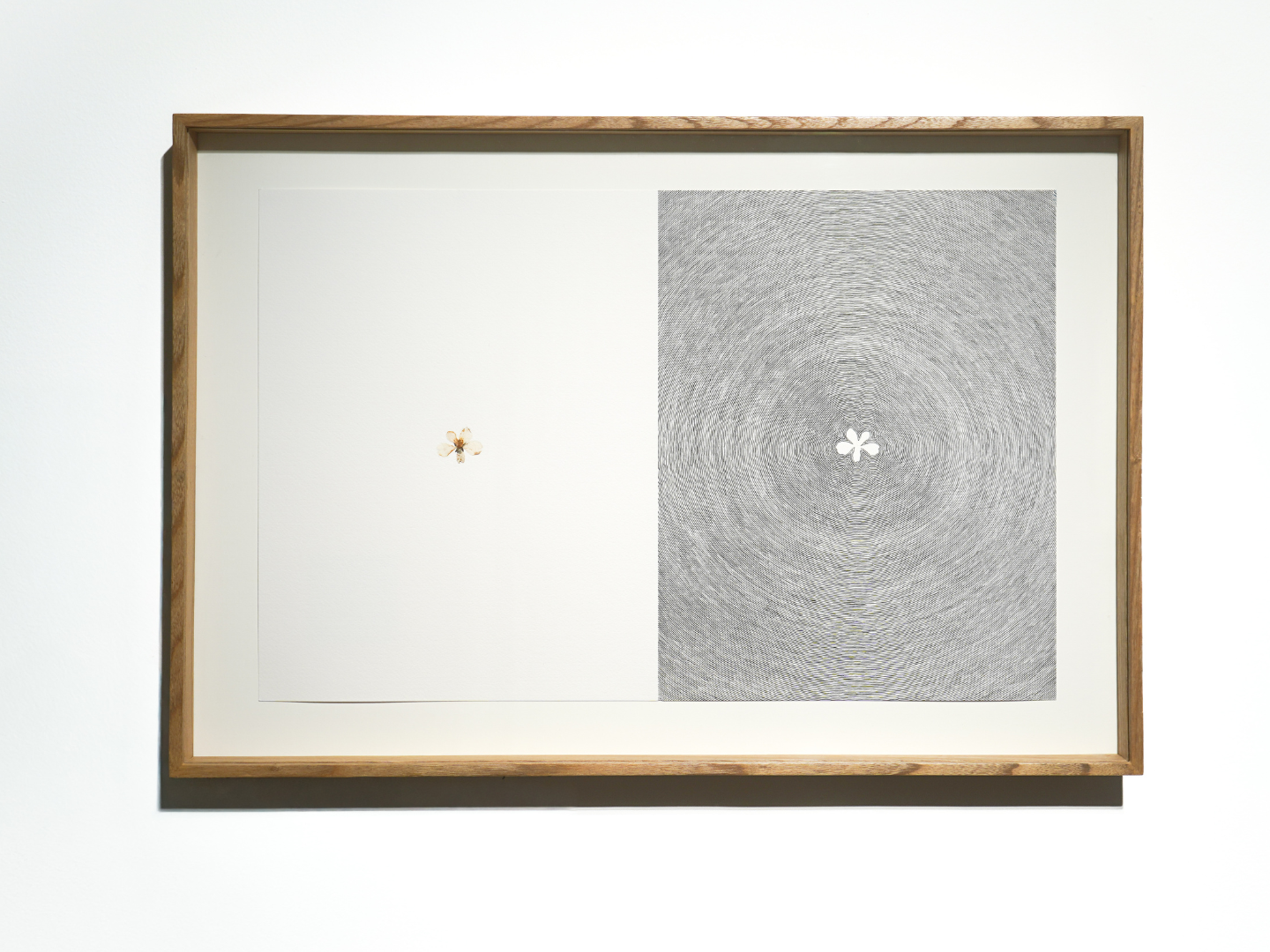
Albert Yonathan Setyawan
Tracing Time 14.04.2026
2026, ink on paper, dried flower, 40 x 64 cm (unframed), 52 x 76 x 4.5 cm (framed)
Albert Yonathan Setyawan
Squaring the Circle, Circling the Square
2025, three channel video, 14 mins 17 Sec - 23 Mins 40 Sec - 14 Mins 17 Sec, Edition of 2+ 1 AP
Media Links
| ARA CONTEMPORARY PRESENTS HYPNAGOGIA | TRACING TIME BY ALBERT YONATHAN S | Sugar & Cream | Read |
| Albert Yonathan: Merekam Waktu Melalui Keramik | Dewi Magazine | Read |
| Pengulangan Bentuk Hasilkan Struktur Bidang Persegi | Dialogue Jakarta | Read |
| Albert Yonathan Gelar Pameran Tunggal Hypnagogia Tracing Time di Jakarta | Babel Insight | Read |
| Repetisi, Ruang, dan Waktu dalam Semesta Karya Albert Yonathan | Media Indonesia | Read |
| Ketidak-Kekalan Albert Yonathan Setyawan | UPC Kumparan | Read |
| The Meditative Cycles of Albert Yonathan Setyawan | Grafis Masa Kini | Read |
| Culture Albert Yonathan Setyawan "Pulang Kampung" ke Jakarta Setelah Lebih dari 10 Tahun | Detik.com | Read |
| Seniman Albert Yonathan Setyawan Gelar Pameran Tunggal di ara contemporary | Detik.com | Read |
| Hypnagogia | Menelusuri Waktu a la Albert Yonathan Setyawan di ara contemporary | Benang.id | Read |
