She lit my mouth without a word
11 April - 10 May 2026
Main Gallery, ara contemporary
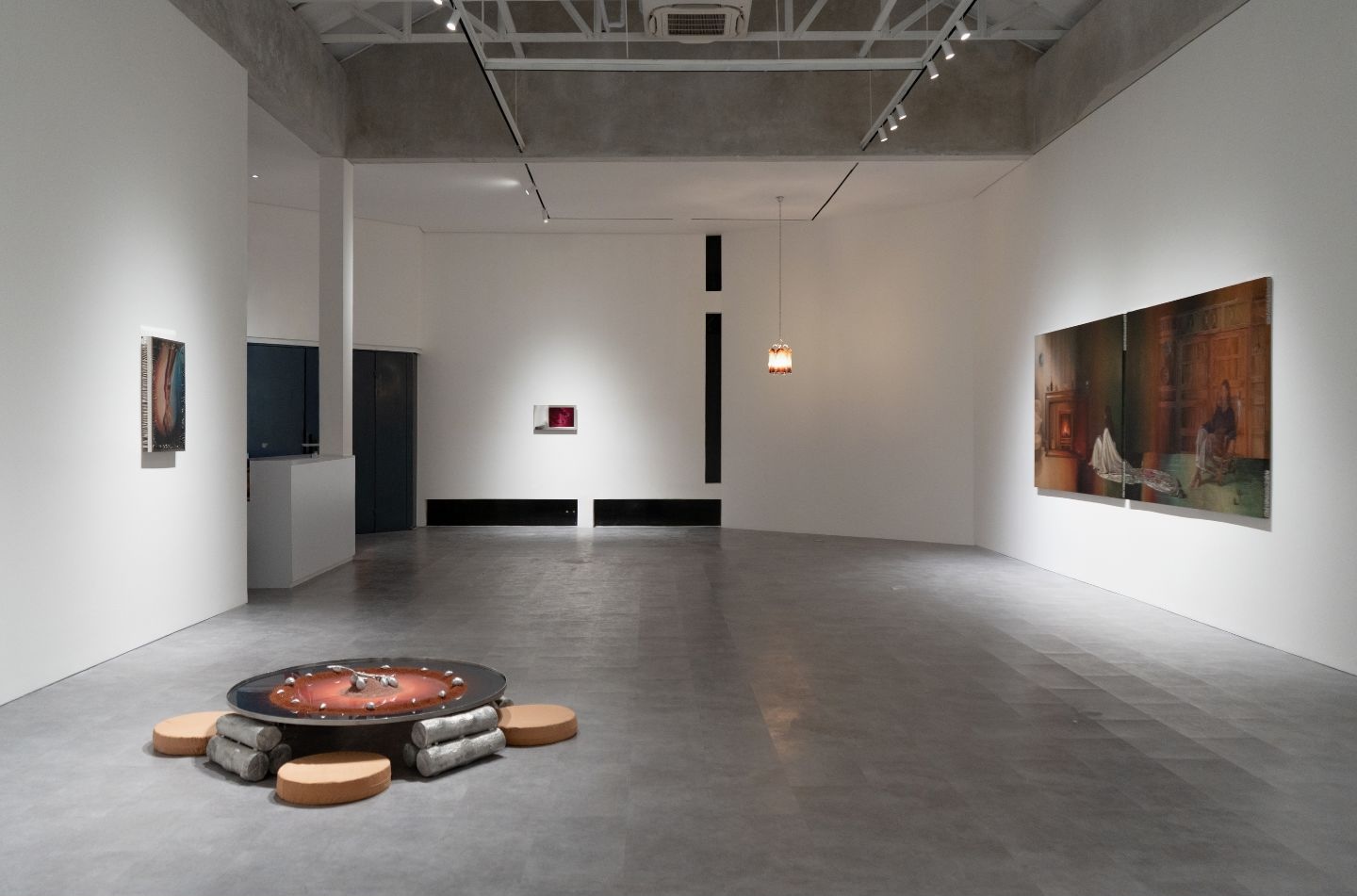
This is Natalie Sasi Organ's first solo exhibition—her most ambitious to date, in both scale and stake, also marking three years since her return to Thailand, her mother's homeland, to live and work as an artist. Composed of oil paintings, kinetic installations, sculptures and texts, She lit my mouth without a word unfolds in cycles of desire and loss, opening onto an ecstatic, surreal suspension—like the first time one chews betel.
The exhibition opens with this very first time. Nestled to the left of the entrance, Cure for Bites is a small poem–painting diptych that begins with the phrase “ไปหายาย” (“go see Grandma”), a reminder her mother would repeat every now and then. Her reluctance had its reason. For those unfamiliar with betel chewing, the mixture of betel leaf, areca nut, and lime paste, combined with saliva, would create a chemical reaction that produces a vivid red liquid in the mouth. Through the astonished eyes of a child, this pungent, seemingly repulsive substance was applied to her skin as a remedy for mosquito bites and unexpectedly, it worked. What was once a memory of discomfort has since softened into tenderness.
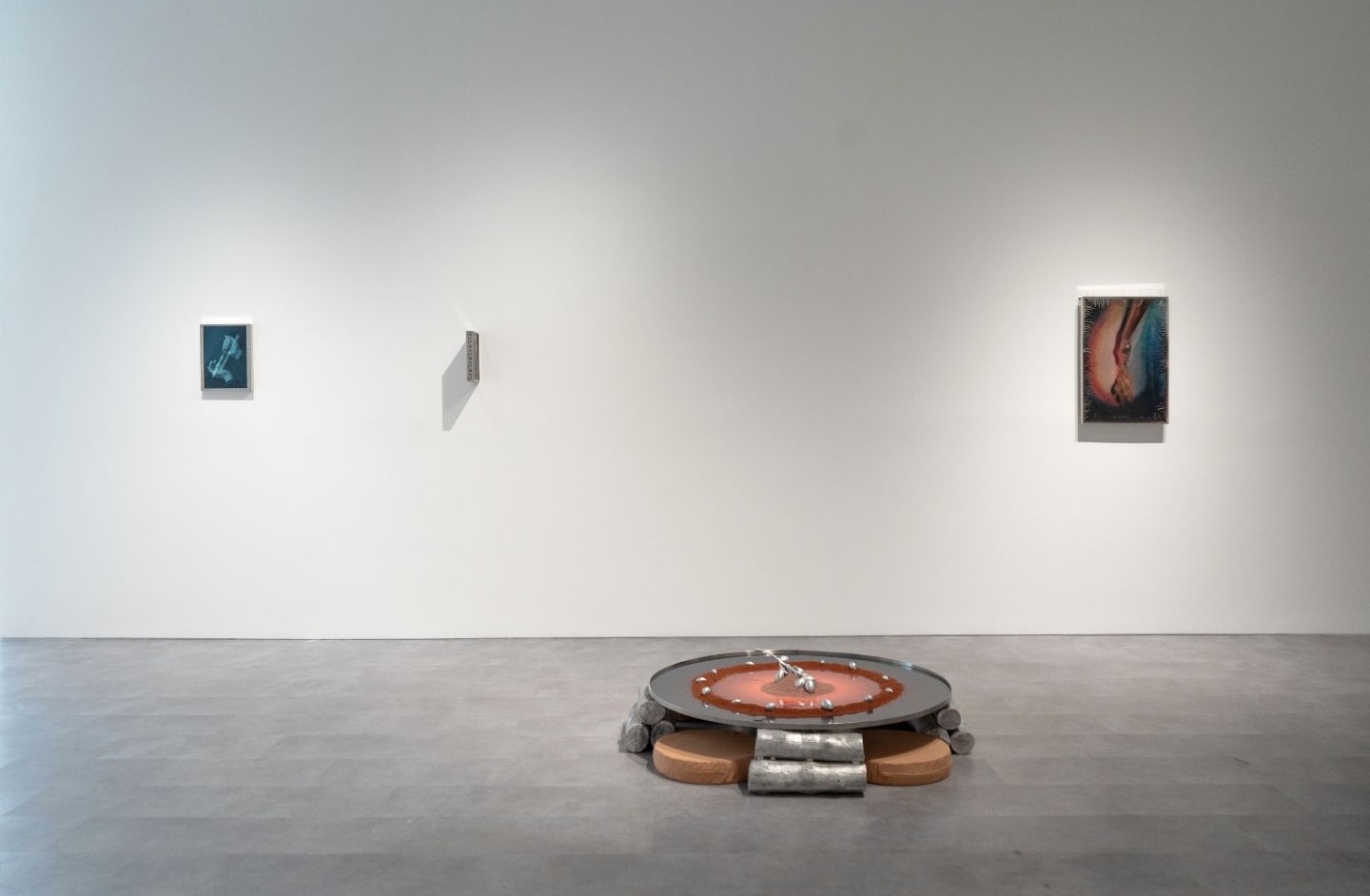
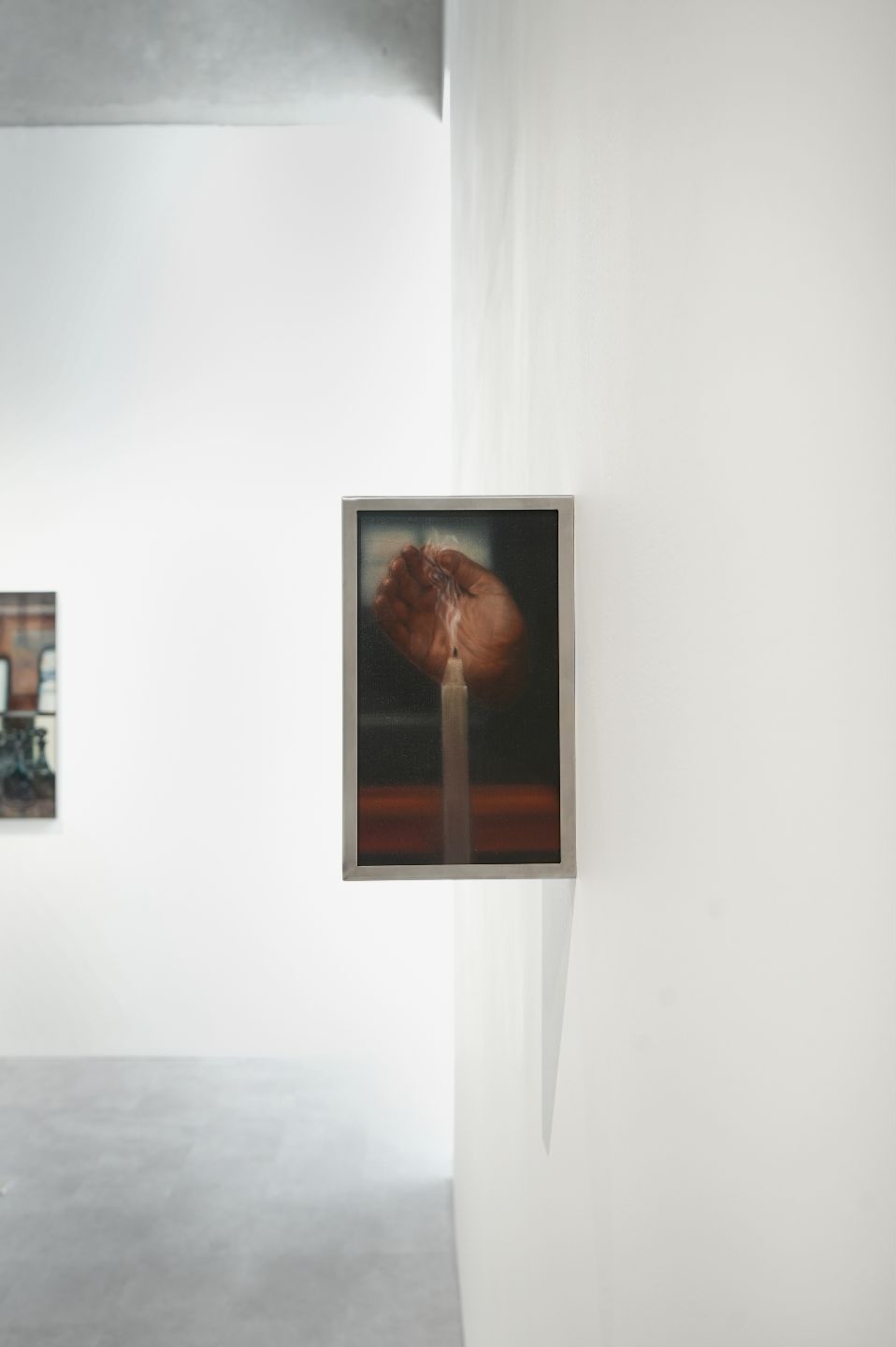
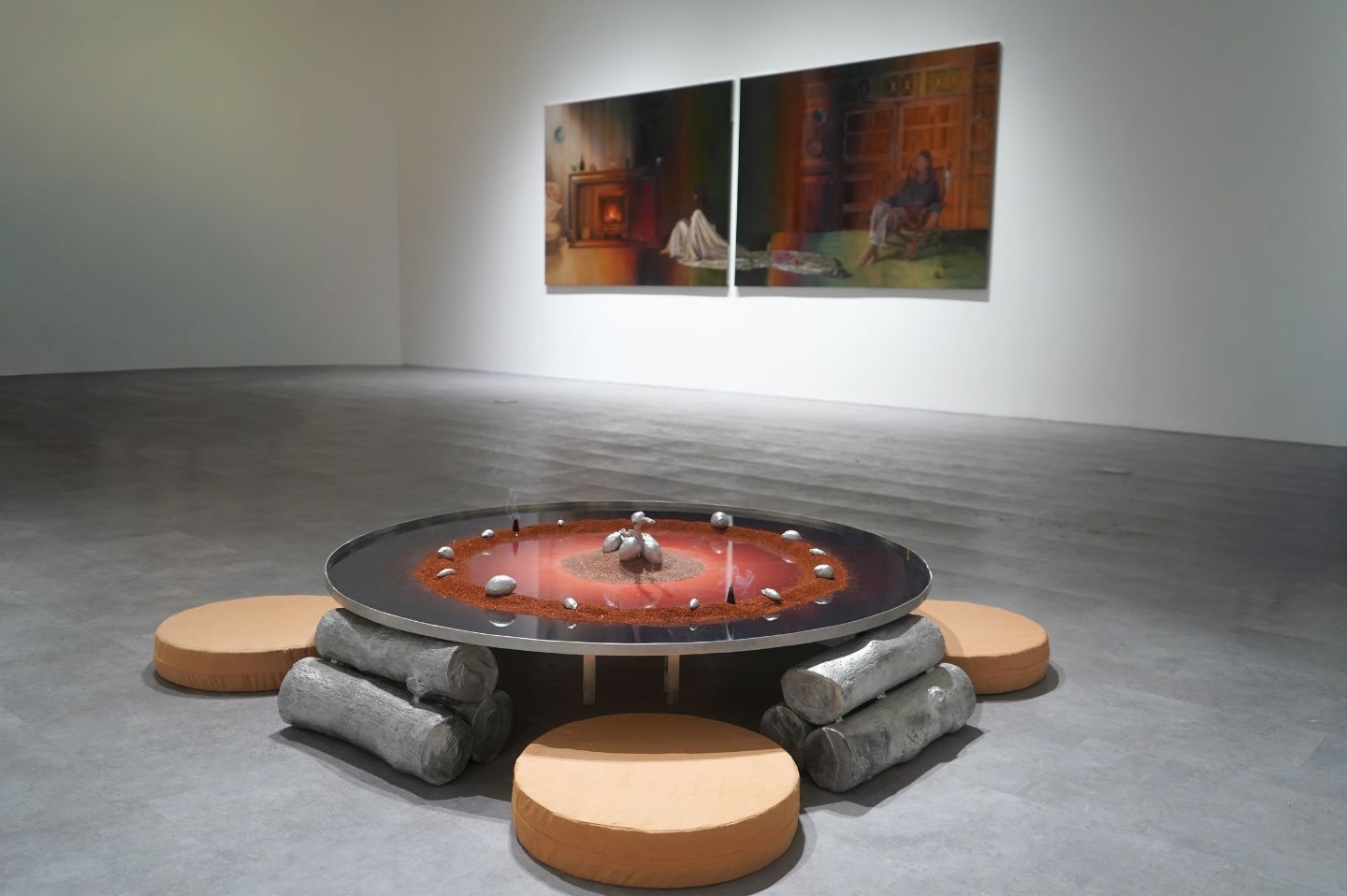
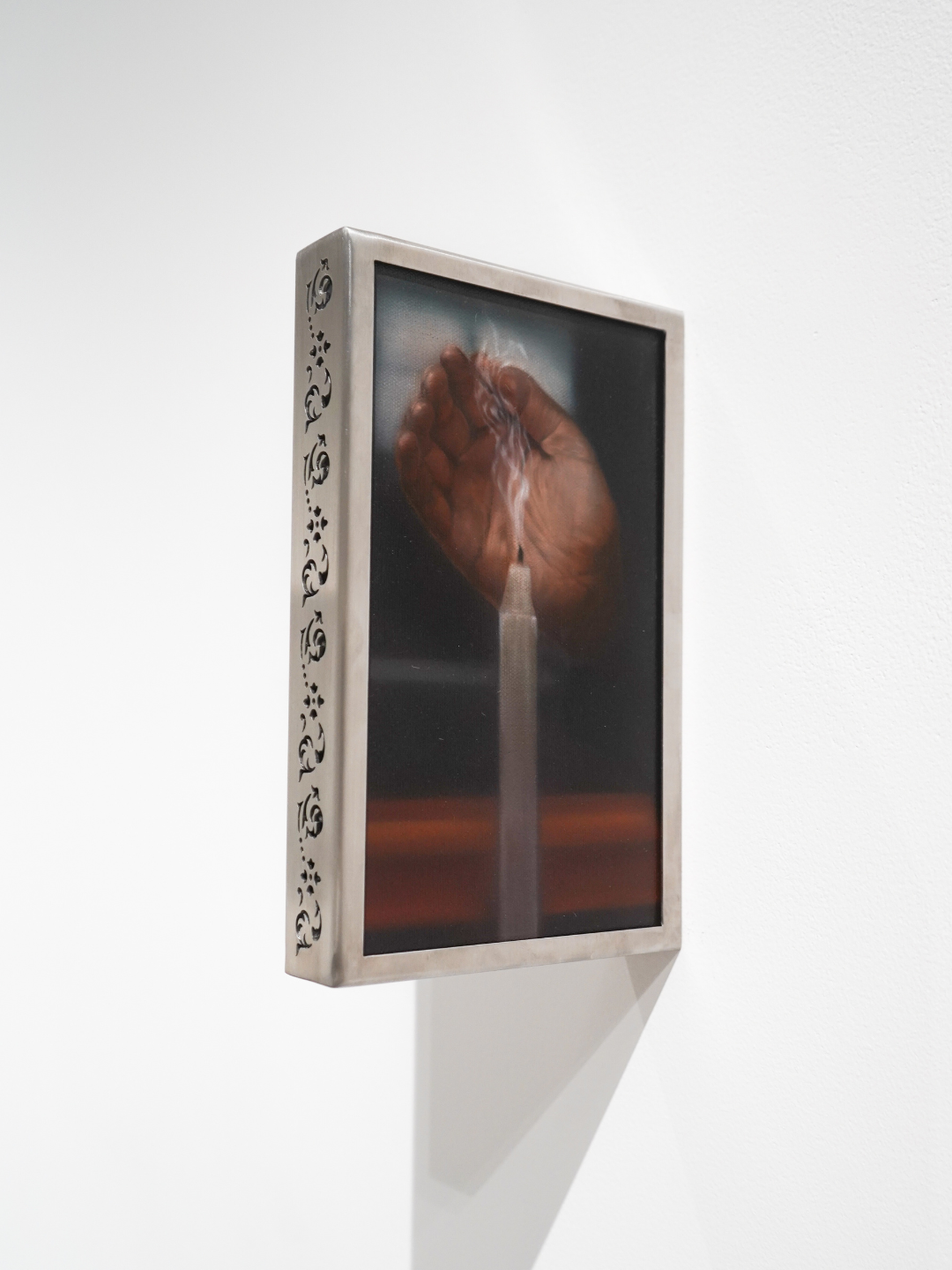
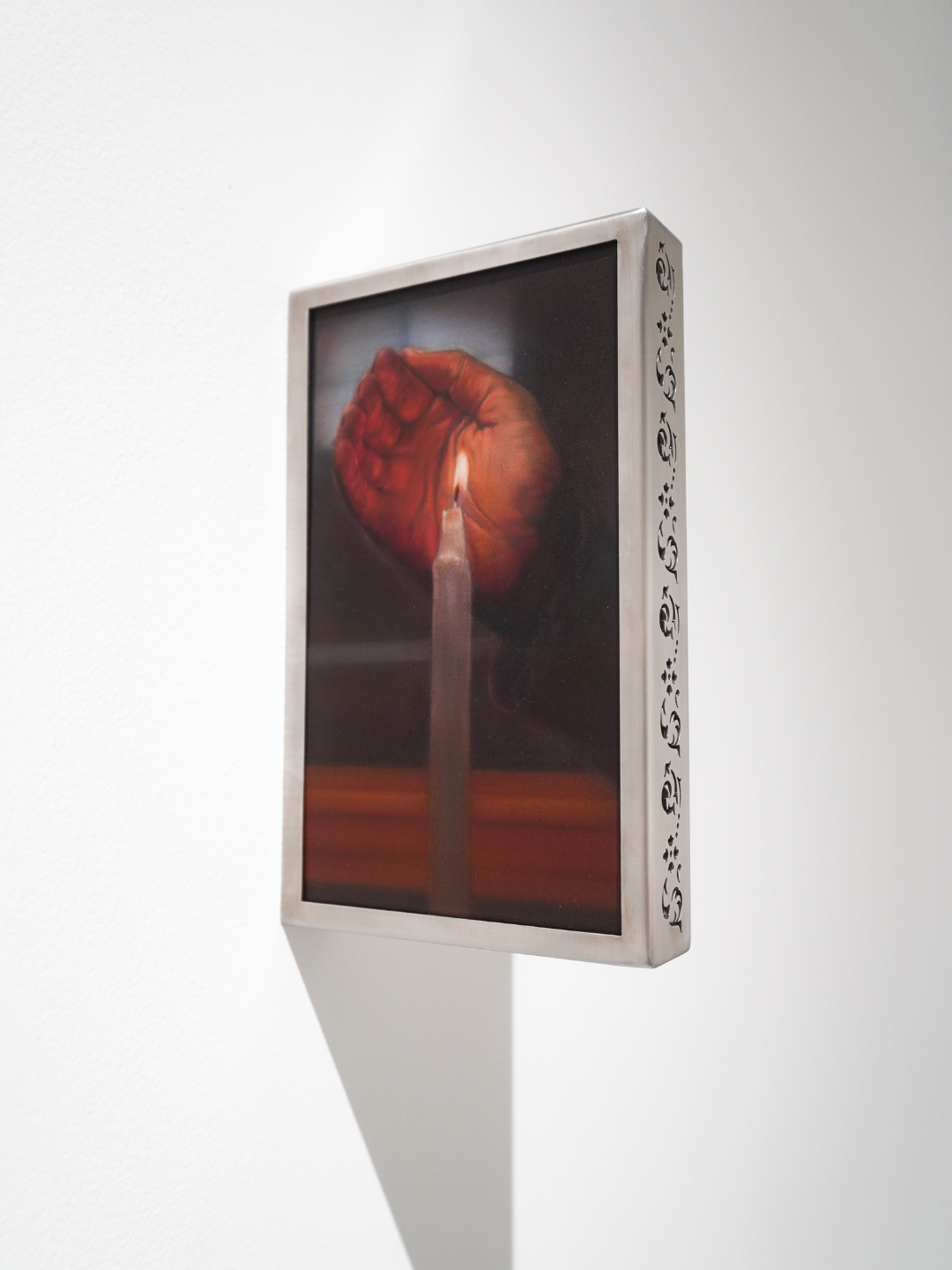
Fire leads us on. It appears in multiple forms: fire holding a cluster of betel nut in the palm of a hand; a candle lit and extinguished, leaving behind a thin trace of smoke; flames flickering in a hearth; or invoked through Yu Fai (อยู่ไฟ)—literally “to stay with fire”—a traditional Thai postpartum practice in which heat is used to heal the mother's body after childbirth, aiding both physical and emotional recovery. At the center of the space, Hold your feet to the fire recalls this practice, inviting viewers to kneel and look through the glass panels.
Under industrial lighting, the exhibition is experienced through the light of fire—a non-neutral, unstable illumination that never evenly reveals everything. Fire emits warmth and often signifies renewal, yet it also carries the potential for immense destruction, an elemental force that oscillates between care and annihilation, between life and death, between birth and decay. Across her works, shadows lurk in its flicker and enigma.
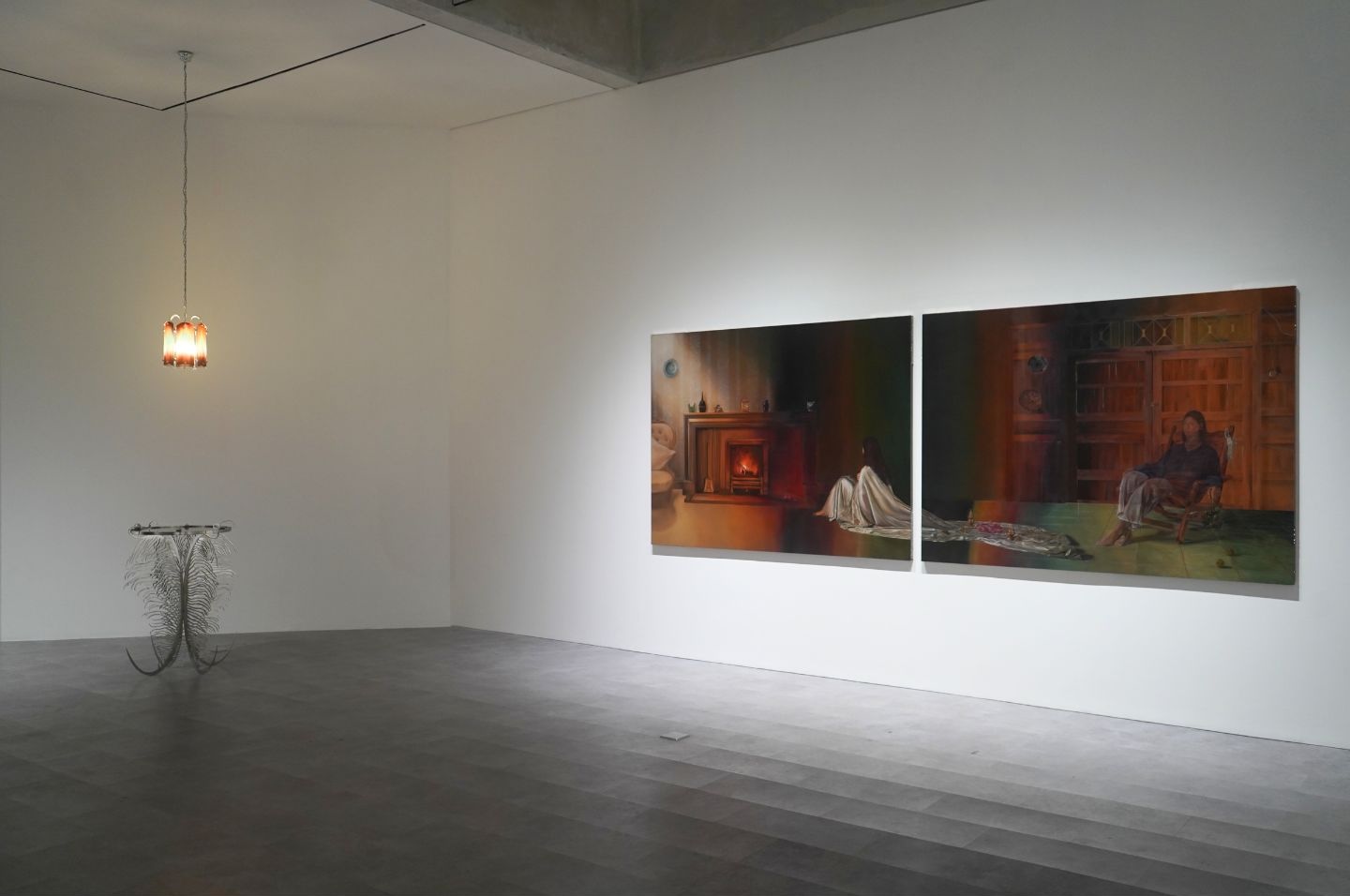
Upon entering the space, one is confronted by a large-scale diptych, titled I bloomed where cut, I burned where placed, not only in their dimensions, but in their perspective. The central figure is the artist herself, situated within two of the most intimate environments of her childhood: her maternal grandparents' home in Hua Hin, and her paternal grandparents' home in Bristol. In contrast to Natalie's earlier works, which often present fragmented bodies—hands, backs, partial gestures—embedded within tightly composed, contextless scenes, these paintings, for the first time, open up the perspective, allowing us to see more of what has always been there. In one painting, Natalie sits in her grandfather's wooden armchair, her body rendered so faint it nearly disappears. In the other, she turns her back to the viewer, facing a fireplace burning betel nuts. A soft piece of silk drapes across her body, extending into the adjacent canvas, binding together two places of starkly different domestic furnishings and perhaps rituals, both of which she calls “home,” despite their geographical distance. Yet it is not only Natalie who is fading, both of these spaces have already vanished or are on the verge of disappearing.
Both were homes of “hoarders”, she said, of objects, of domestic furnishings, both important and not, one collected out of necessity, of not having enough; the other out of a desire for beauty, for ornament. Objects drift in and out of oblivion, many of them now gone, sold, dilapidated. In contrast, objects in Natalie's work are treated with a certain sacredness. Carefully selected from Thai and British cultural rituals, they are also deeply rooted in personal and cultural memory. Removed from their original contexts and reassembled within the exhibition, some shift in function, unsettling the meanings typically assigned to them.
Betel nut is not simply a recurring motif but the central material and symbolic axis of Natalie's new body of work, one of the most charged symbols running through her practice. Throughout the exhibition, betel nut returns insistently, binding together questions of the body, feminist kinship and postcolonial condition in Thailand. Across Southeast Asia, betel chewing has long operated as a social and ceremonial medium; the act of chewing betel nut together functions as a gesture of hospitality to welcome guests into the household or offered as gifts in weddings or rituals, but also as a form of mild stimulation that sends a subtle chill through the body, a sensation that cuts through the stillness of midday. From the late 19th century, during the reign of King Rama V, the practice was gradually displaced by imported ideals of modernity bound up with hygiene and civility, culminating in state-led campaigns in 1940s Thailand to suppress it. Betel stains the teeth, reddens the saliva, trains the mouth, and seeps into the body. Long condemned as vulgar or backward, it undergoes an alchemy here, recast in silver aluminium and given weight in what becomes Natalie's own rituals.
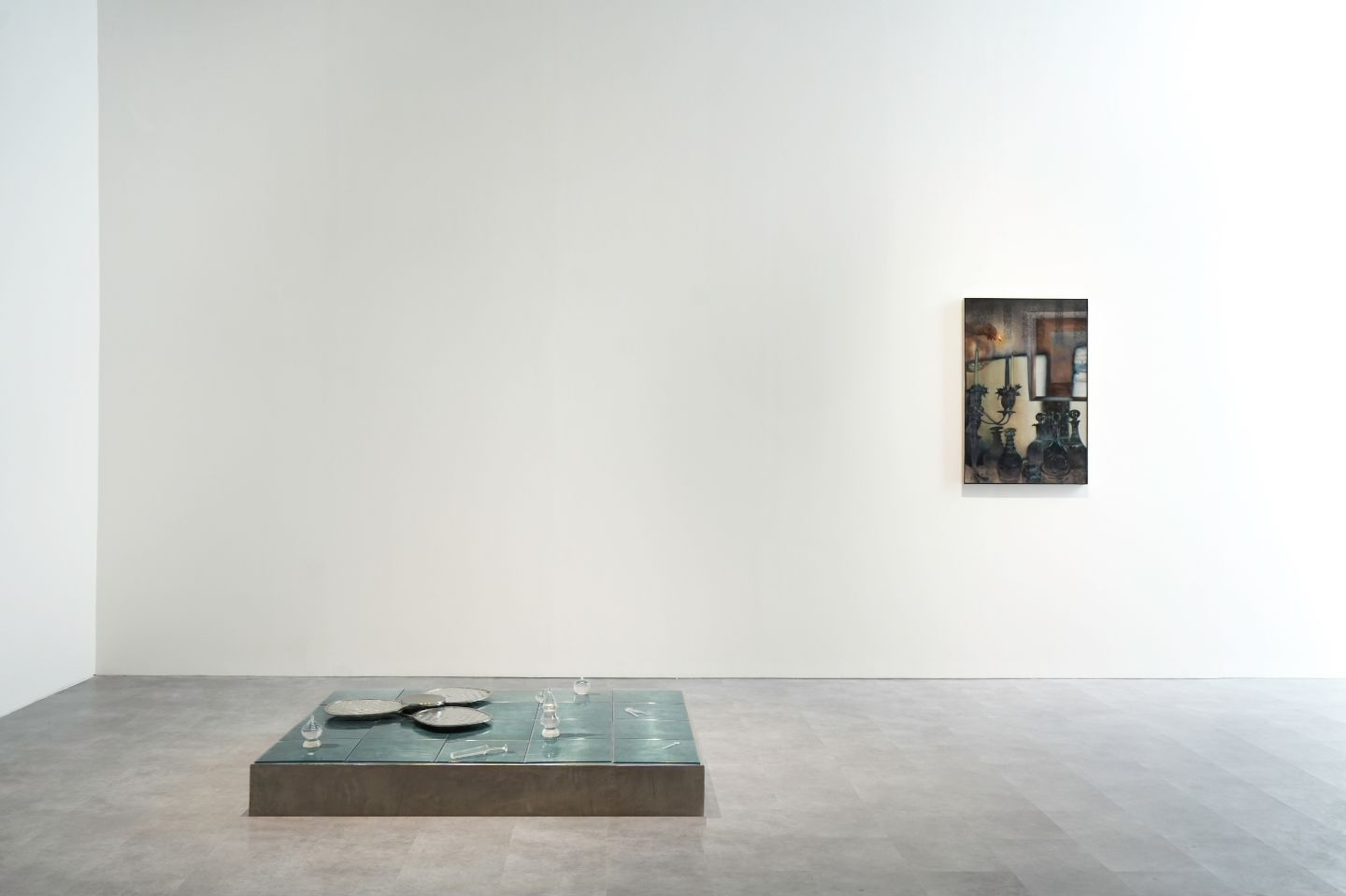
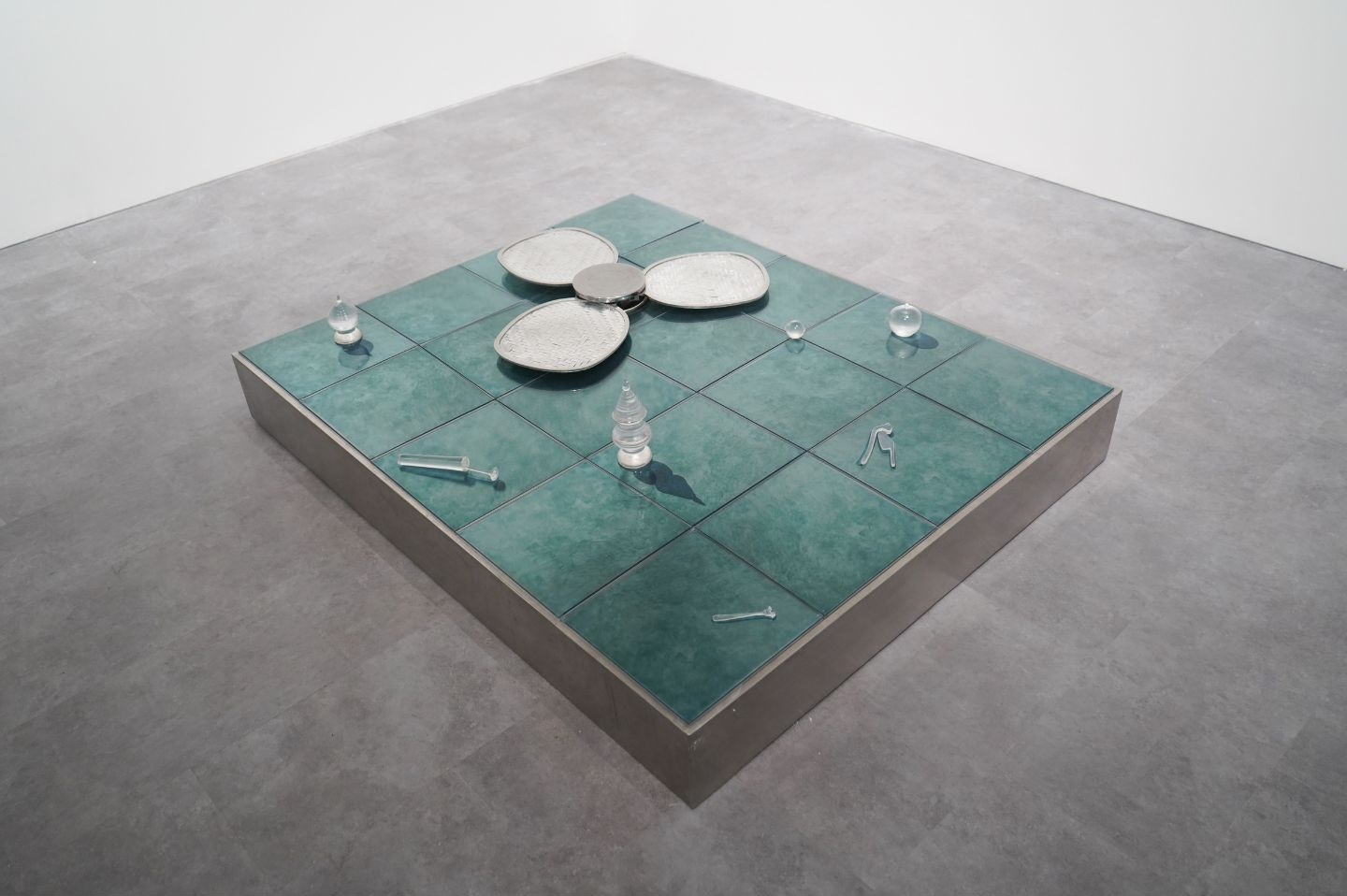
In I learned fire at her knee, Natalie transformed the traditional Thai hand fans into a system of metallic ceiling fans—only to be placed on the floor—reversing both orientation and purpose. In her childhood, when children passed in front of adults, they were expected to bow. But as a child, she would often run past, and her grandmother would lightly strike her legs with the fan she had been using to cool herself. A gesture that is at once disciplinary and affectionate, a form of care that is both tender and strict. Now, as her grandmother's memory fades, as the teeth once stained by betel chewing are gone, these recollections become what anchors Natalie to her maternal lineage, where love often means to burn and bite, contradictions she has learned, the hard way, not only to reconcile with, but also to embrace.
Meticulously staged through gestures, materials, and symbolic systems marked by postcolonial histories, the exhibition lingers in a warm, quiet nostalgia. Natalie restages intimate spaces and objects as an act of preservation, a fragile attempt to hold against time, against its ruthless cycles of life and its slow undoing, against losses shaped by invisible structures of history and power.
She lit my mouth without a word is a gaze that gazes back, asking: which memories are preserved, which are erased, and who decides what's worth keeping?
Vân Đỗ
Artists
Exhibition View
Artworks
Natalie Sasi Organ
Breathe out
2026, oil on canvas and engraved stainless steel frame, 27.8 x 16.9 x 4 cm
Natalie Sasi Organ
Breathe in
2026, oil on canvas and engraved stainless steel frame, 27.8 x 16.9 x 4 cm
Natalie Sasi Organ
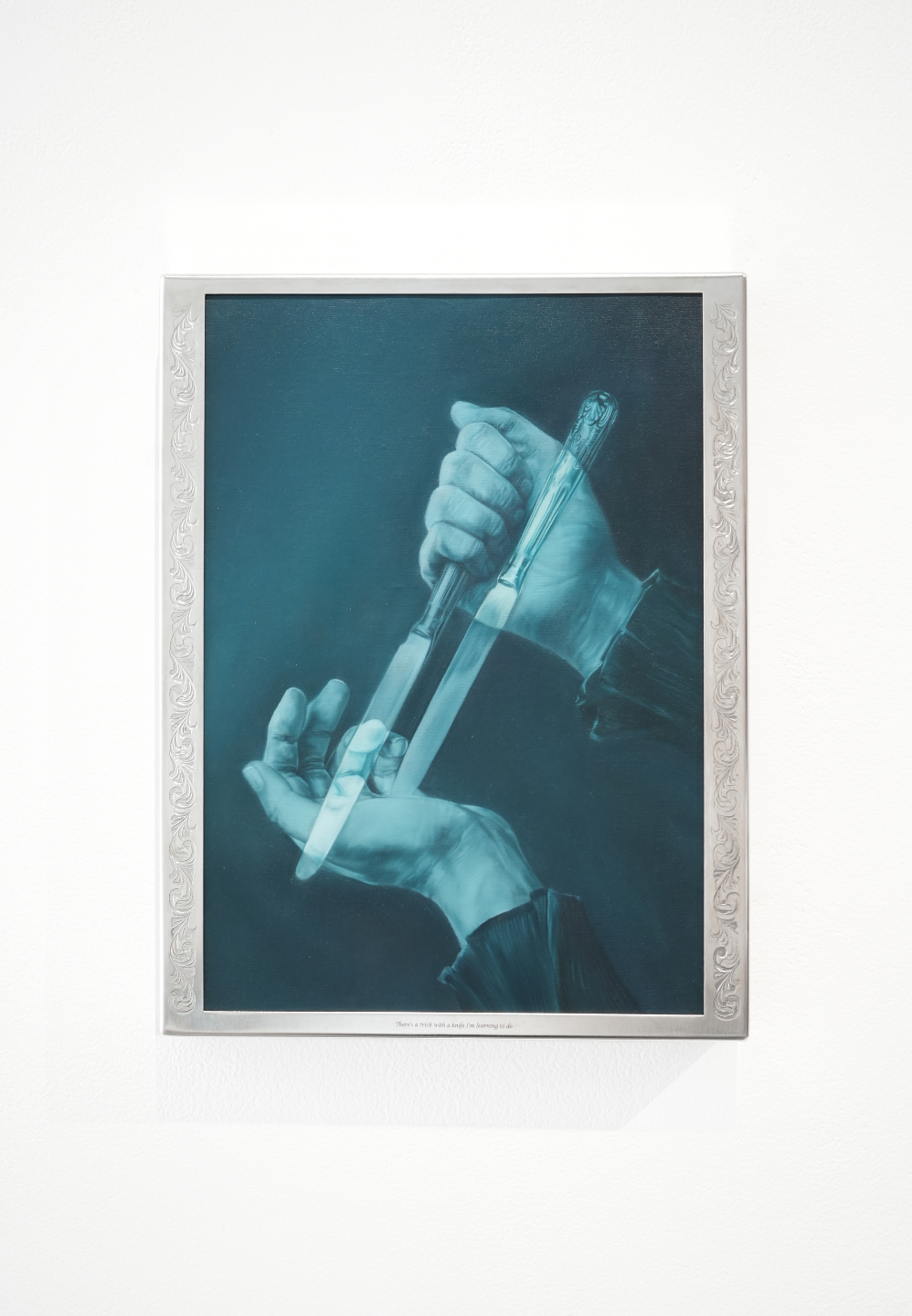
A blade of honey between our shadows
2026, oil on canvas and engraved stainless steel frame, 37.5 x 28.8 x 3.5 cm
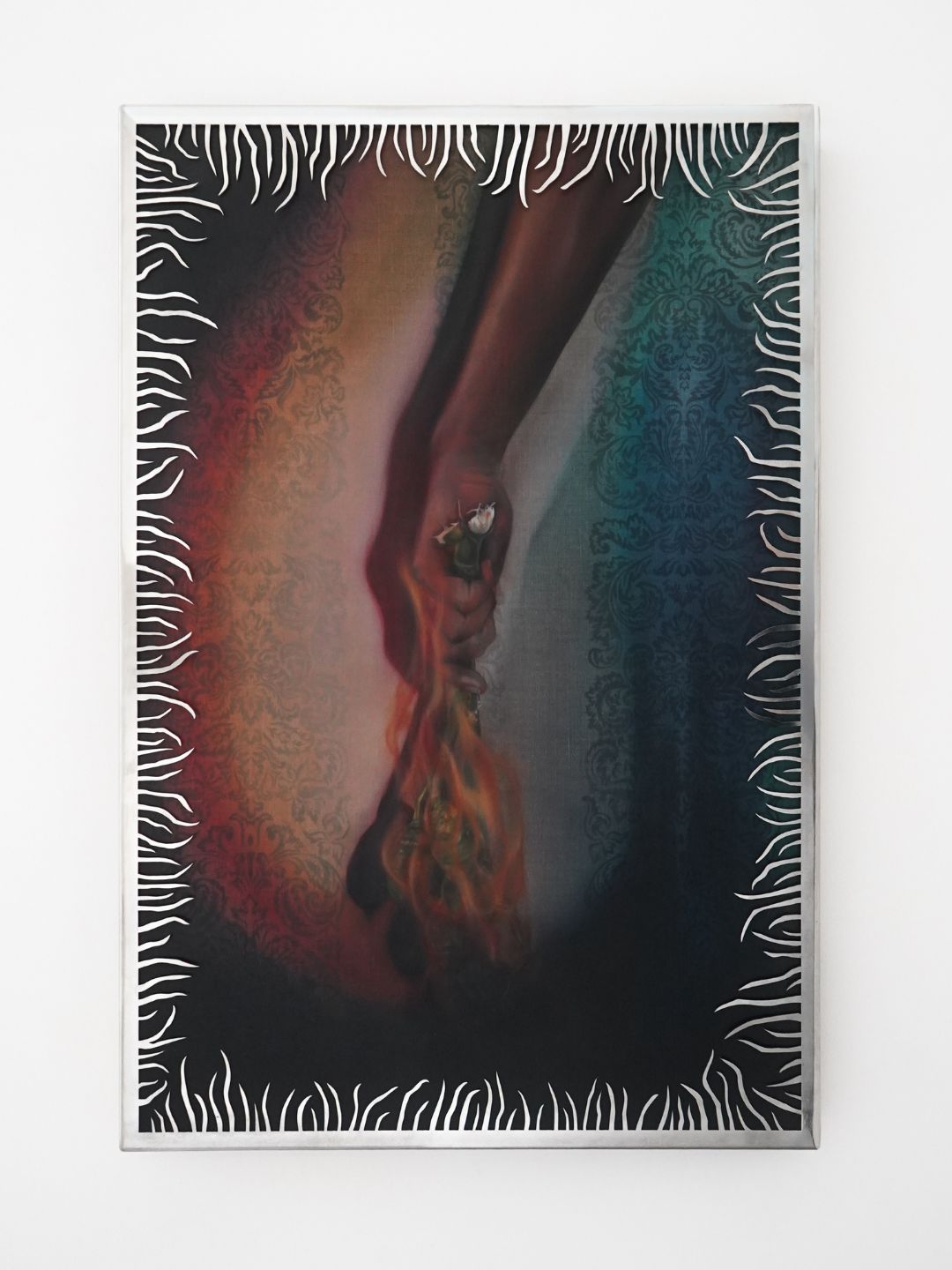
Natalie Sasi Organ
Burn Bright
2026, oil on canvas and stainless steel frame, 71 x 48 x 6 cm
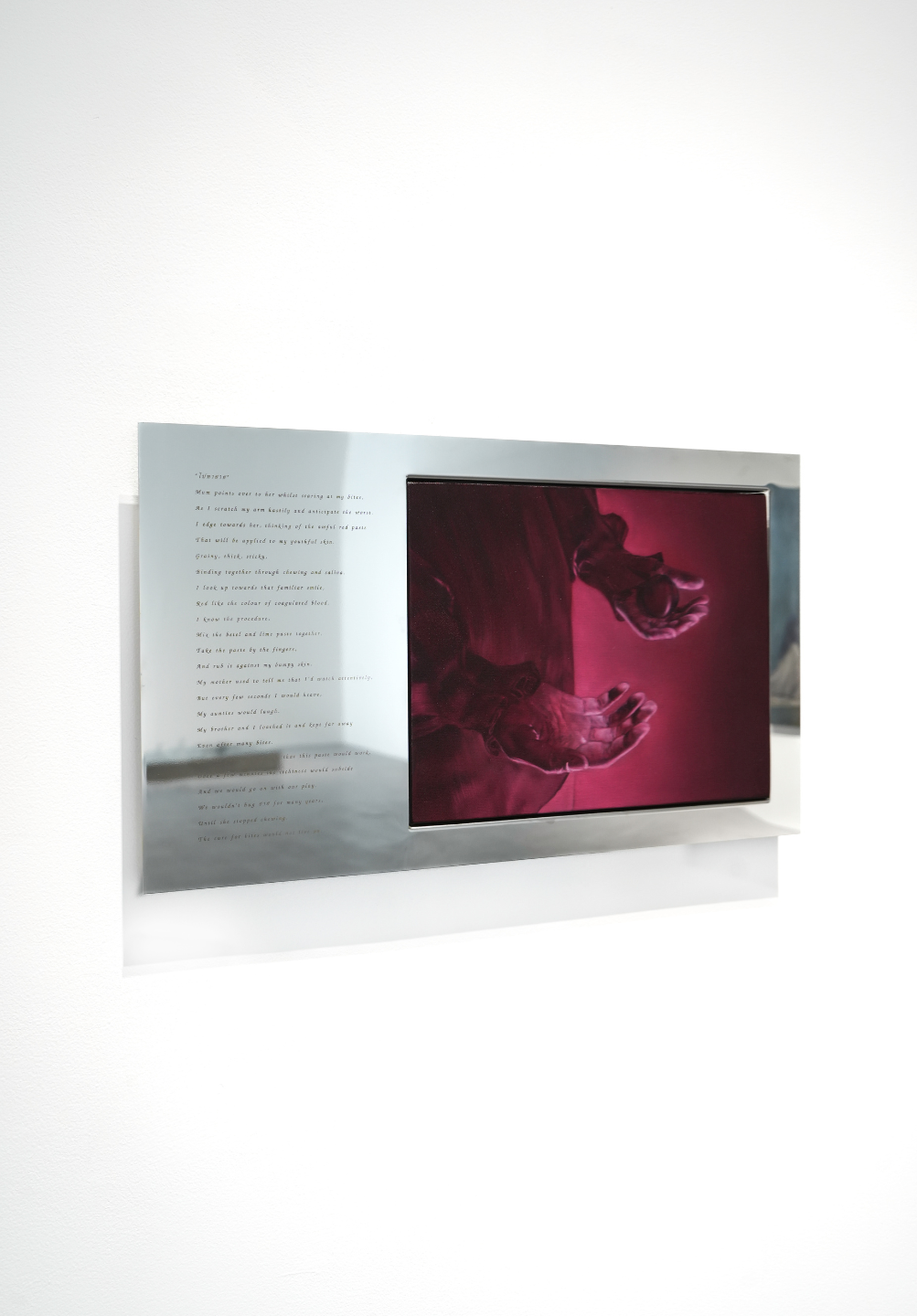
Natalie Sasi Organ
Cure for bites
2026, oil on canvas and engraved stainless steel frame, 34.5 x 60 x 5 cm
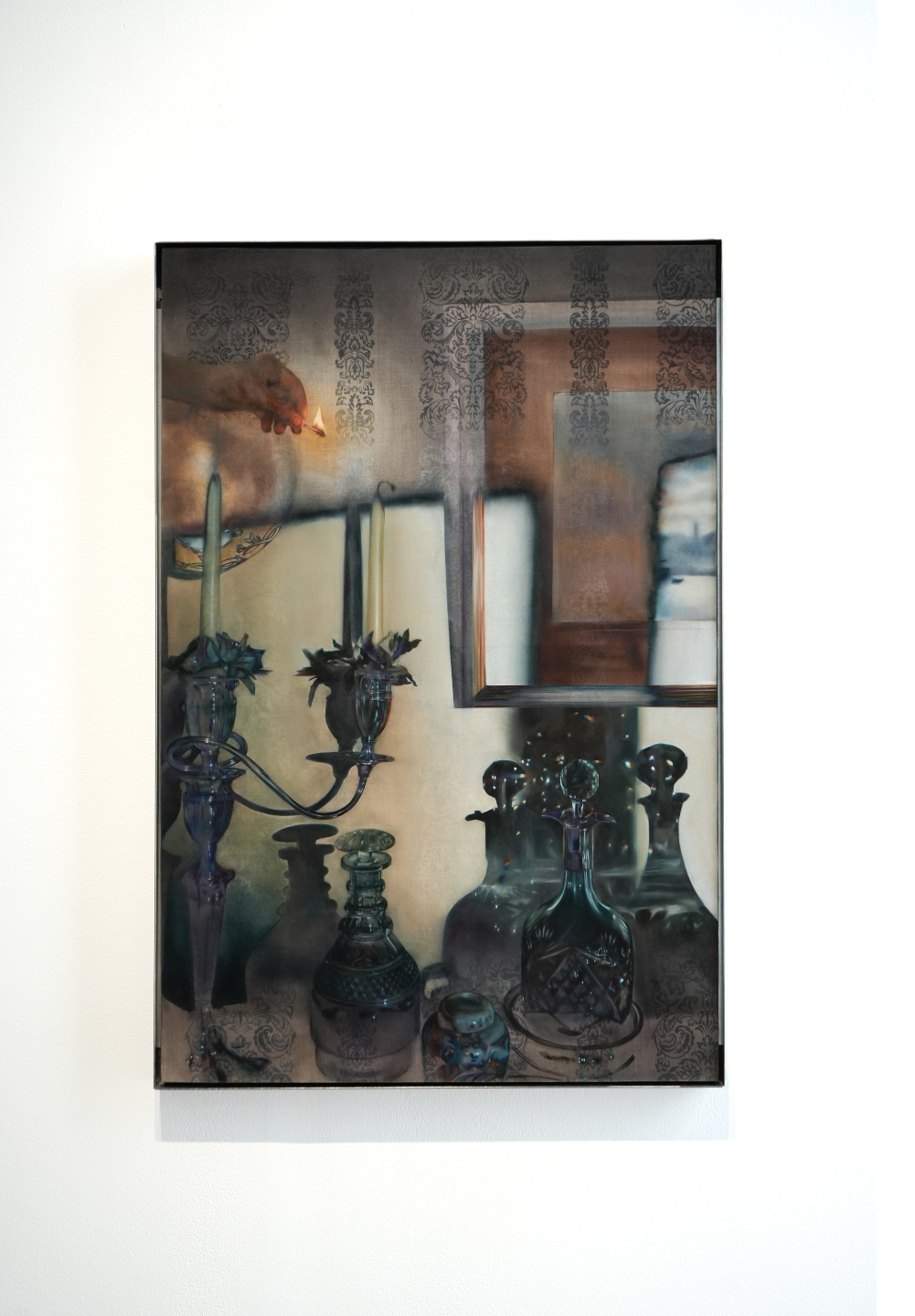
Natalie Sasi Organ
Last Light
2026, oil on canvas and stainless steel frame, 101 x 68 x 4 cm
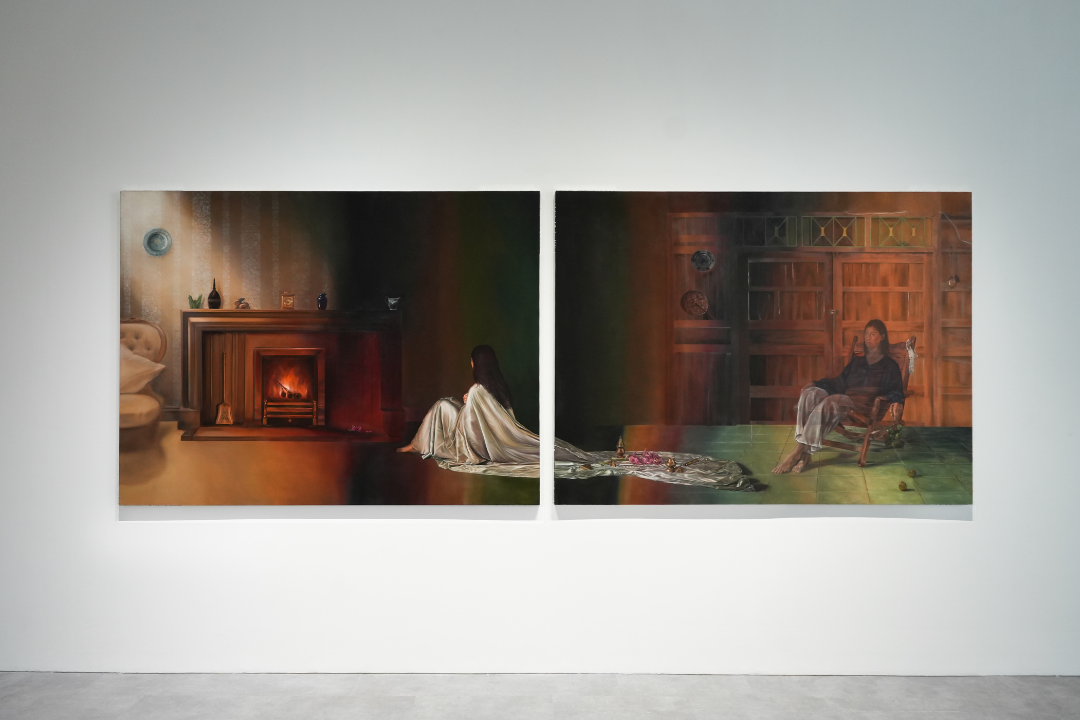
Natalie Sasi Organ
I bloomed where cut, I burned where placed
2026, oil on canvas and stainless steel corners frame, 150 x 200 cm each (diptych)
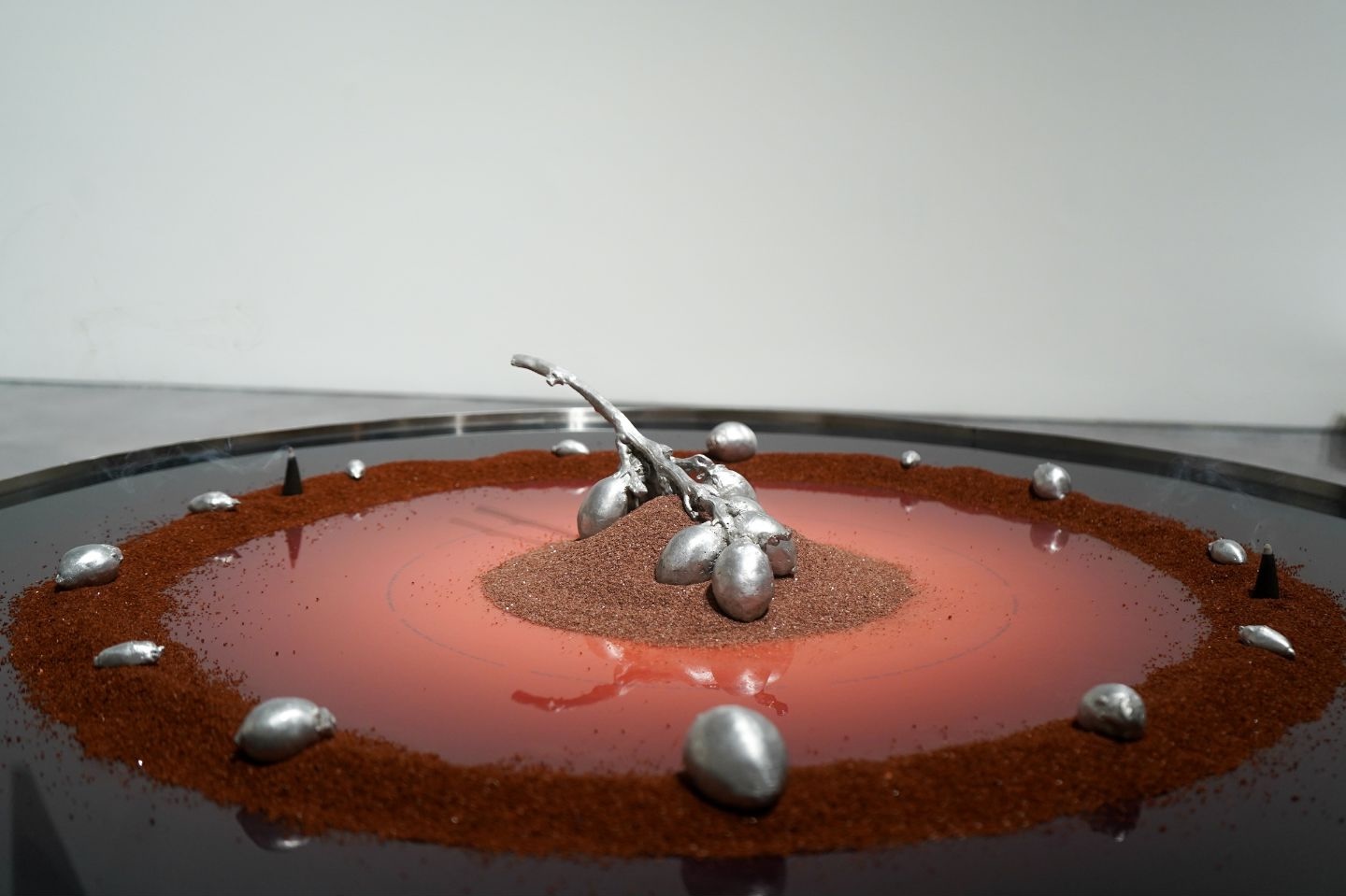
Natalie Sasi Organ
Hold your feet to the fire
2026, stainless steel, aluminium, UV print perspex, glass, chainmail, betel dyed sand, betel dyed cushions, betel nut casting, audio recording, 30 x 126 x 126 cm
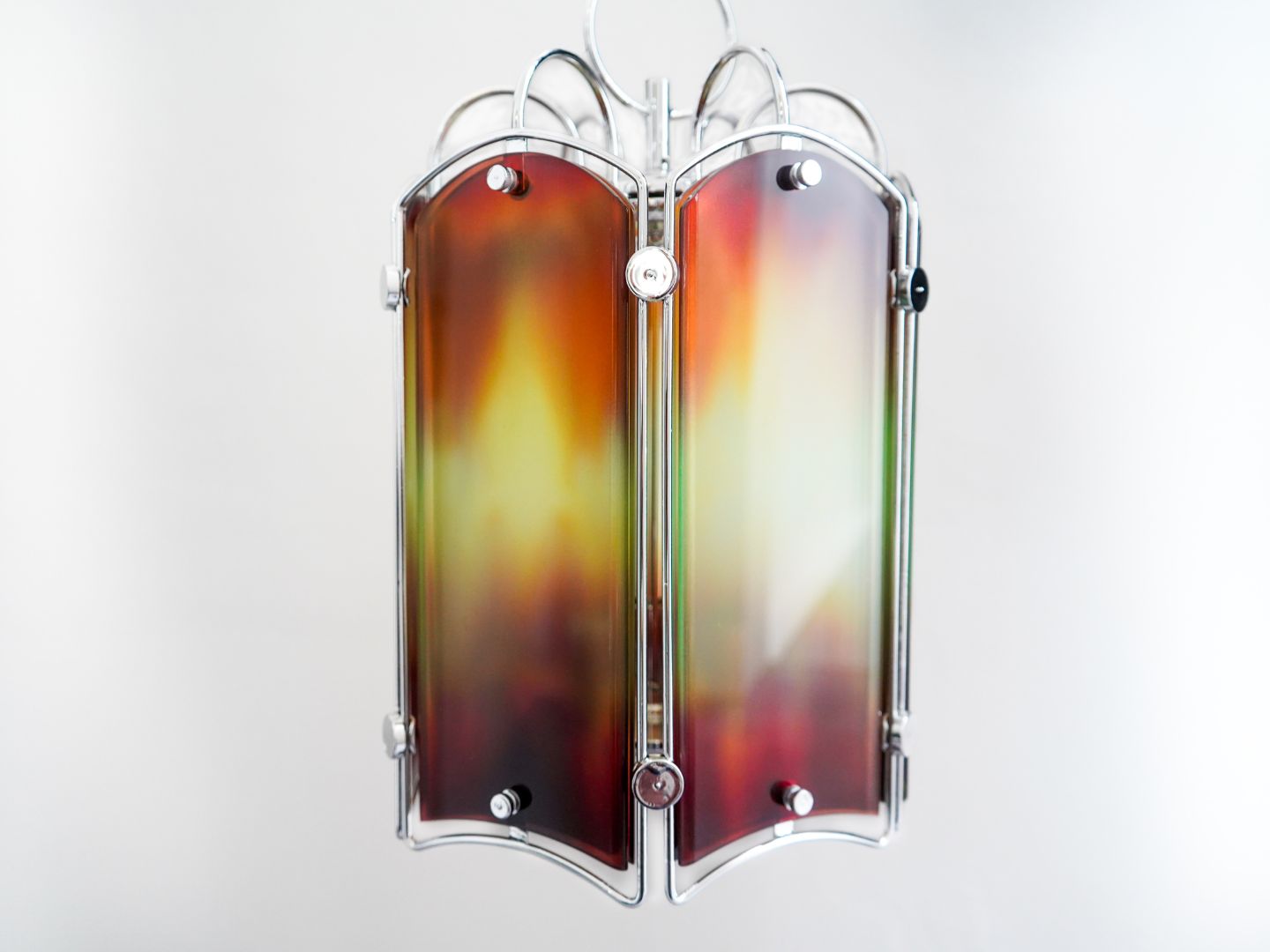
Natalie Sasi Organ
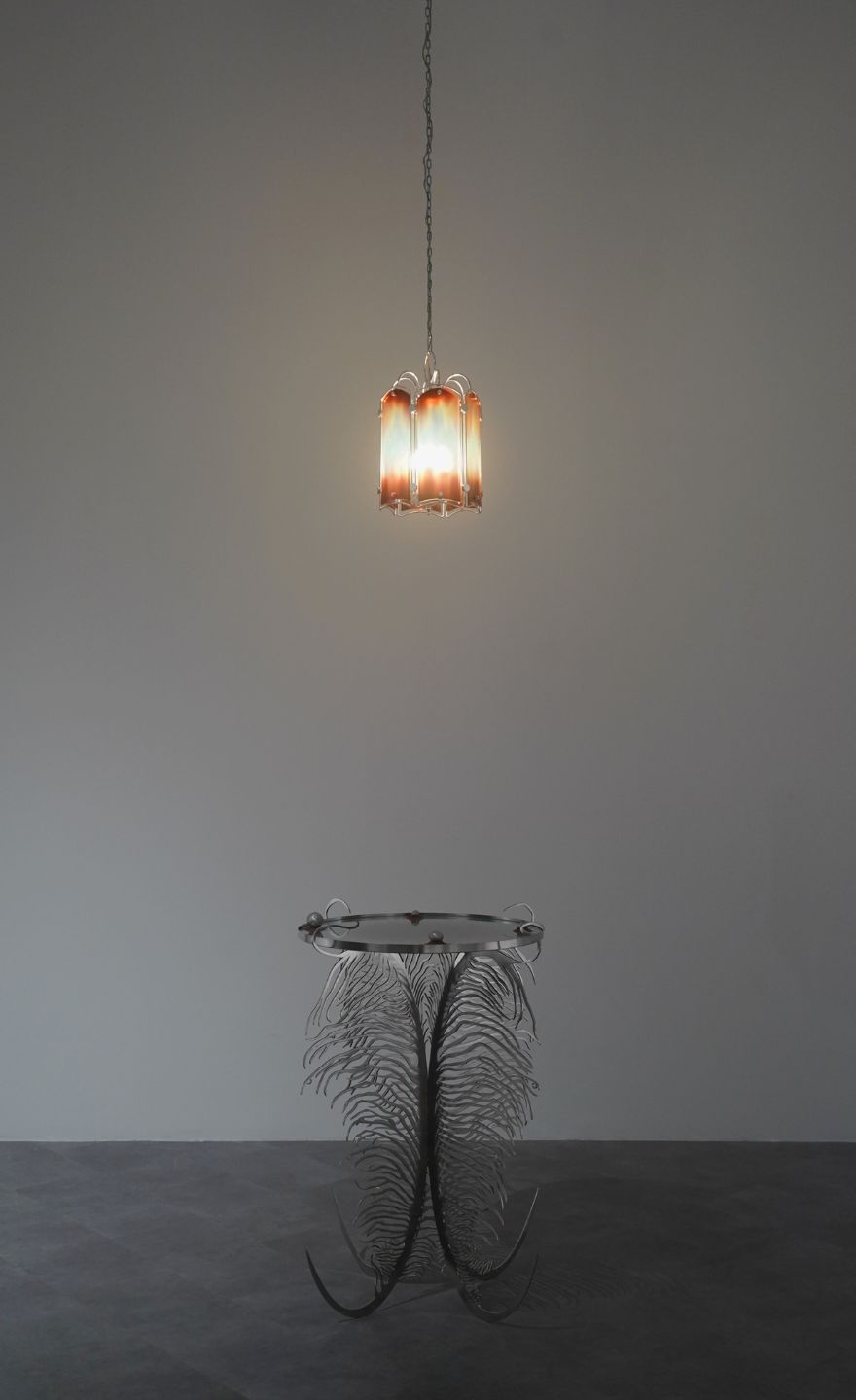
Hush between flames
2026, UV print on acrylic, metal chain, and chandelier, 45 x 27 x 27 cm
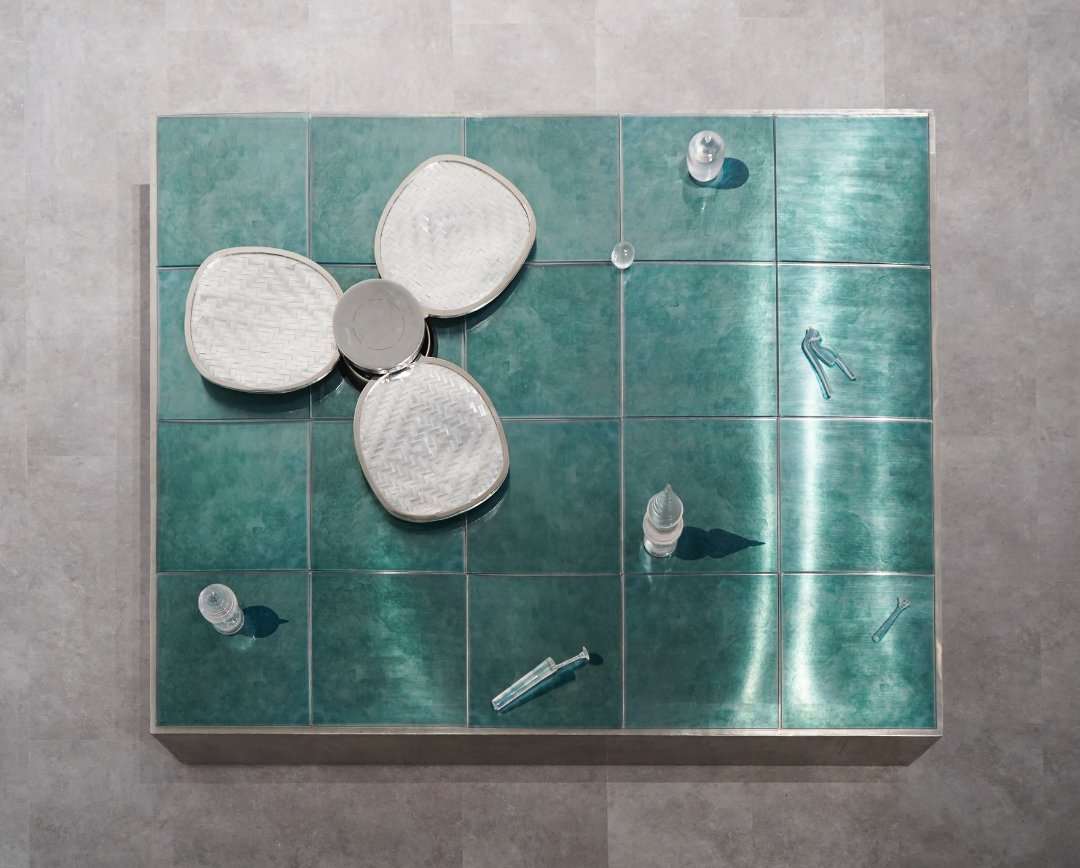
Natalie Sasi Organ
I learned fire at her knee
2026, metal platform, UV print perspex. resin, kinetic stainless steel fan, 42 x 123 x 153 cm
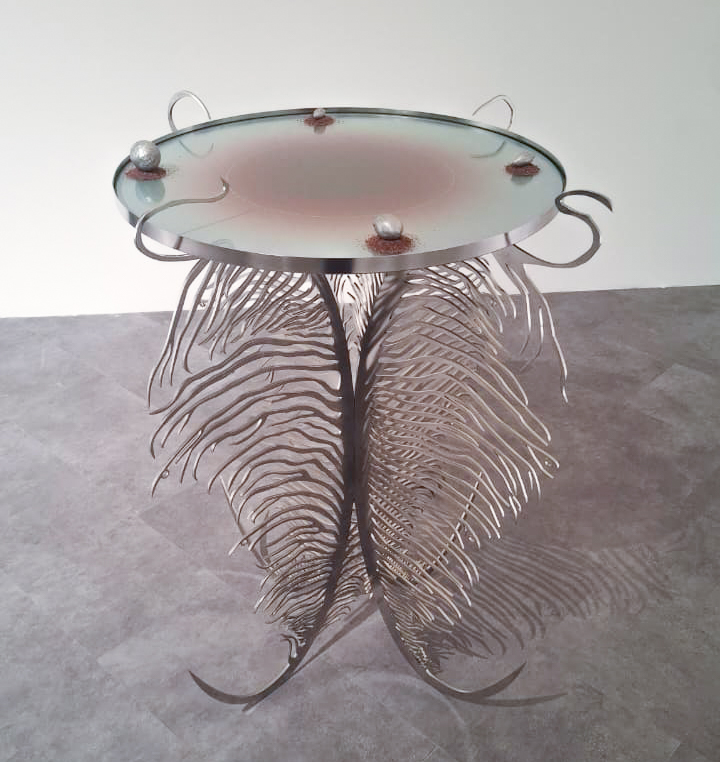
Natalie Sasi Organ
A wound that remembers how to flower
2026, stainless steel, UV print perspex, glass, chainmail, betel nut dyed sand, betel nut casting, 100 x 81 x 75 cm
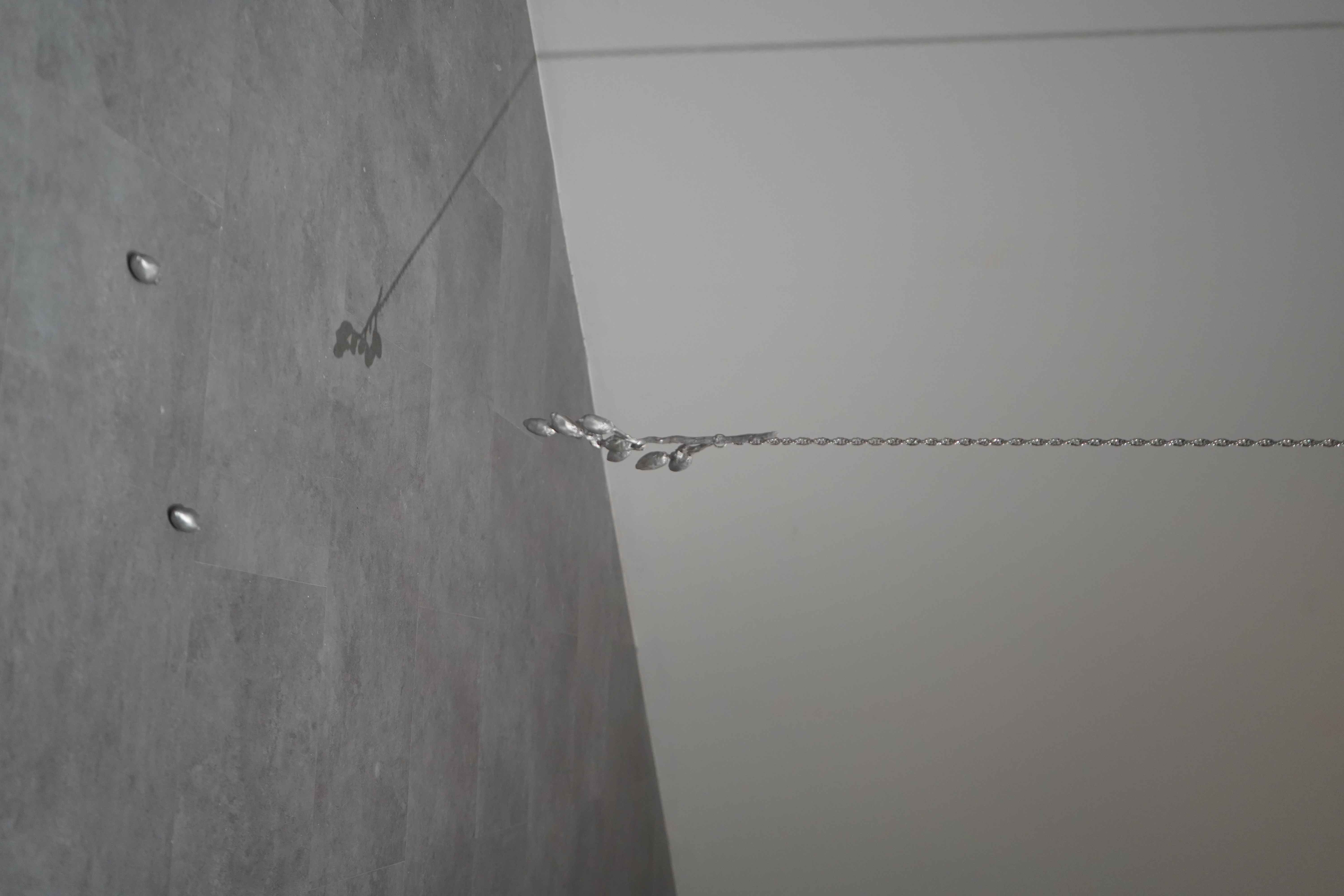
Natalie Sasi Organ
Husk softening at dusk
2026, aluminium casting, chainmail, 390 x 10 x 5 cm
Media Links
| Natalie Sasi Organ dan Pameran Perdananya, “She Lit My Mouth Without a Word” | Dewi Magazine | Read |
| She lit my mouth without a word | AroundAround | Read |
| She lit my mouth without a word by Natalie Sasi Organ | TQPR | Read |
| Where Memory and Illusion Take Root: Natalie Sasi Organ and Adytria Negara at ara contemporary | Grafis Masa Kini | Read |
| ara contemporary Persembahkan Pameran Tunggal Natalie Sasi Organ & Adytria Negara | seputarcibubur.com | Read |
| Dua Praktik Berbeda Beresonansi a la Natalie dan Adytria di ara contemporary | Benang.id | Read |
| Kita Terbiasa Melihat, Tapi Tidak Memahami Pameran Ini Menampar Cara Kita Menilai Realitas | Haroem | Read |
